Airline Aircraft Art on Postcards

Written by Marvin G. Goldman

From the early days of aviation to the present, many airline postcards have featured artistic expression in promoting destinations and highlighting their aircraft.  This article covers a selection of aircraft art postcards from a variety of airlines and artists.
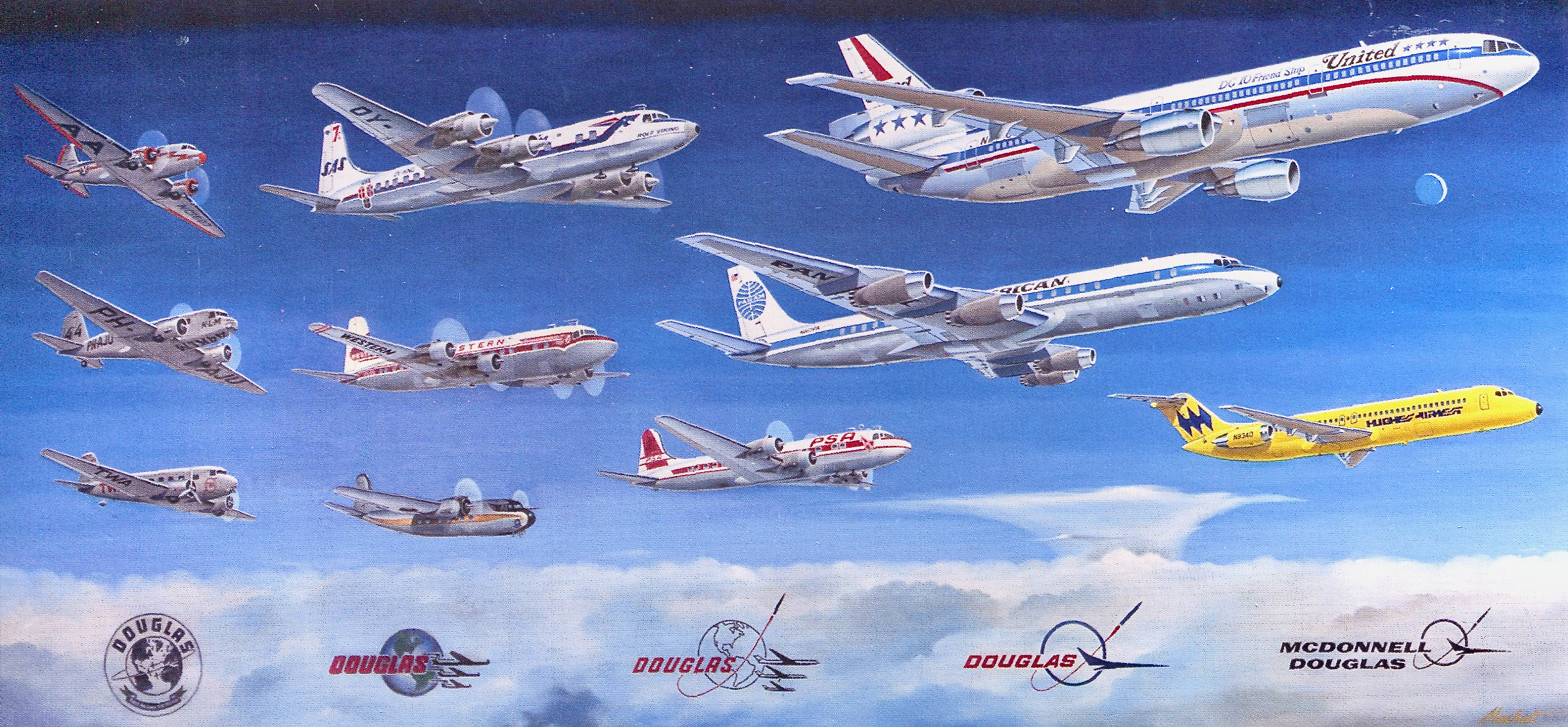
Postcard showing a mural by aviation artist Mike Machat, dedicated in 2012, at the Museum of Flying, Santa Monica, California. The mural is 20 feet wide (6.1m) and depicts Douglas Aircraft types from the DC-1 to the DC-10. Oversize postcard, issued by the Museum of Flying.

Mike Machat is one of the world’s leading aviation artists and was the first president of The American Society of Aviation Artists.  He is well known to participants in the World Airline Historical Society and related Airliners International shows.  Mike was the keynote speaker at the Airliners International 2014 LAX banquet, and hosted an airline art exhibition at the AI 1992 show.  He has illustrated numerous airline books, including several written by Ron Davies, and authored ‘The Art of Mike Machat: Painting Aviation’s Legends’ (Specialty Press, 2016).  His airline art also appears on several other postcards, including the following:
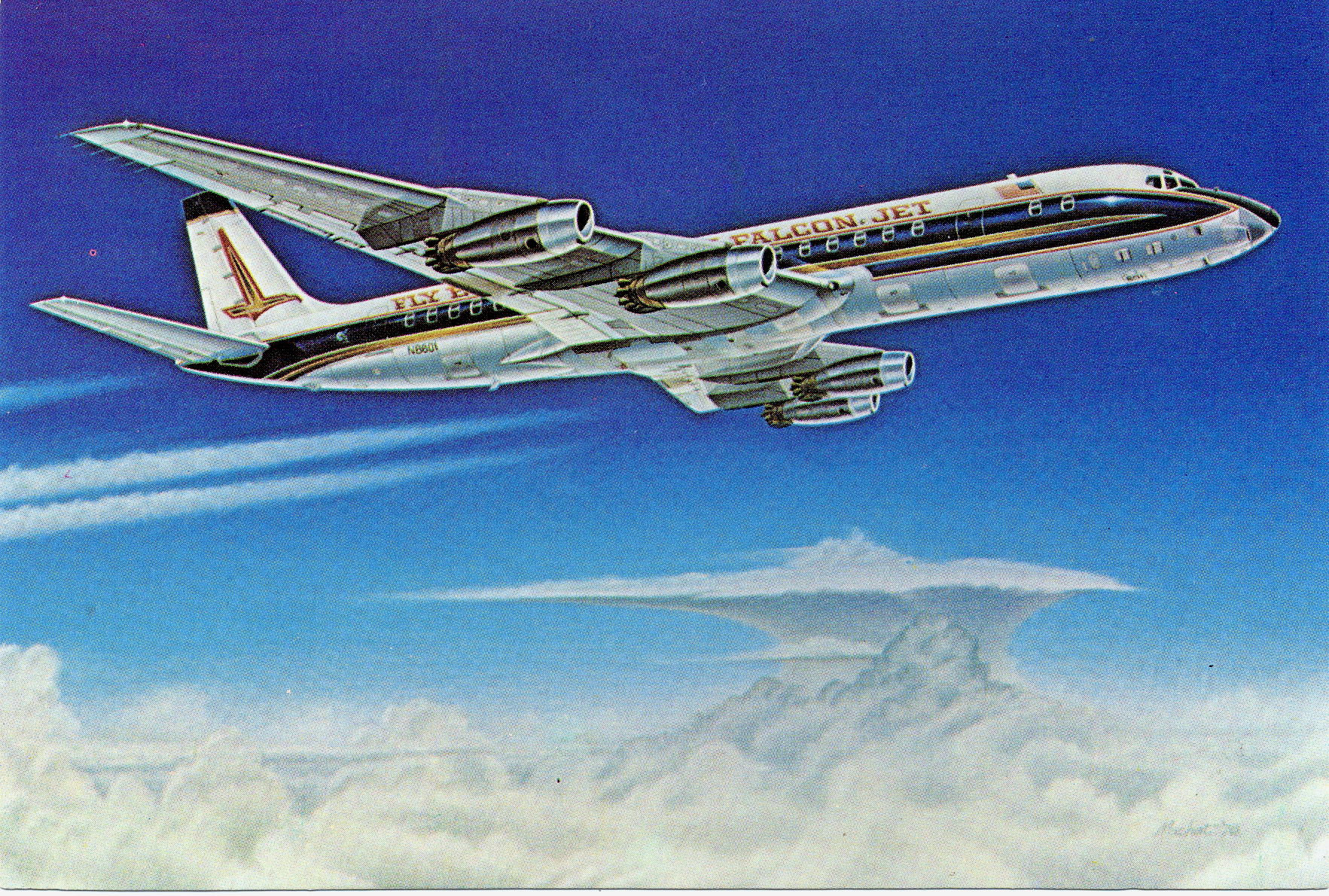
Eastern Airlines Douglas DC-8-21 N1801.  Aviation World card AACS-1.  Artist: Mike Machat, California, U.S.
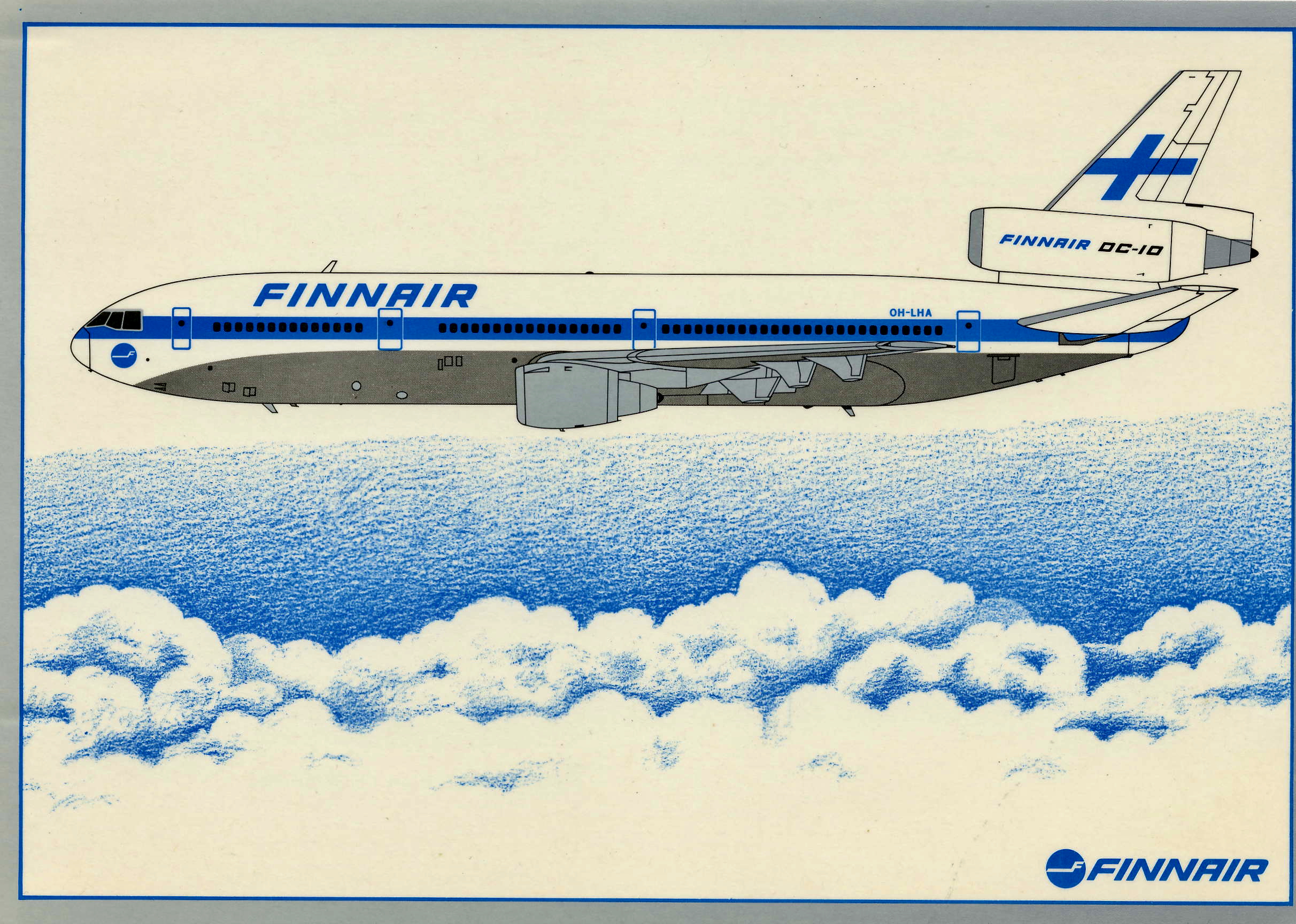
Finnair Douglas DC-10-30.  Airline issue, oversize postcard.  Part of a series of 13 postcards of different aircraft types flown by Finnair, each illustrated by Mike Machat.

Let’s turn now to a selection of aircraft types on postcard art, progressing from older to newer aircraft and featuring different airlines and artists.
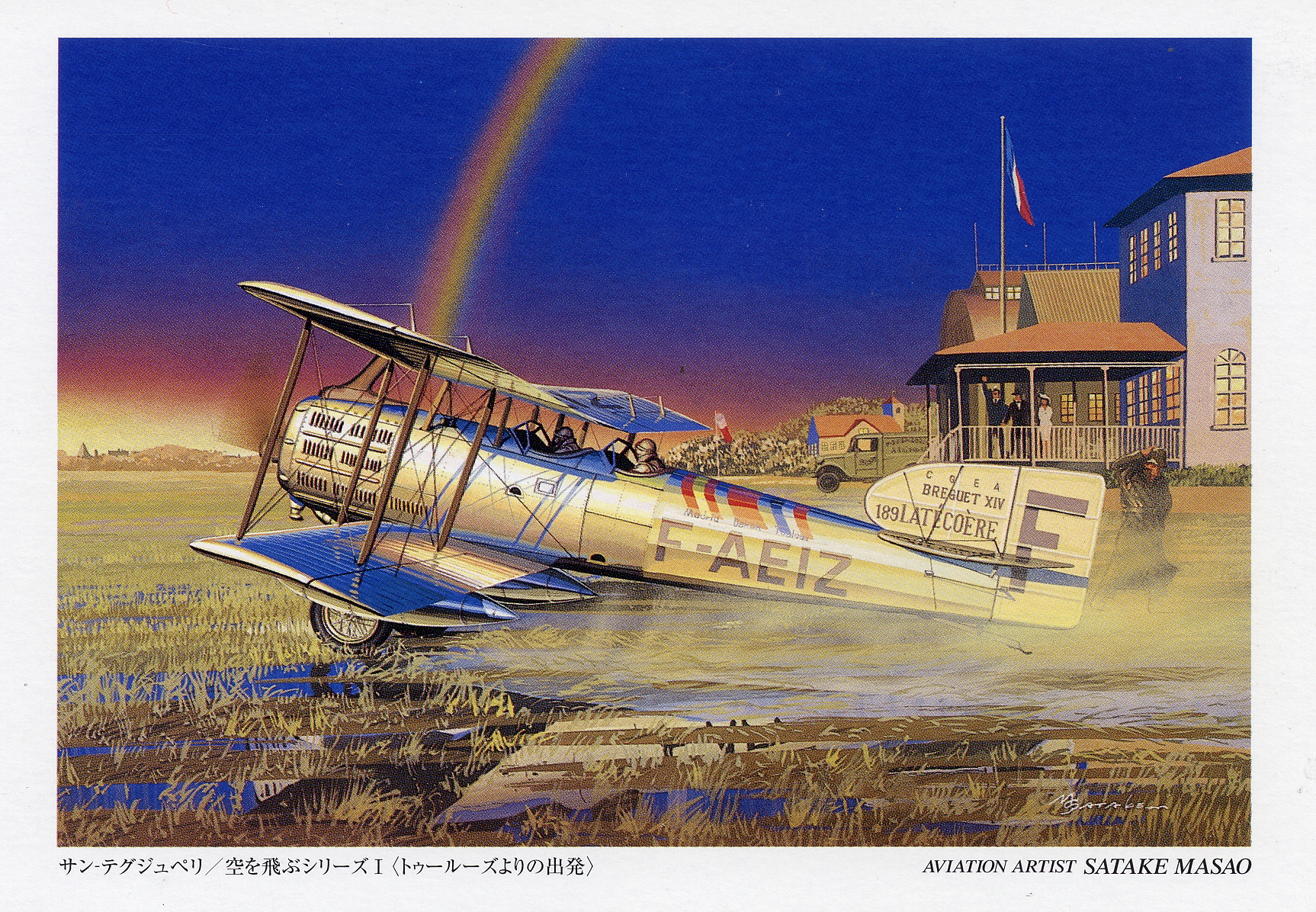
Compagnie des Grands Express Aeriens Latécoère Breguet XIV F-AEIZ.  Publisher Shinsai-do.  Artist: Masao Satake, Japan.
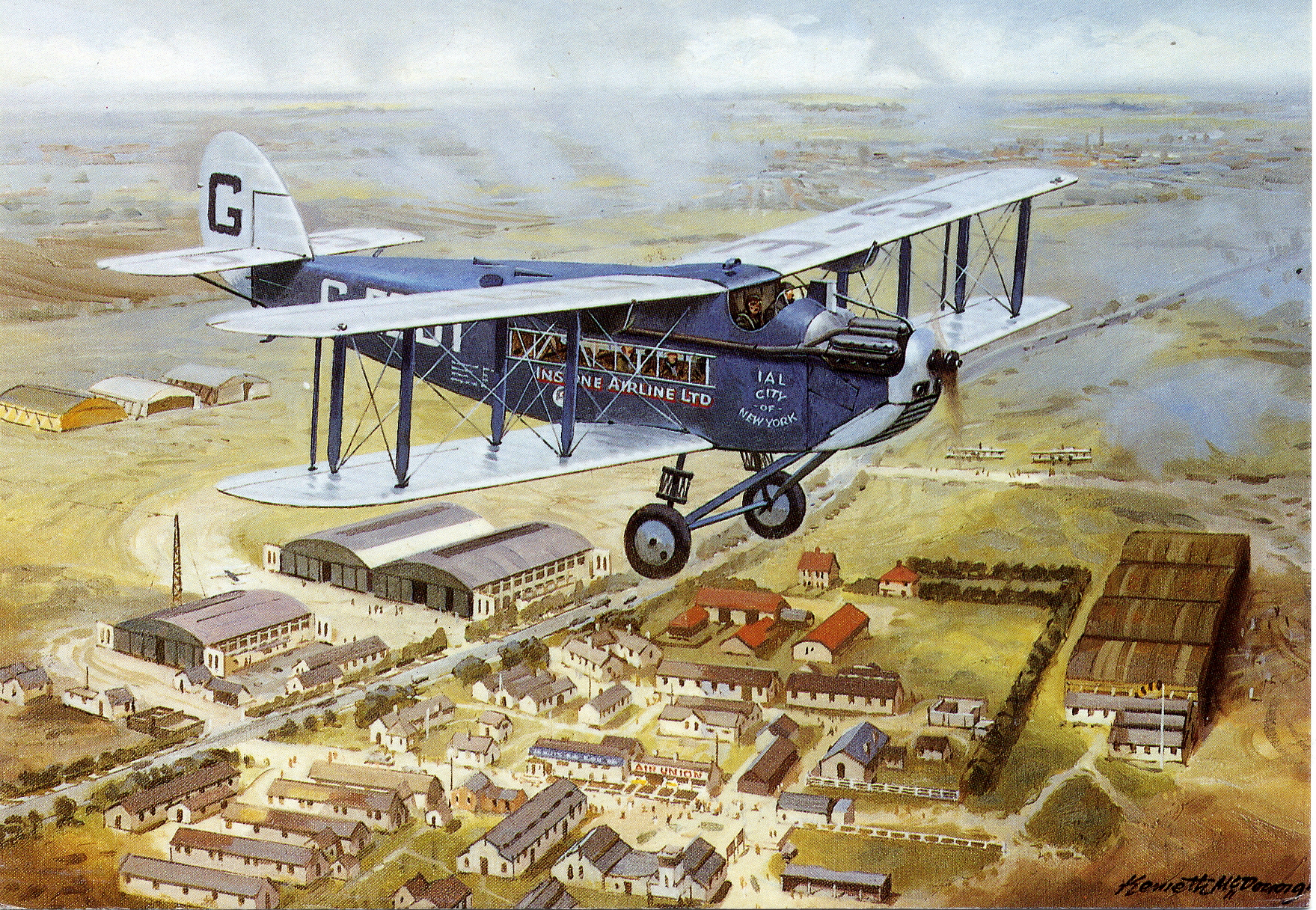
 

Instone Airlines (a predecessor of Imperial Airways) De Havilland 34, flying over Croydon U.K. airport about 1926.  Modern card produced by Croydon Airport Society.  Artist: Kenneth McDonough, U.K.
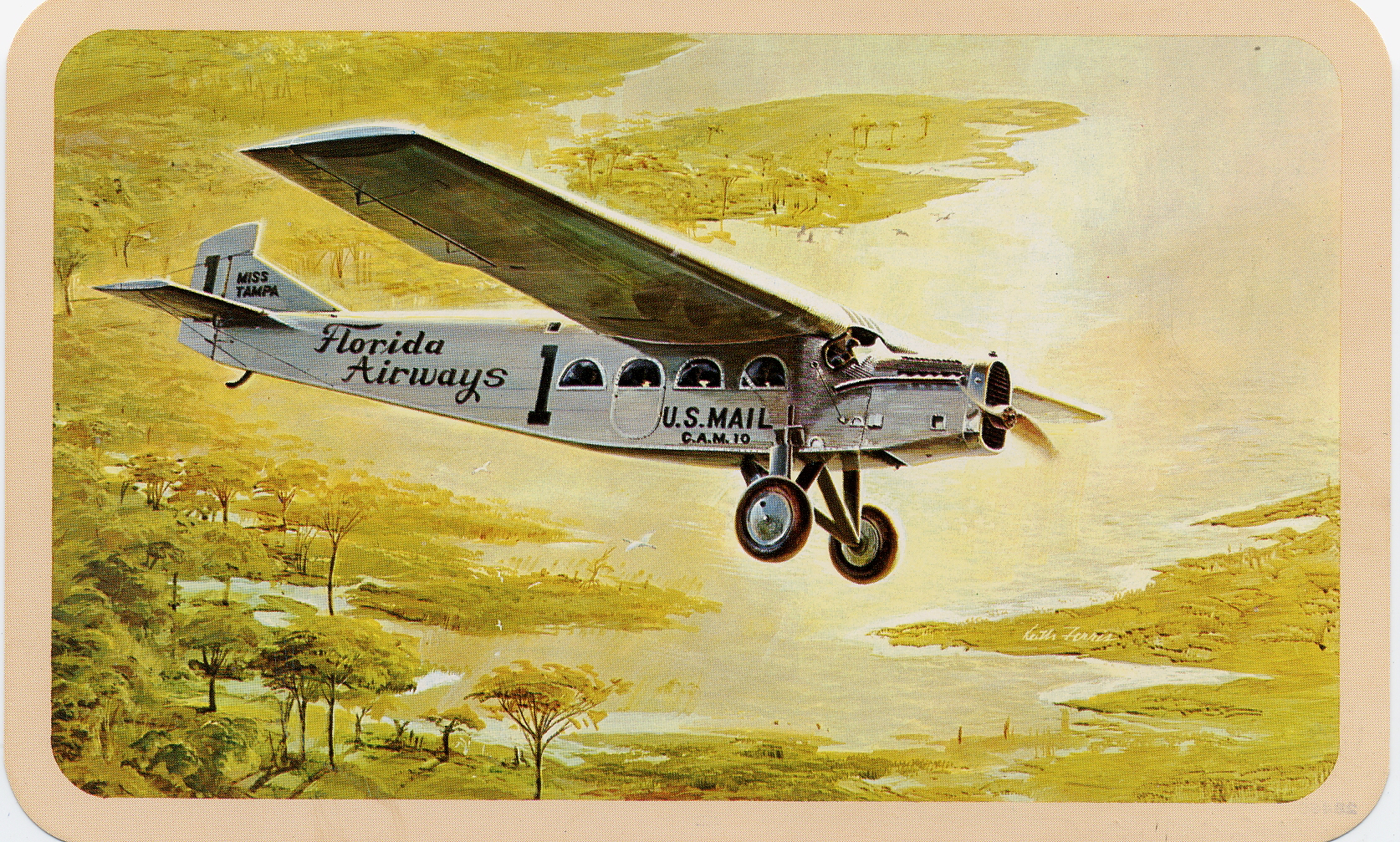
 

Florida Airways (a predecessor of Eastern Air Lines) Stout 2-AT Pullman, ‘Miss Tampa’, flying over the coastline between Fort Myers and Tampa, Florida.  #28465.  Artist: Keith Ferris, U.S.  Keith Ferris is a founding member of The American Society of Aviation Artists.
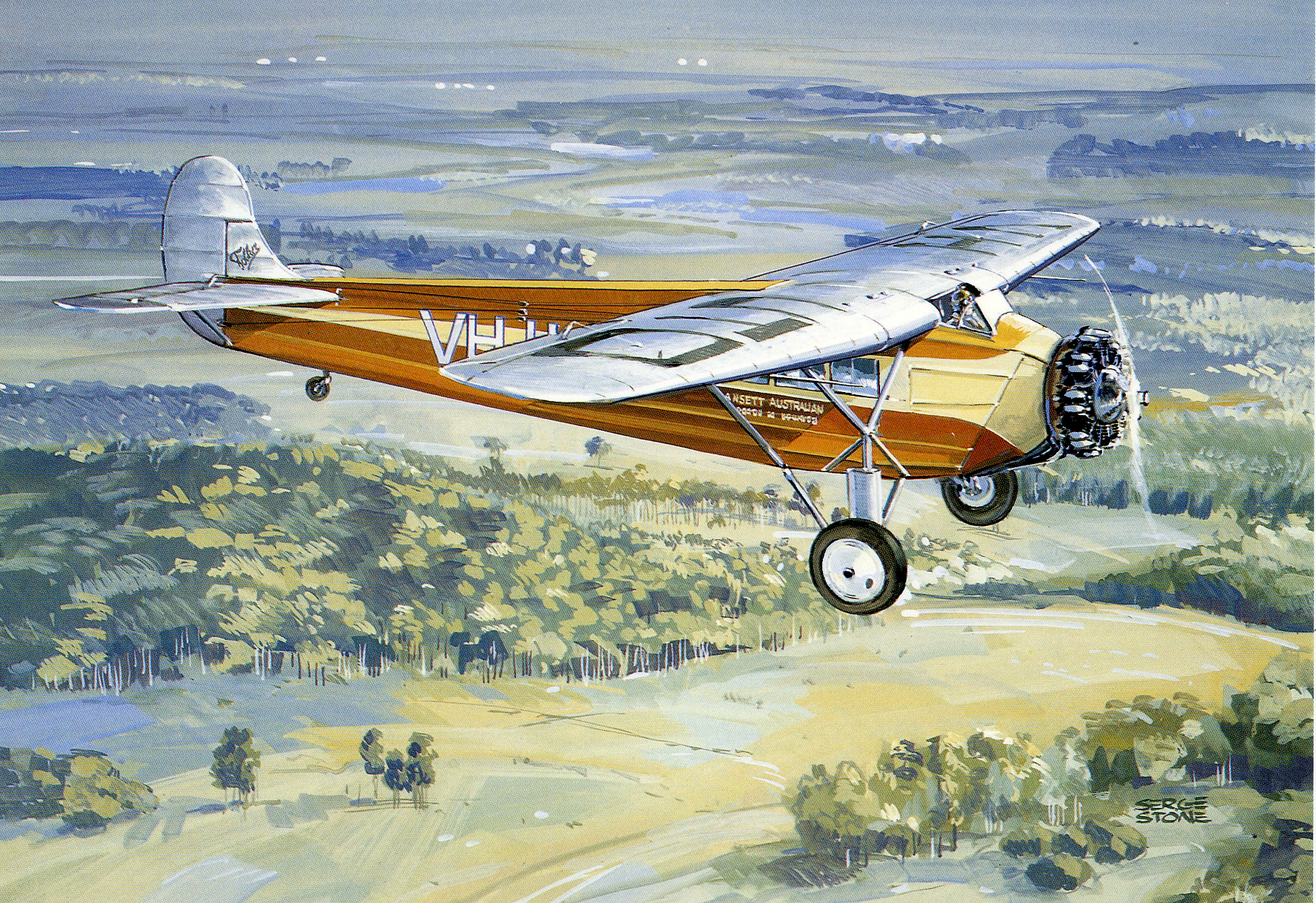
Ansett Australia Fokker Universal VH-UTO.  Issued by Fokker, card B006.  Part of a commission by Fokker to document the complete range of their production.  Artist: Serge Stone of The Netherlands.

Societa Aerea Mediterranea (S.A.M.) Savoia-Marchetti S.71.  Airline issue, about 1931.  Artist: T. Corbella, Italy.
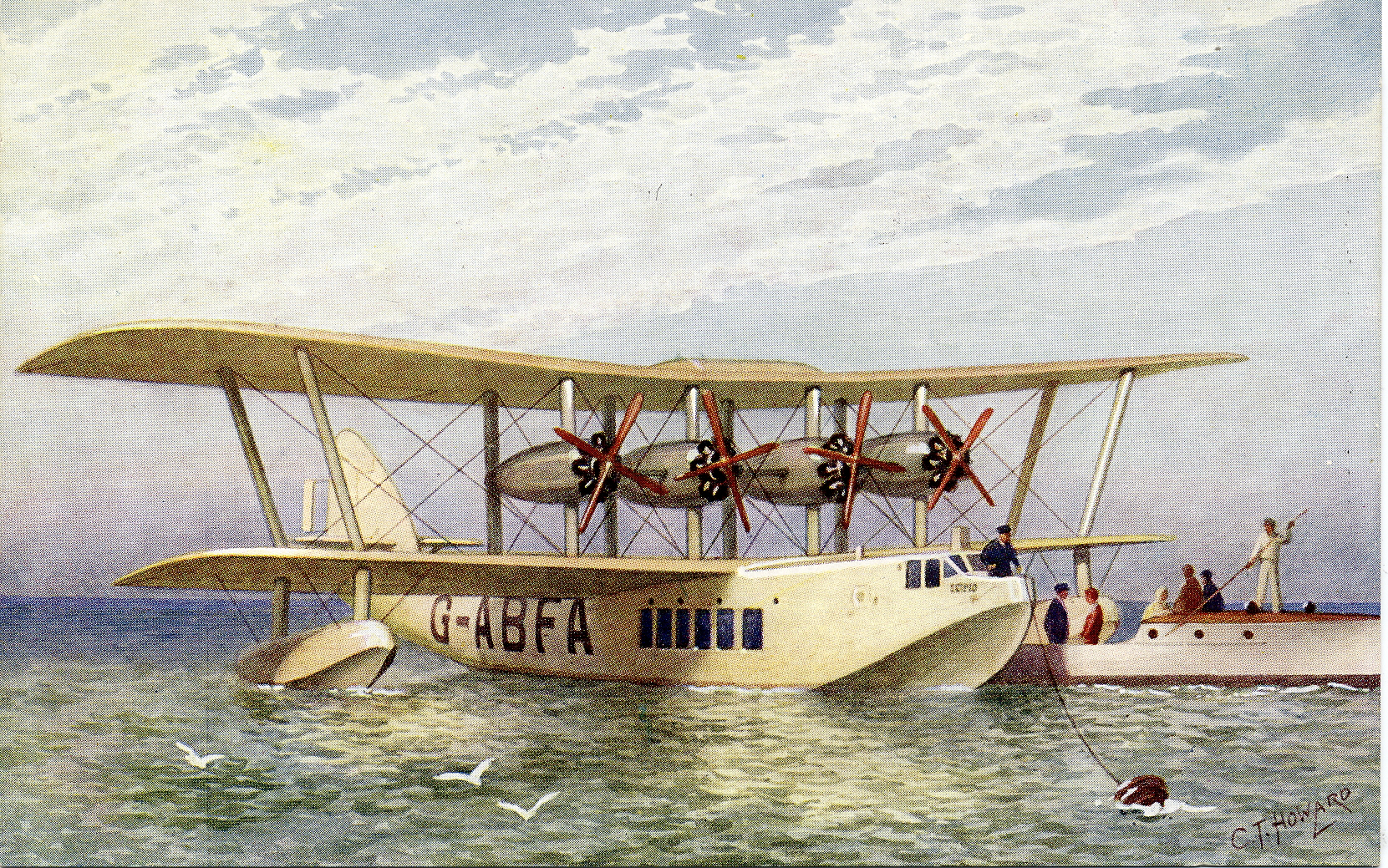
Imperial Airways Short ‘Scipio’.  Published by Salmon, U.K., no. 4106.  Artist: C. T. Howard, U.K.
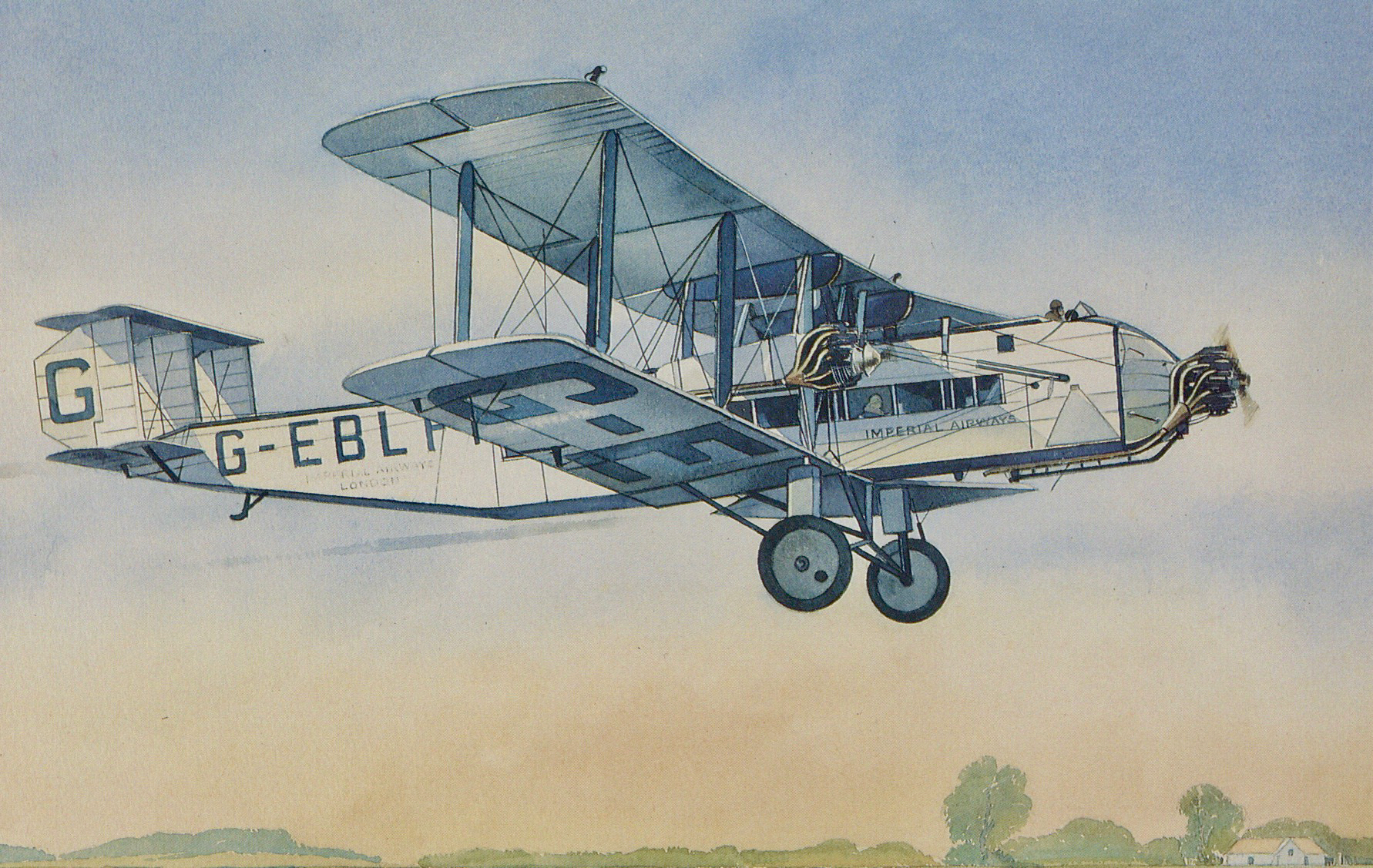
Imperial Airways Armstrong-Whitworth ‘Argosy’, G-EBLF.  Publisher postcard #FSM103666/219.  Artist: Colin Ashford, U.K.  Ashford was a founding member of the Guild of Aviation Artists in the U.K.
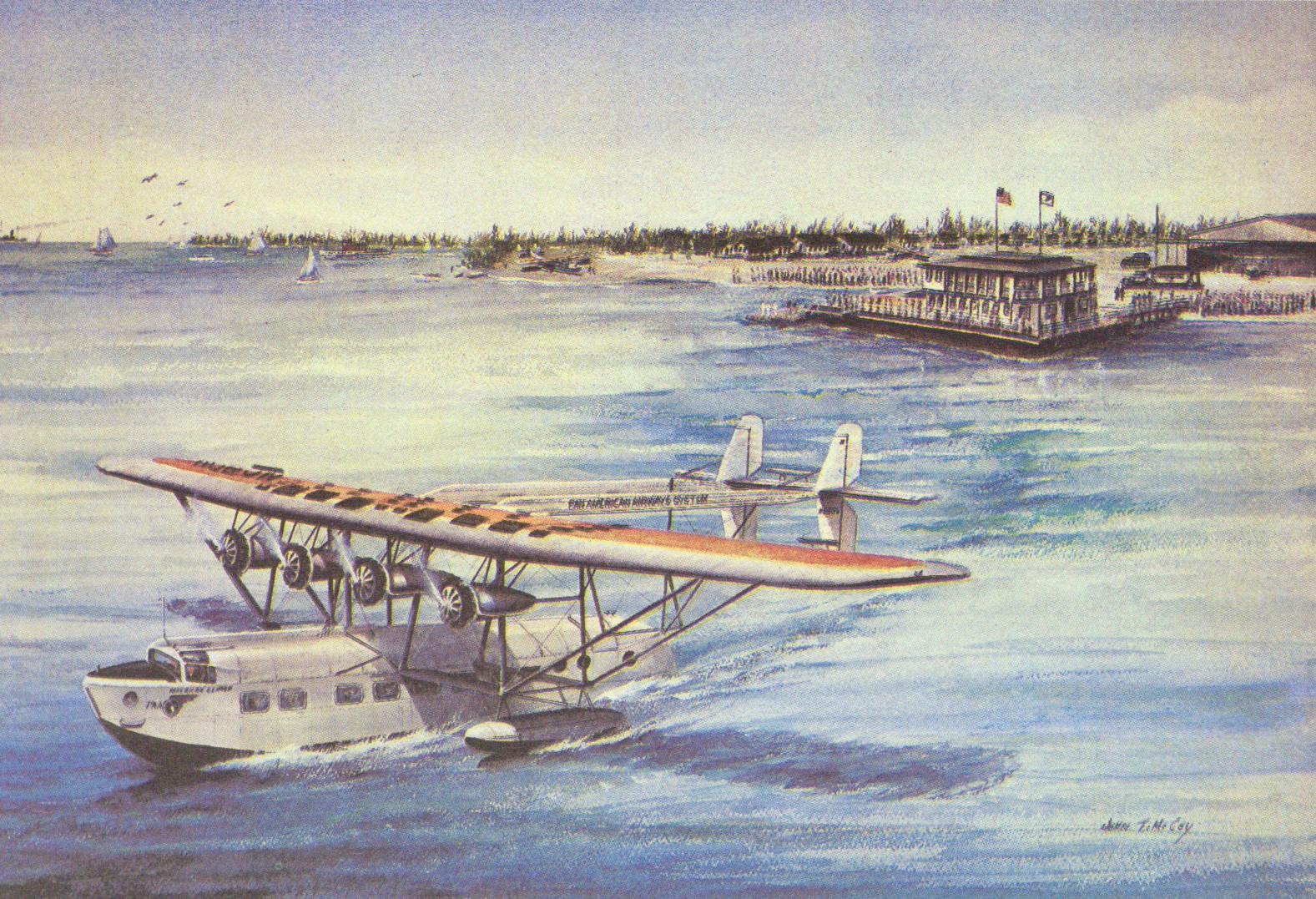
Pan American Sikorsky S-40 ‘American Clipper’ departing Dinner Key, Florida.  Airline issue.  Part of a series of art postcards depicting different Pan Am aircraft.  Artist: John T. McCoy, U.S.

LOT Polish Airlines Lockheed L-14H Super Electra SP-AYB.  Airline issue.  Part of a series of art postcards depicting different LOT aircraft.  Artist: Janusz Grabianski, Poland.  Grabiaski was also a noted illustrator of children’s books, and many of his illustrations for LOT postcards include children and pets in the scene.
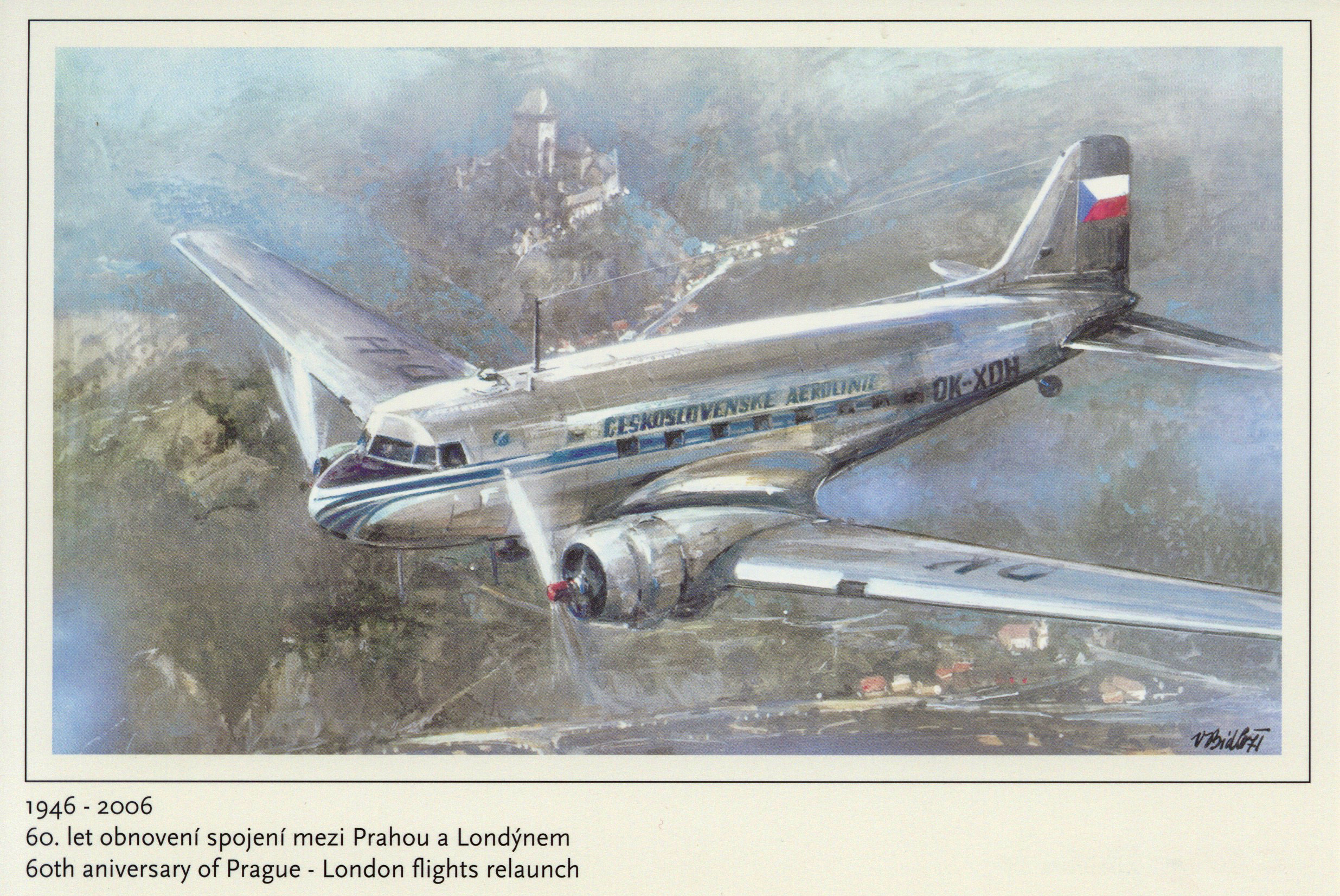
CSA Czech Airlines Douglas DC-3.  Airline issue, oversize postcard.  Artist: Vladimir Bidlo, Czech Republic.  Bidlo has illustrated many of CSA’s aircraft, including a set of 16 continental-size cards with informational backs issued by CSA in 2003 for its 80th anniversary.

EL AL Curtiss Commando C-46.  Airline issue.  Part of a set issued in 1979.  Artist: Danny Shalom, Israel.

MALEV Hungarian Airlines Ilyushin IL-14.  Airline issue.  Part of a series of postcards on MALEV aircraft.  Artist: Akos Bánfalvy, Hungary.
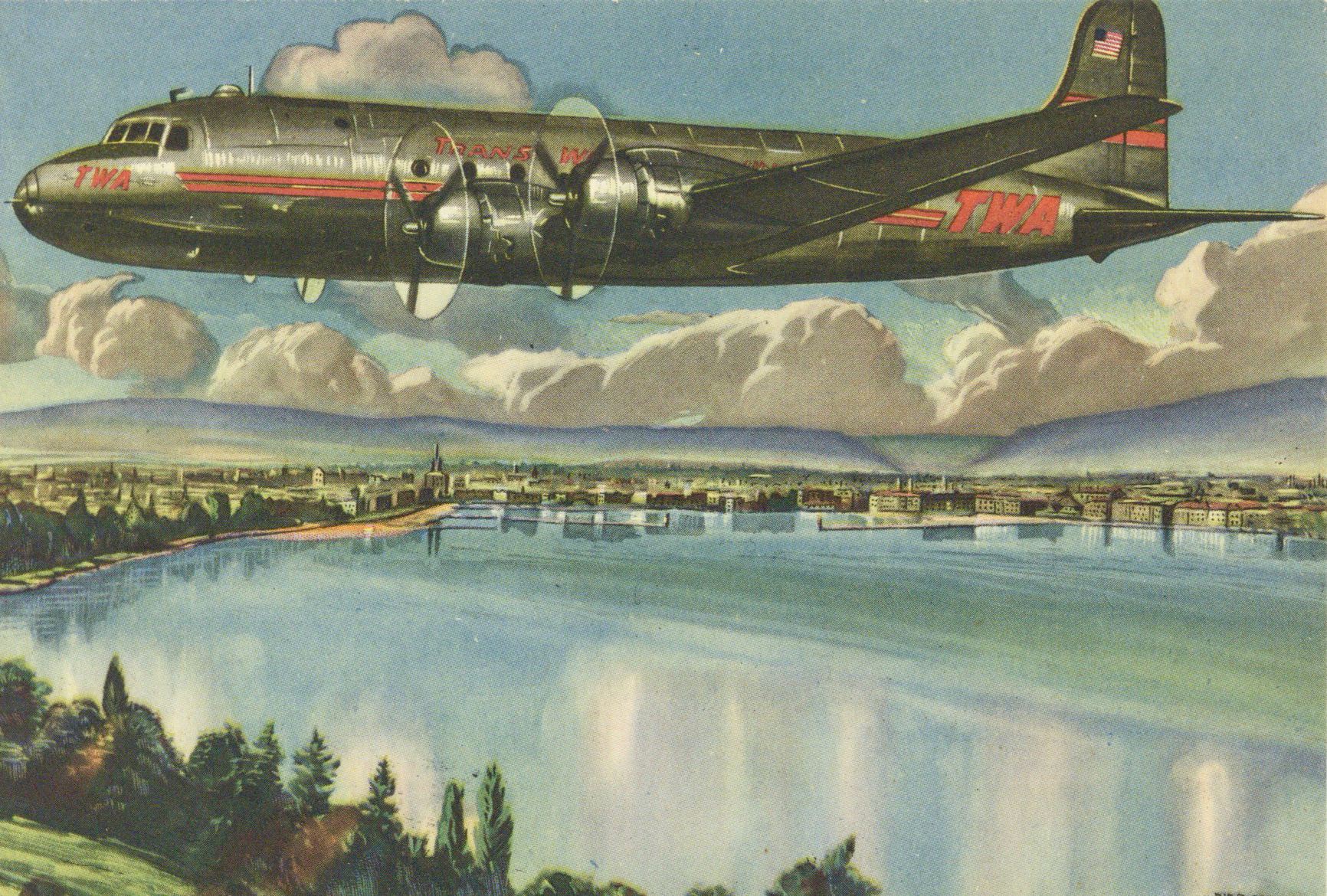
Trans World Airlines (TWA) Douglas DC-4 over Lake Geneva, Switzerland.  Airline issue.  Part of a set of aircraft/destination postcards.  Artist Manlio D’Ercoli, Italy.
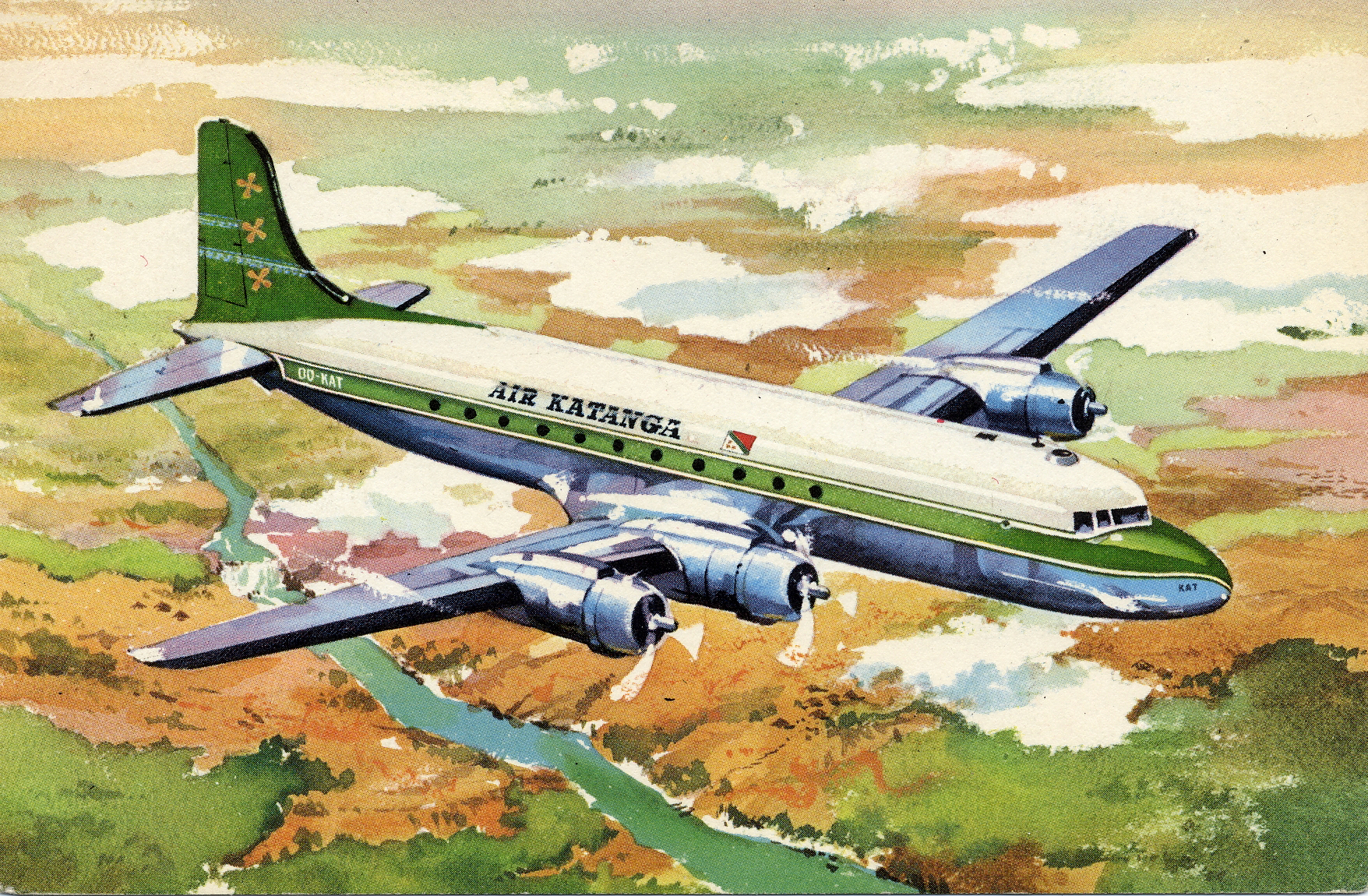
Air Katanga Douglas DC-4 OO-KAT (formerly SABENA OO-ADN).  The back of this rare card has Katanga postage stamps showing the aircraft, postmarked Elisabethville (now Lubumbashi, Dem. Rep. Congo) on 1 August 1961.  Artist unknown.
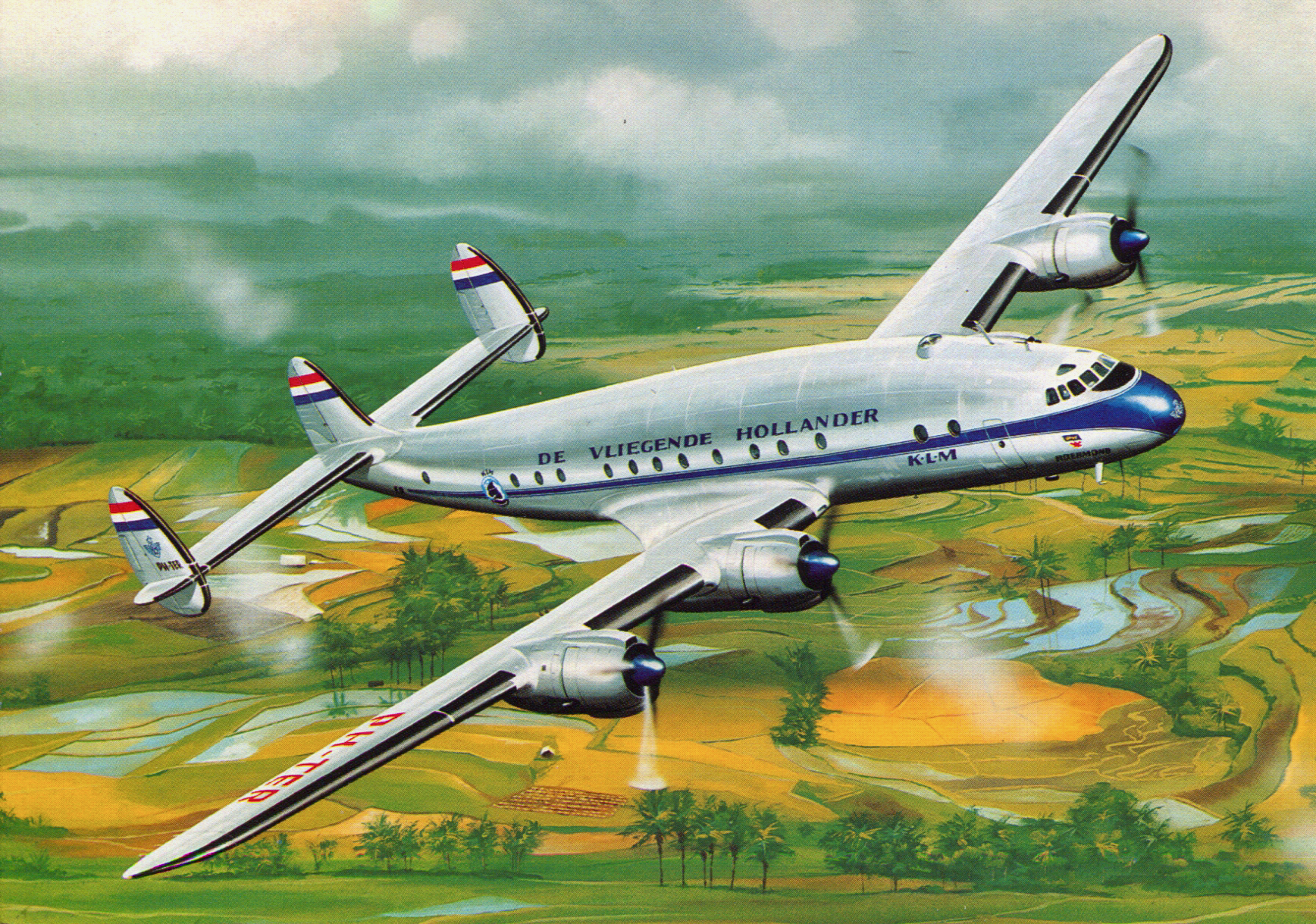
KLM Lockheed L749 Constellation, PH-TER, over Java, Indonesia.  Skyliner postcard no. 10.  Artist Thijs Postma, The Netherlands.  Thijs Postma is one of the most noted aviation artists and has illustrated several aircraft postcards of KLM and Martinair.  He participated in the aviation art exhibition at Airliners International 1992, Orange County, California.
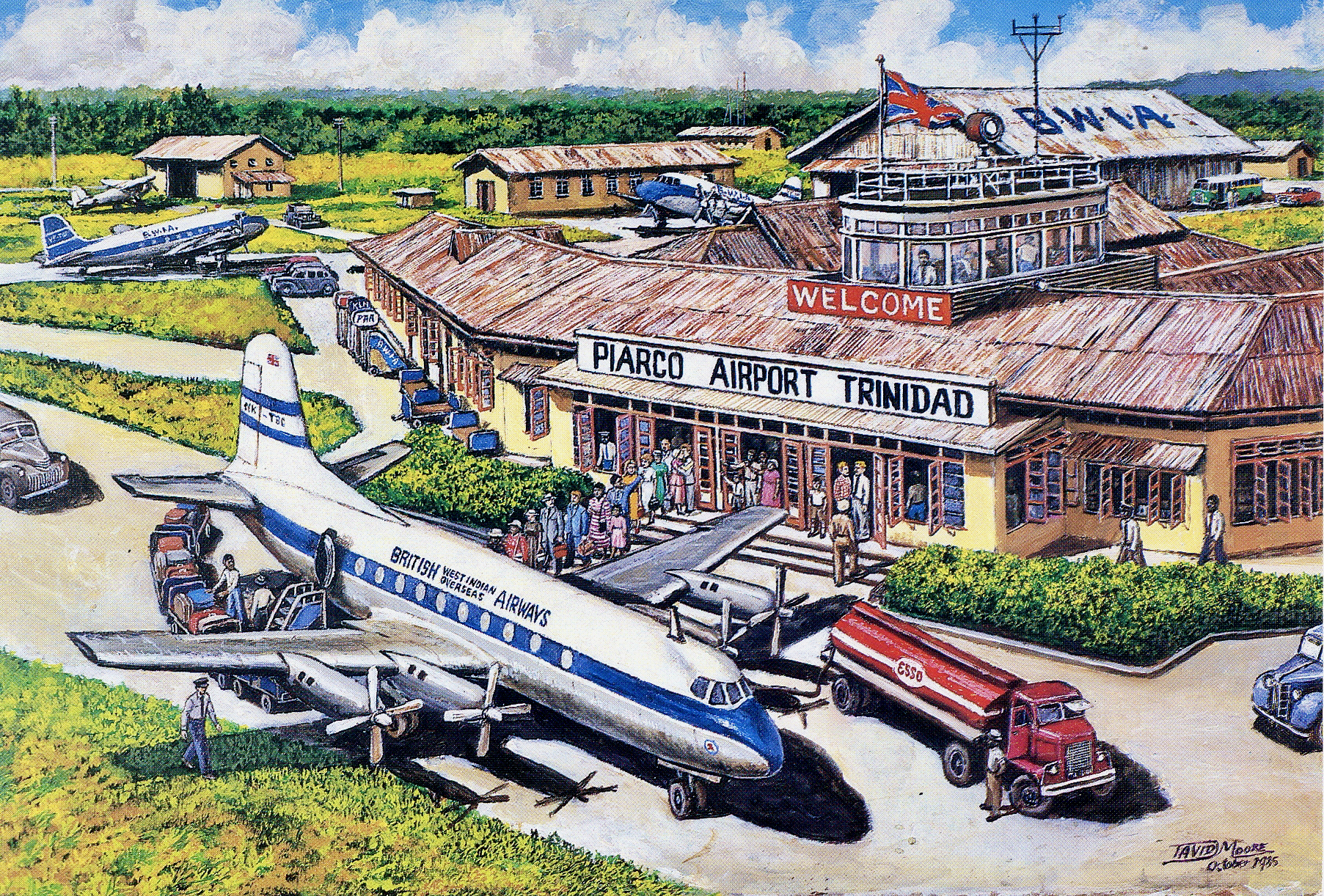
British West Indian Overseas Airways Vickers Viscount at Piarco Airport, Trinidad.  Airline issue by BWIA.  Oversize postcard.  Artist: David Moore, Texas, U.S.
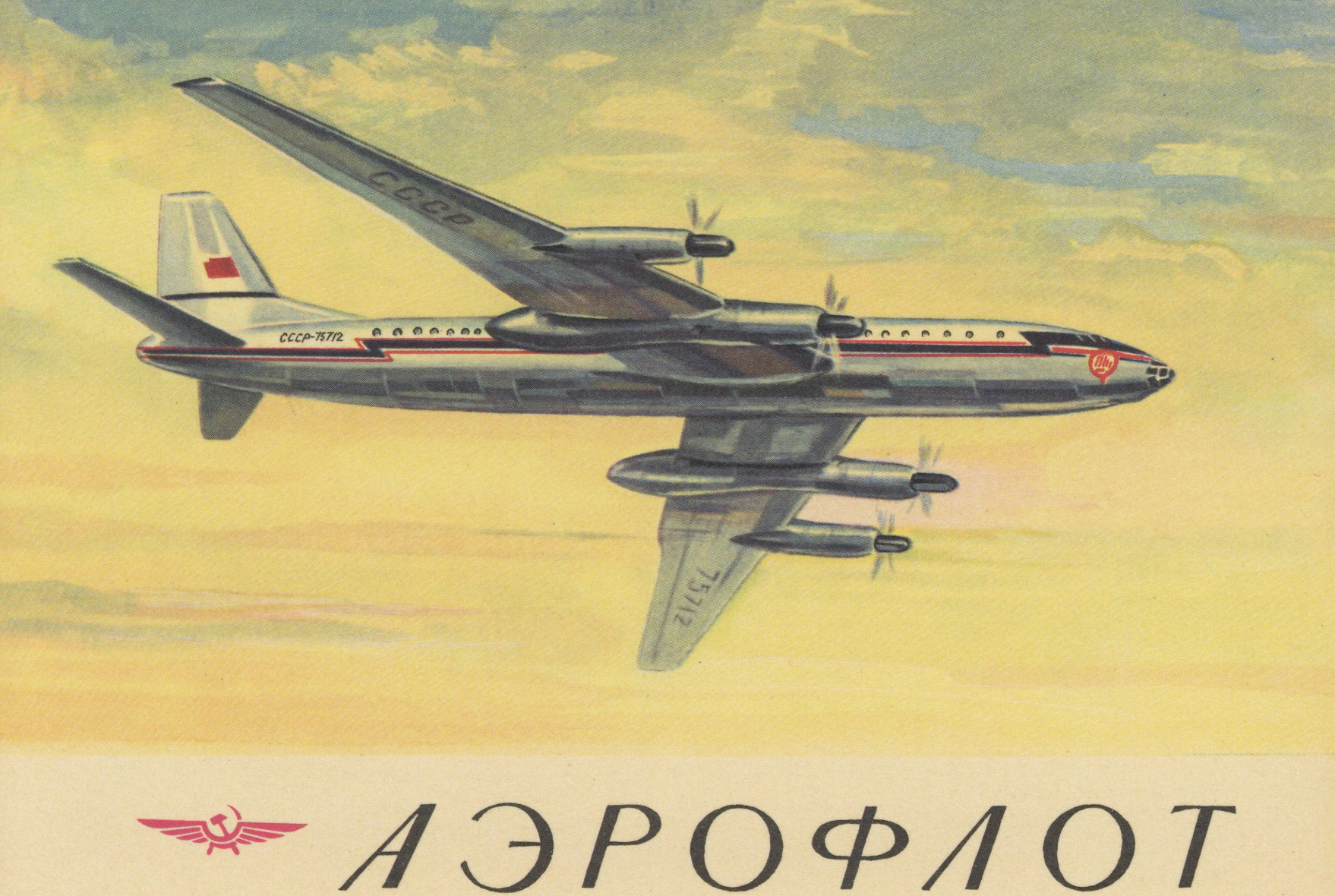
Aeroflot Tupolev TU-114, CCCP-75712. Airline issue. Aeroflot has issued several postcard sets of its aircraft depicted in art form, but the artists are not identified.
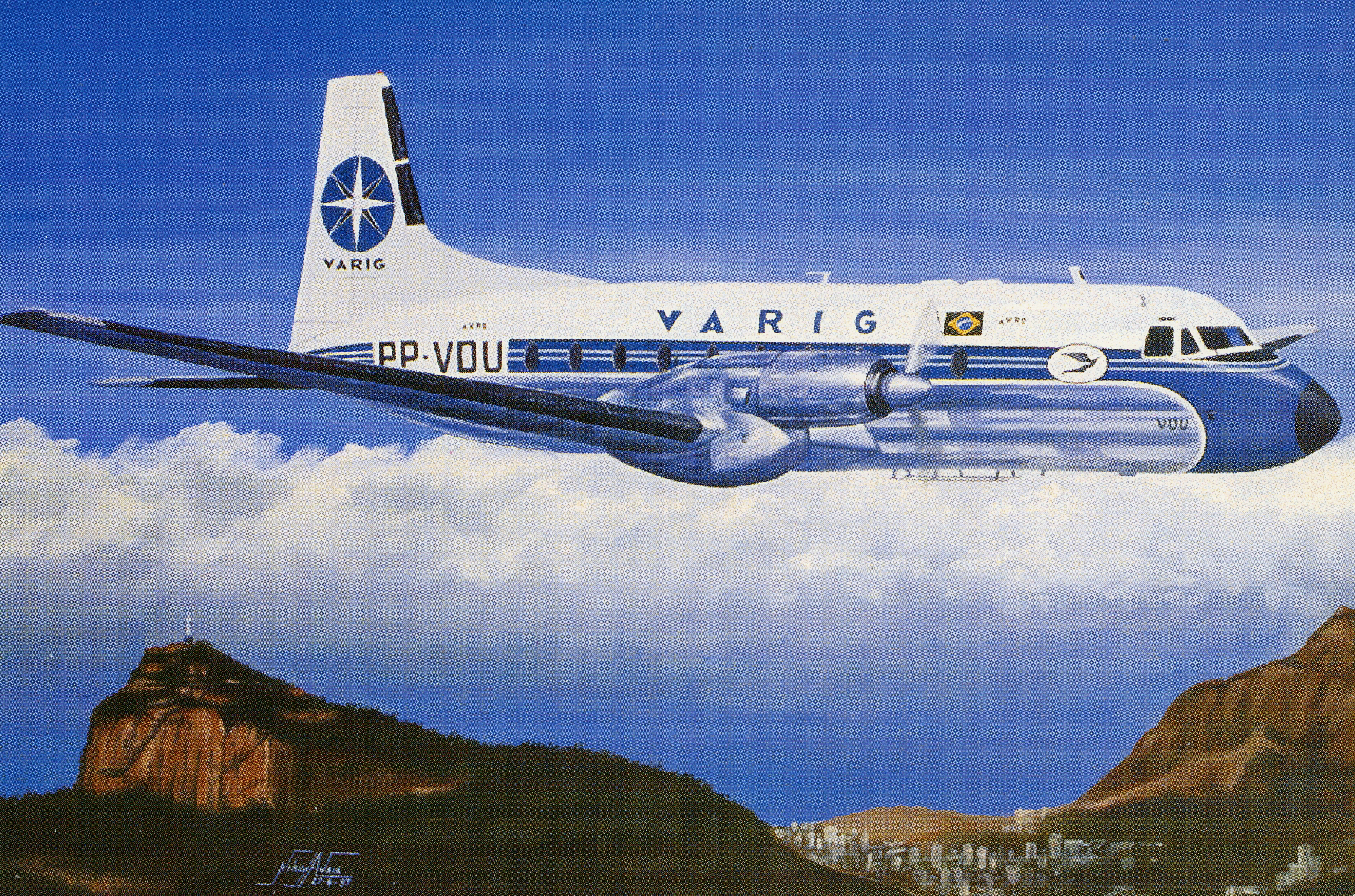
VARIG Hawker Siddeley HS-748 Avro, PP-VDU.  One of a series of aircraft art postcards published by the Artist, Nelson Francisco Anaia, Brazil.
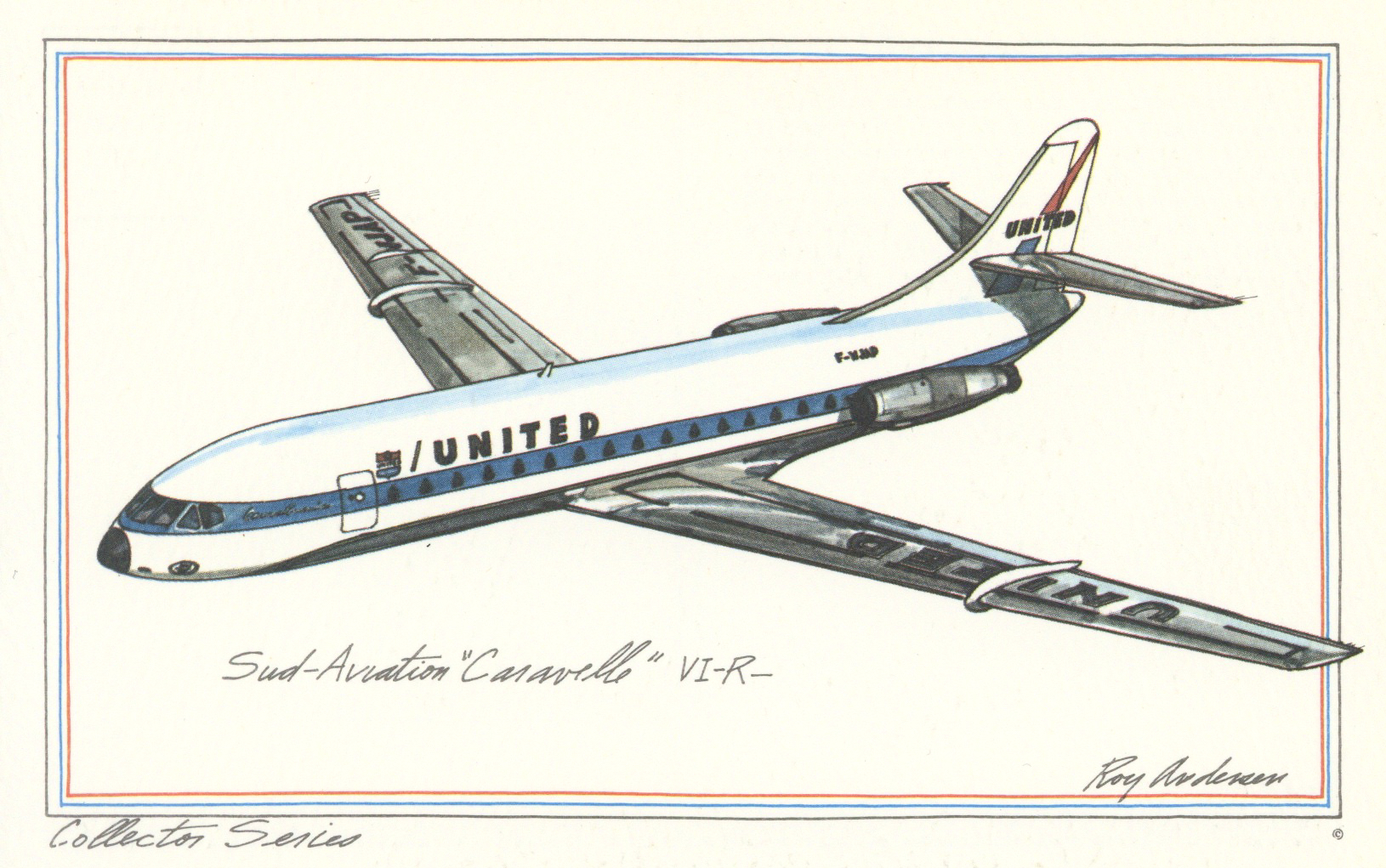
United Airlines Sud-Aviation Caravelle VI-R.  Airline issue and part of a large postcard set of United’s aircraft from inception to the 1970s.  Publisher Johns-Byrne Co., Chicago, early 1970s.  Artist: Roy Anderson, U.S.
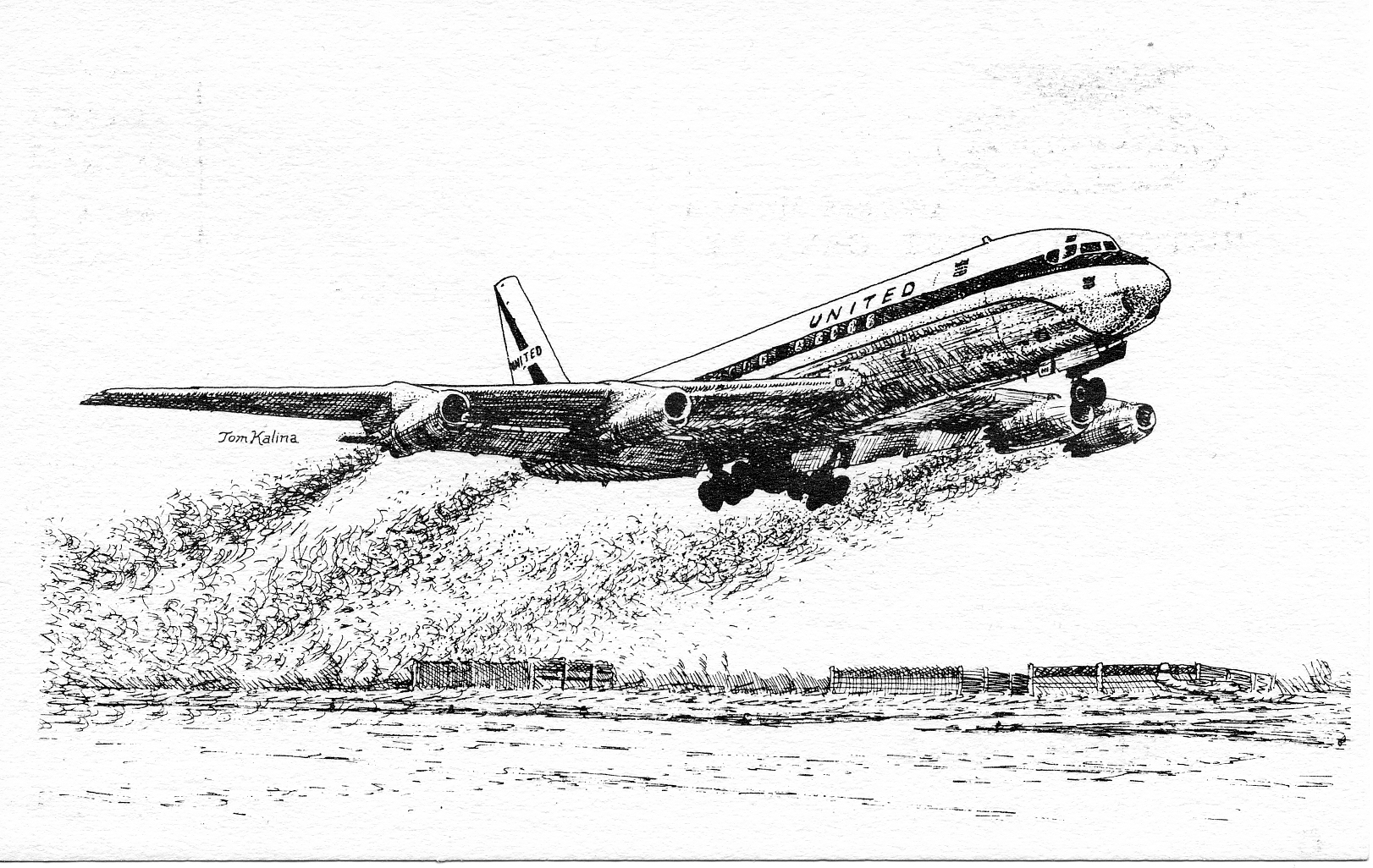
United Airlines Douglas DC-8.  International Airlines Museum Historical Post Card #3.  Artist: Tom Kalina, U.S.  Tom Kalina has provided airliner art for several of the Captain’s Log issues of the World Airline Historical Society and has also been active at Airliners International shows.  He is a member of The American Society of Aviation Artists.

AVIANCA Boeing 720B.  Airline issue, 1969.  Artist: Roberto Sanmartin, Colombia.
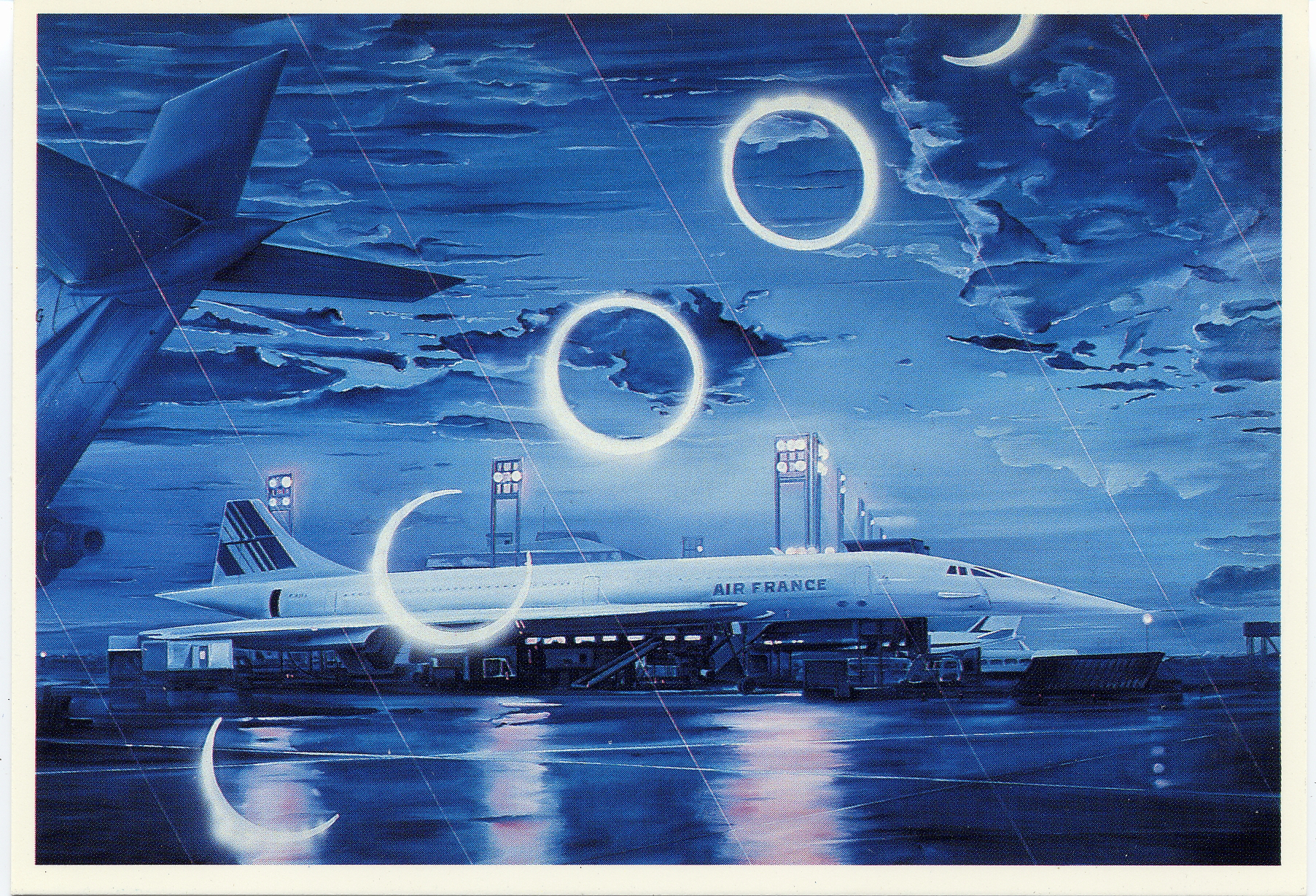
Air France Concorde.  Airline issue.  No. 4 in series interpreting “The Fine Art of Flying”, 1988.  Artist: Jacques Monory, France.
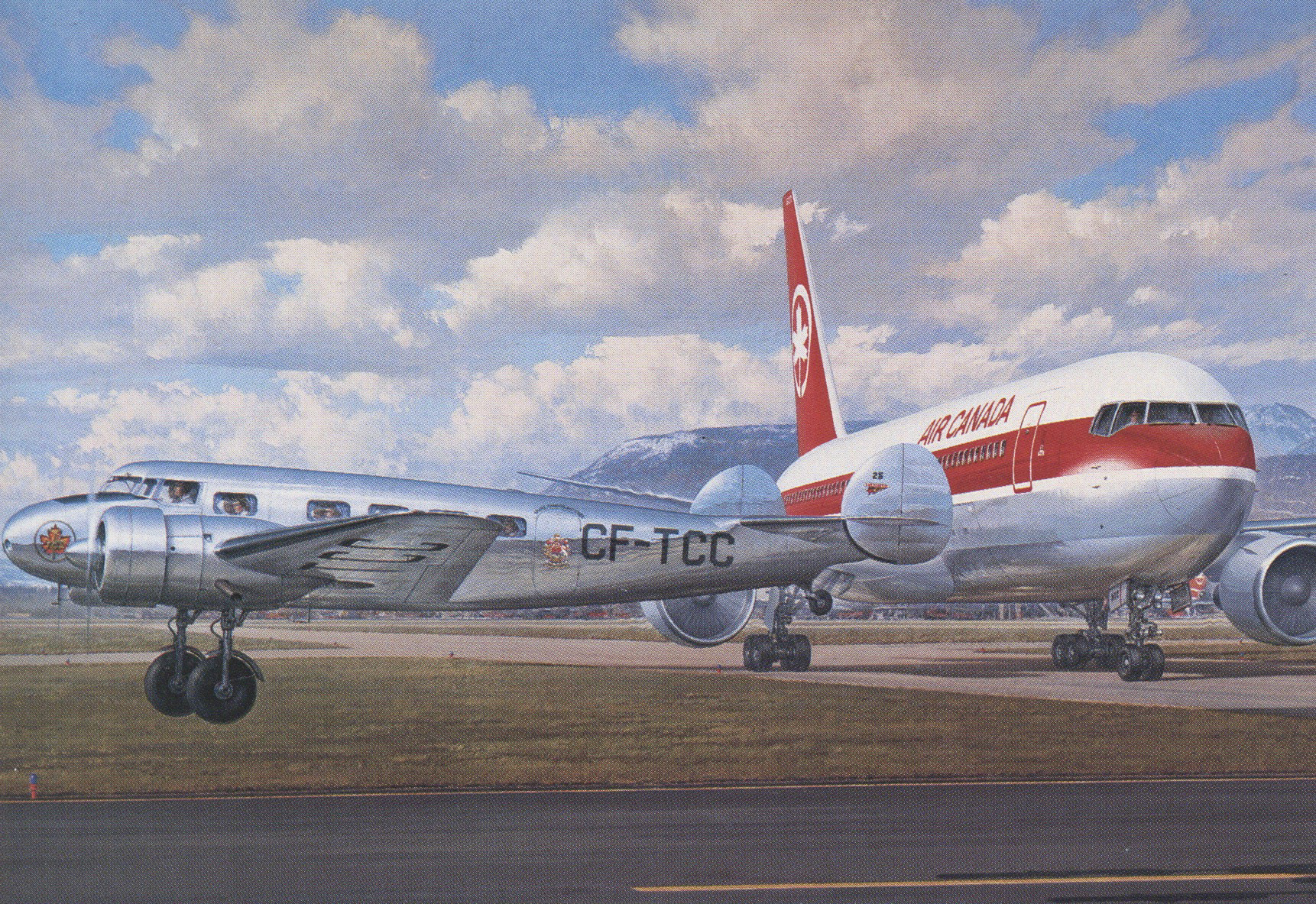
 

Trans-Canada Airlines Lockheed L-10A Electra, with Air Canada Boeing 767.  Air Csnada issue on its 50th anniversary, 1987.   Artist: Robert Bradford, Canada.

QANTAS Airways Boeing 747-300 in “Nalanji Dreaming” livery.  Published by Artist Terry Johnson, born U.S., studio in Australia.
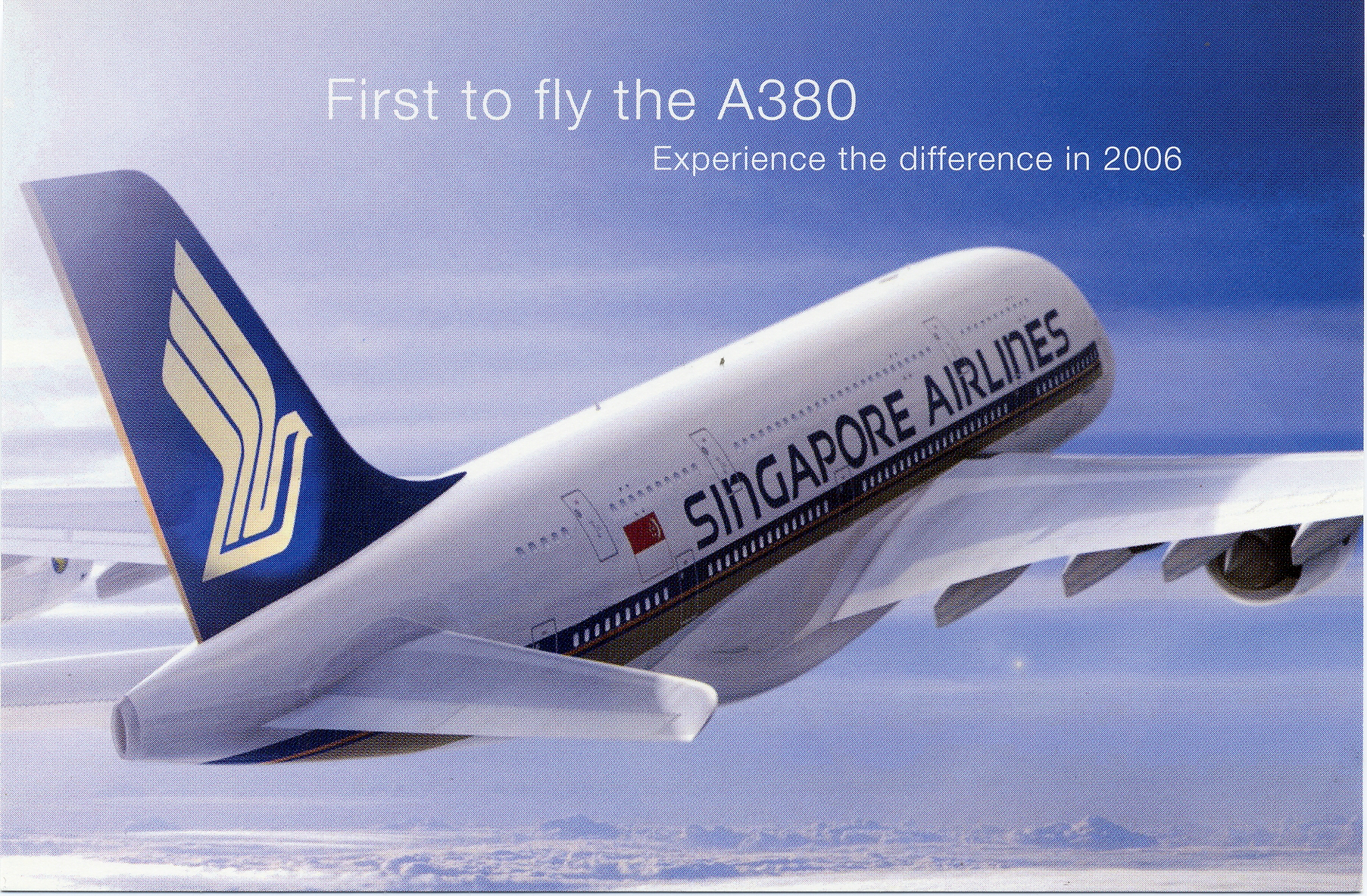
Singapore Airlines Airbus A380.  Airline issue, an example of computer art.  Today, many aviation art postcards are produced by graphic designers using computer software.

Speaking of computer graphic art, note that the most recent publicity postcards issued for the annual Airliners International shows have been designed by U.S. aviation artist Chris Bidlack.  Here is an example of his art for these shows:
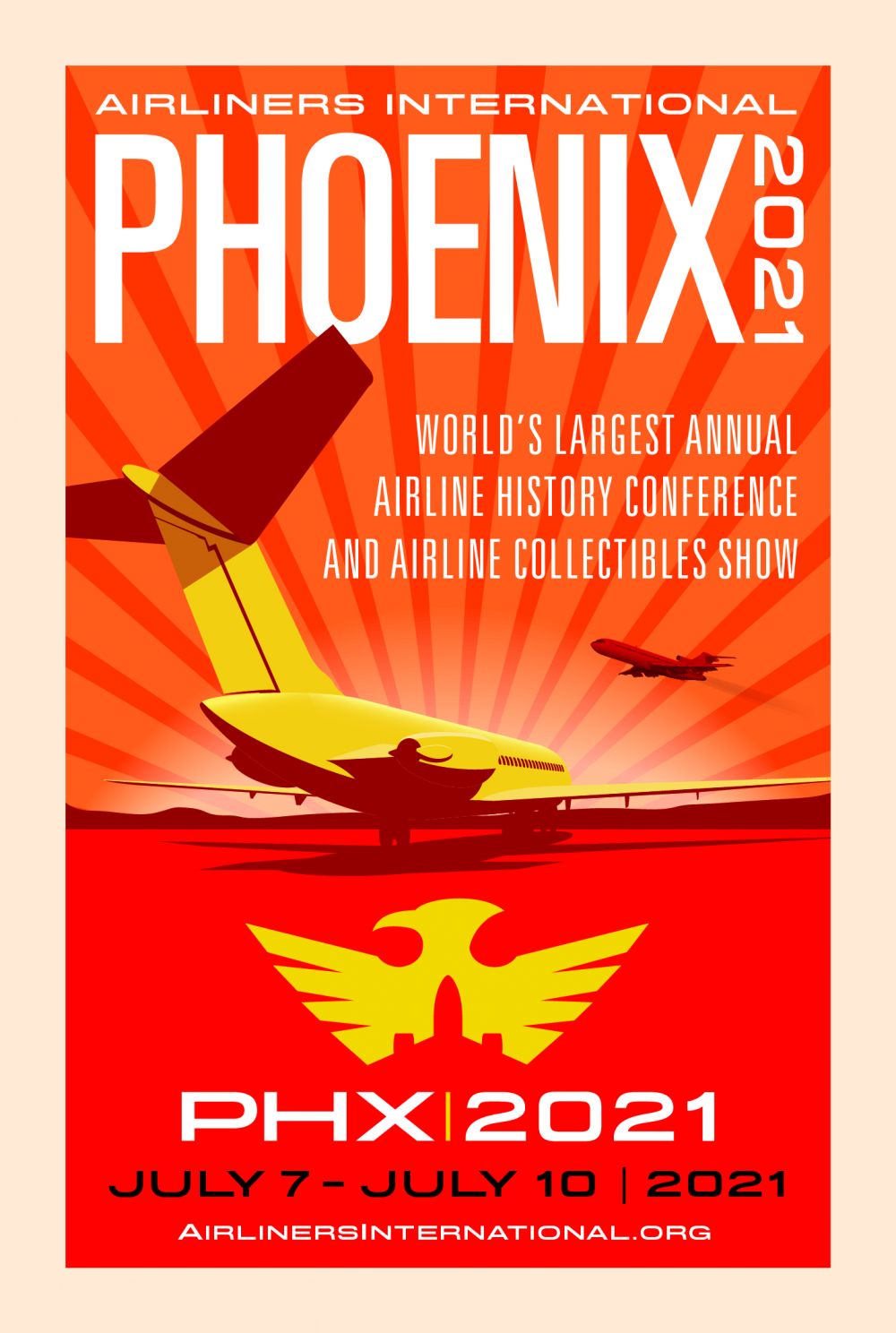
Airliners International 2021 Phoenix show card. Artist Chris Bidlack.

I hope you enjoyed this selection of postcards showing passenger aircraft art.  There are many more postcards of this type available.  Also, there is a whole other category of airline art postcards that emphasize destinations served or contain other advertising – all of which can form a beautiful collection.

All the postcards shown are from my collection.  They are standard or continental size except when stated to be oversize.  I estimate their availability as follows:  Rare: the S.A.M. S.71 and Air Katanga cards; Uncommon: the Florida Airways Stout 2-AT, Imperial Scipio, TWA DC-4, BWIA Viscount and Aeroflot TU-114 cards.  The rest are fairly common.

If you have any comments on my articles, I would be pleased to hear from you.  Just email me, Marvin Goldman, at worldairsociety@aol.com.

Until next time, Happy Collecting
Continue Reading 3 Comments

Airlines of Great Britain — Part 1

Written by Charlie Dolan

I began the year 2021 with the first article about British carriers featuring Imperial Airways and the subsequent BOAC, British, and British Airways. Over the next few months, I plan to highlight some of the many other airlines, which were formed over the years in Great Britain. Some were small, some large. Others lasted only a few years before succumbing to bankruptcy or merger and others are still in business.

So, while my wife is watching the super bowl, I’ll press on to the skies of England, Scotland and Wales.

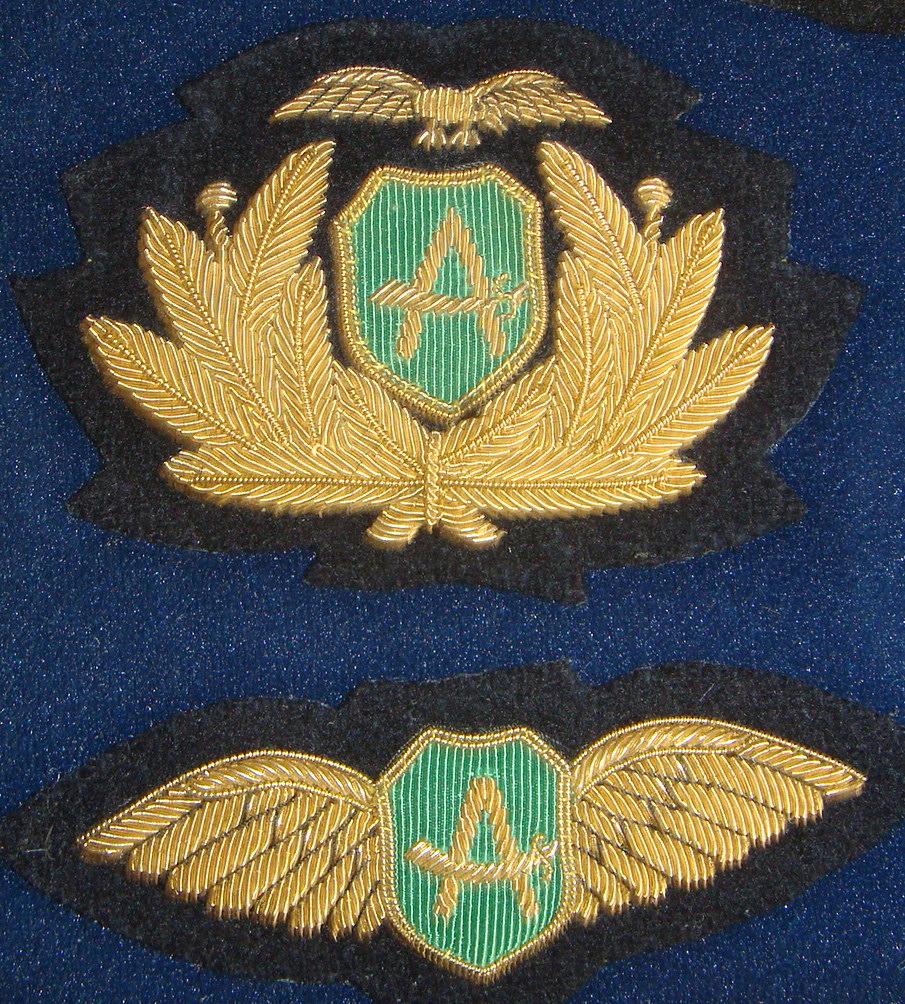
Ace Freighters / Ace Scotland 1964–1966 (5 aircraft)

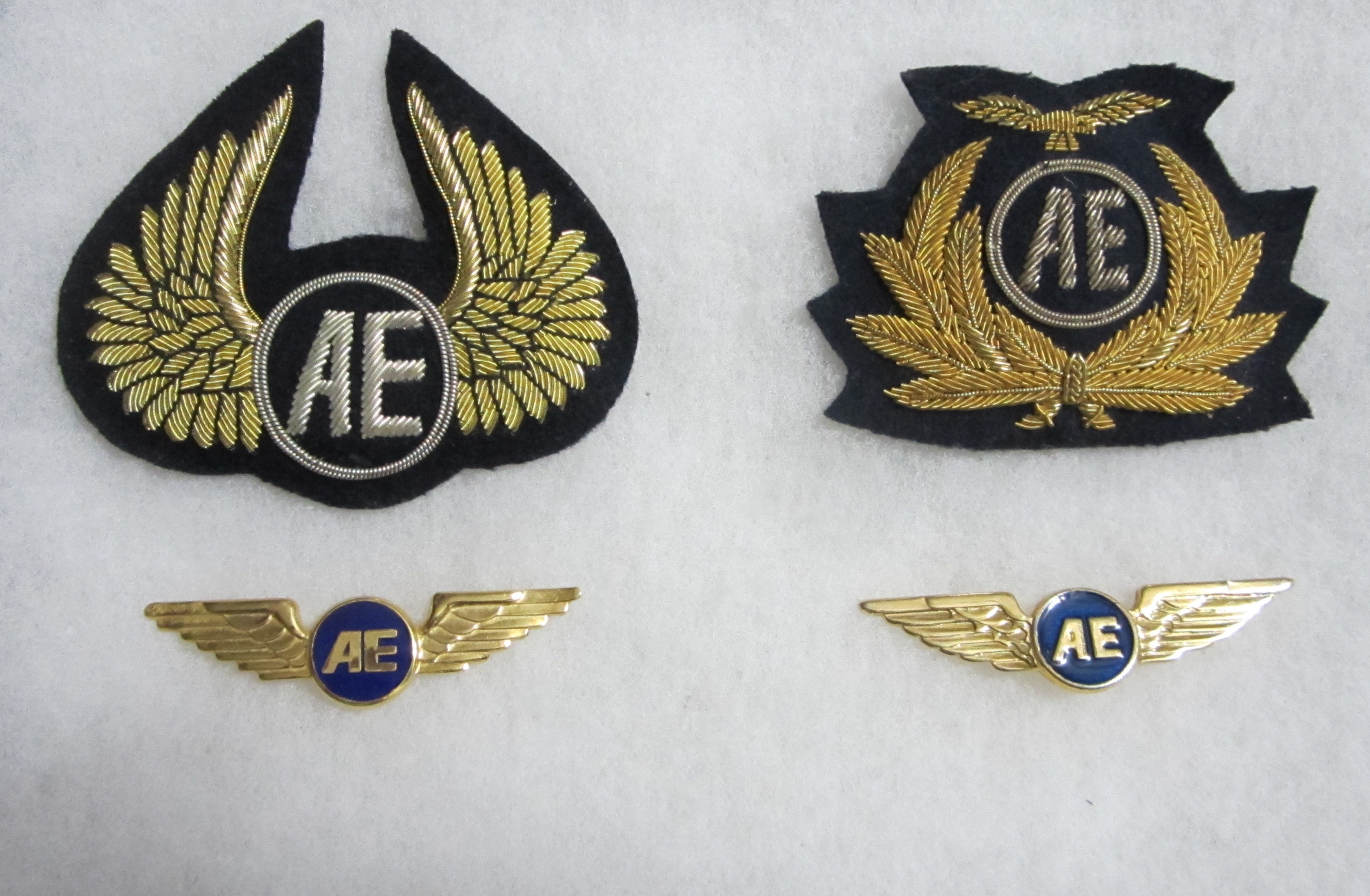
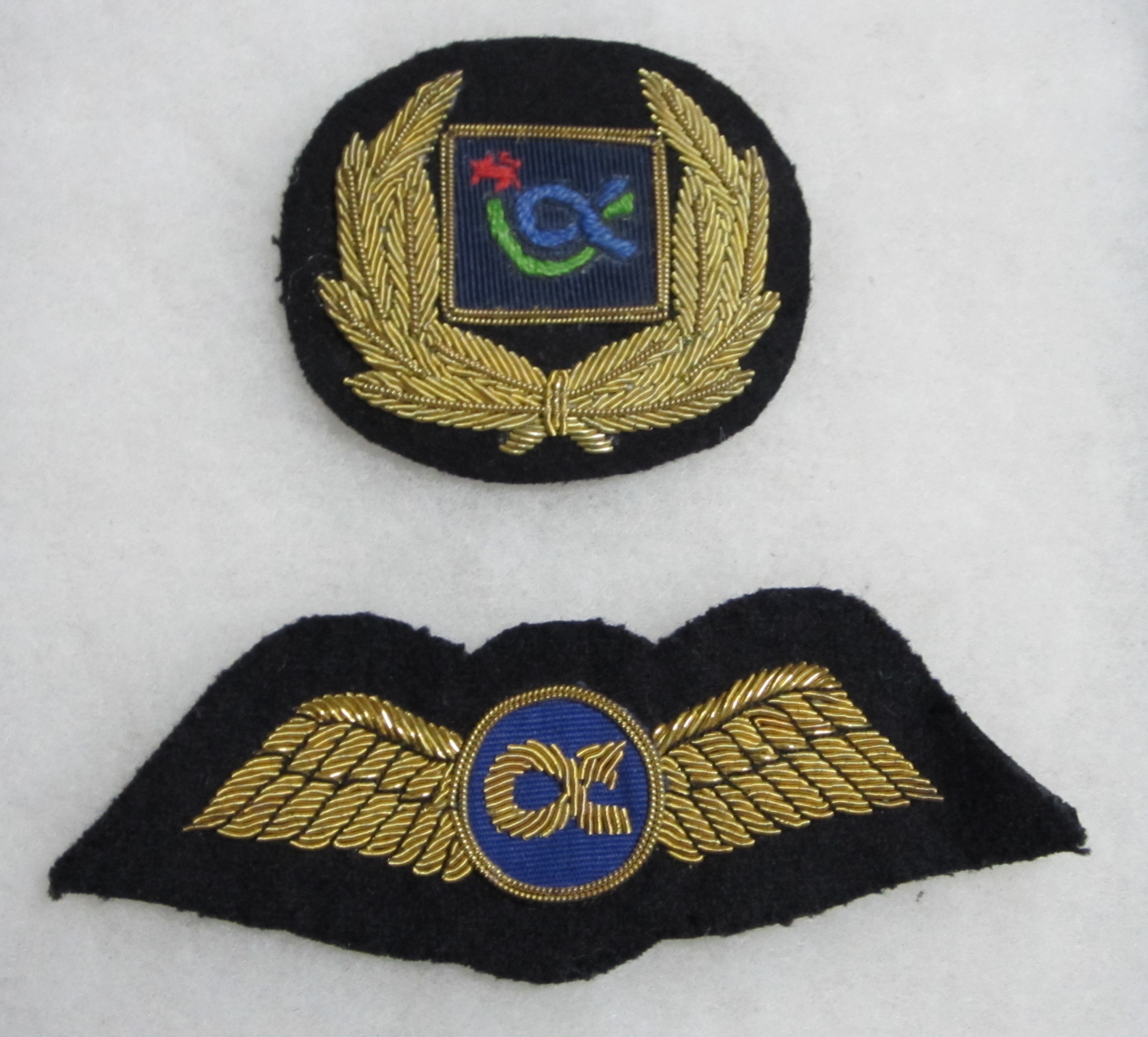
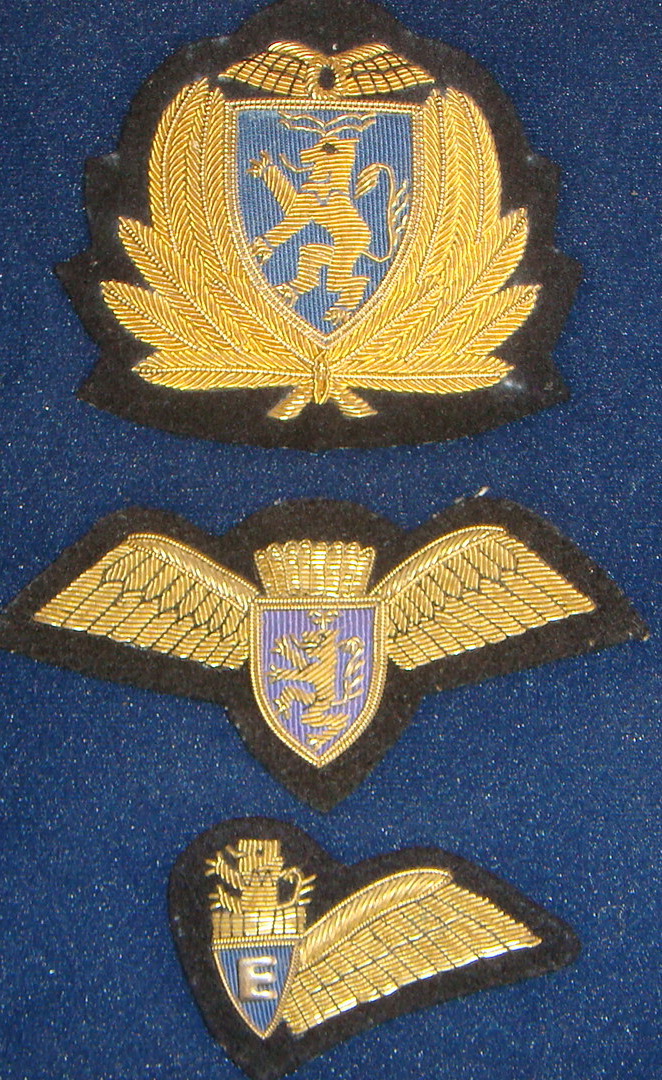
Air Europe AE AOE 1979–1991

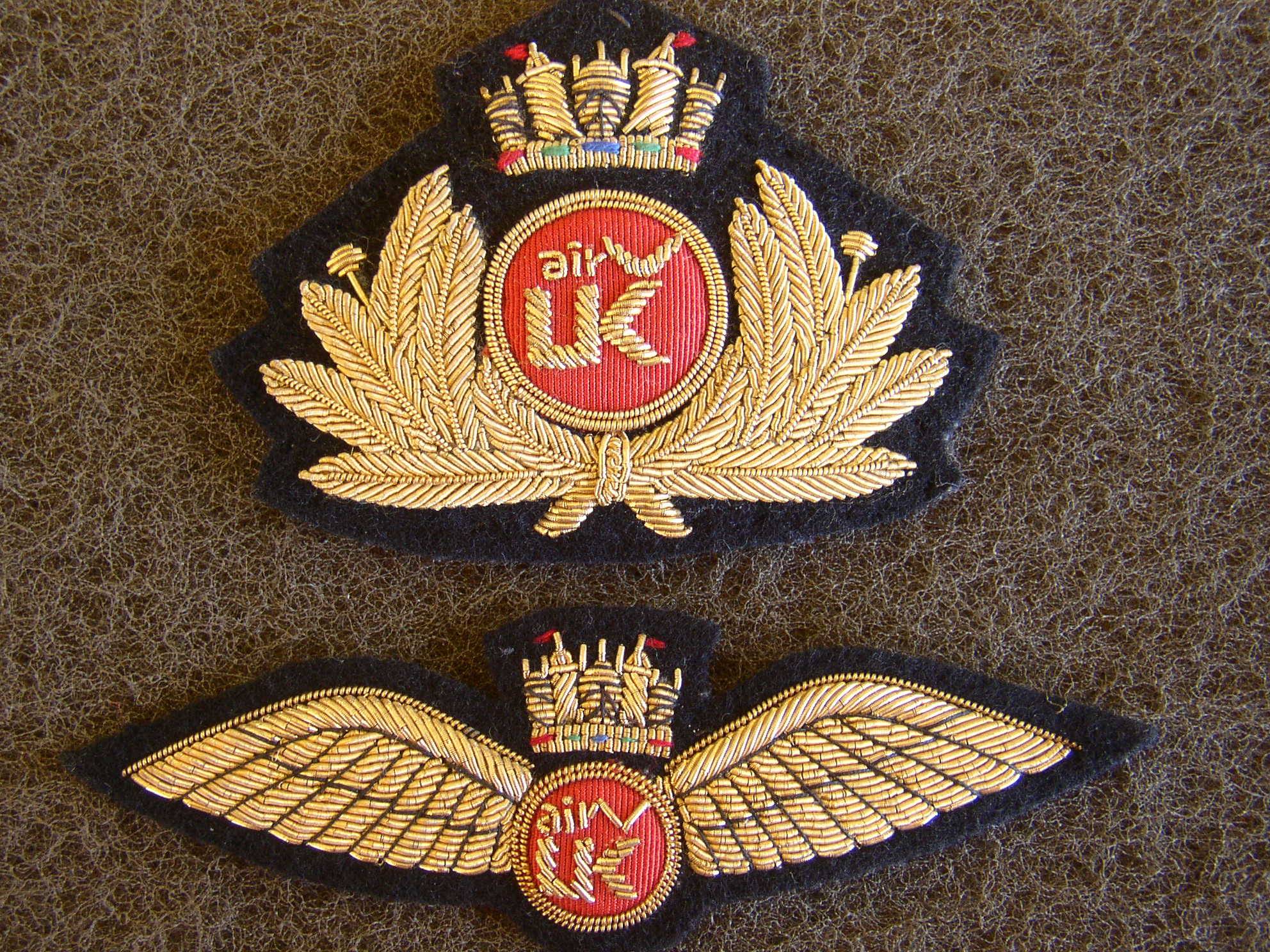
Air UK   UK UKA 1980–1998

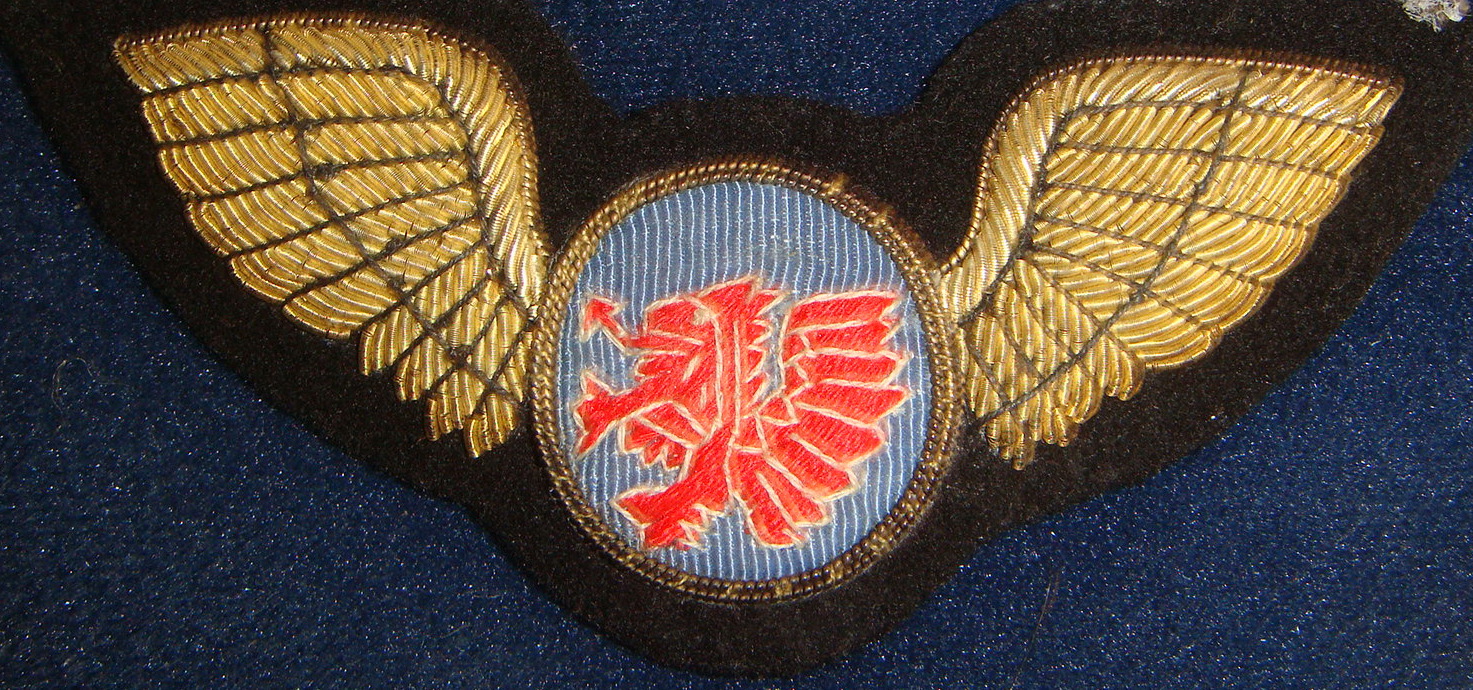
Airlines Cymru (Wales) AK CYM 1984–1988

Airtours (became My Travel). VZ MYT 1990–2008

Alidair (Scotland) 1972-1983

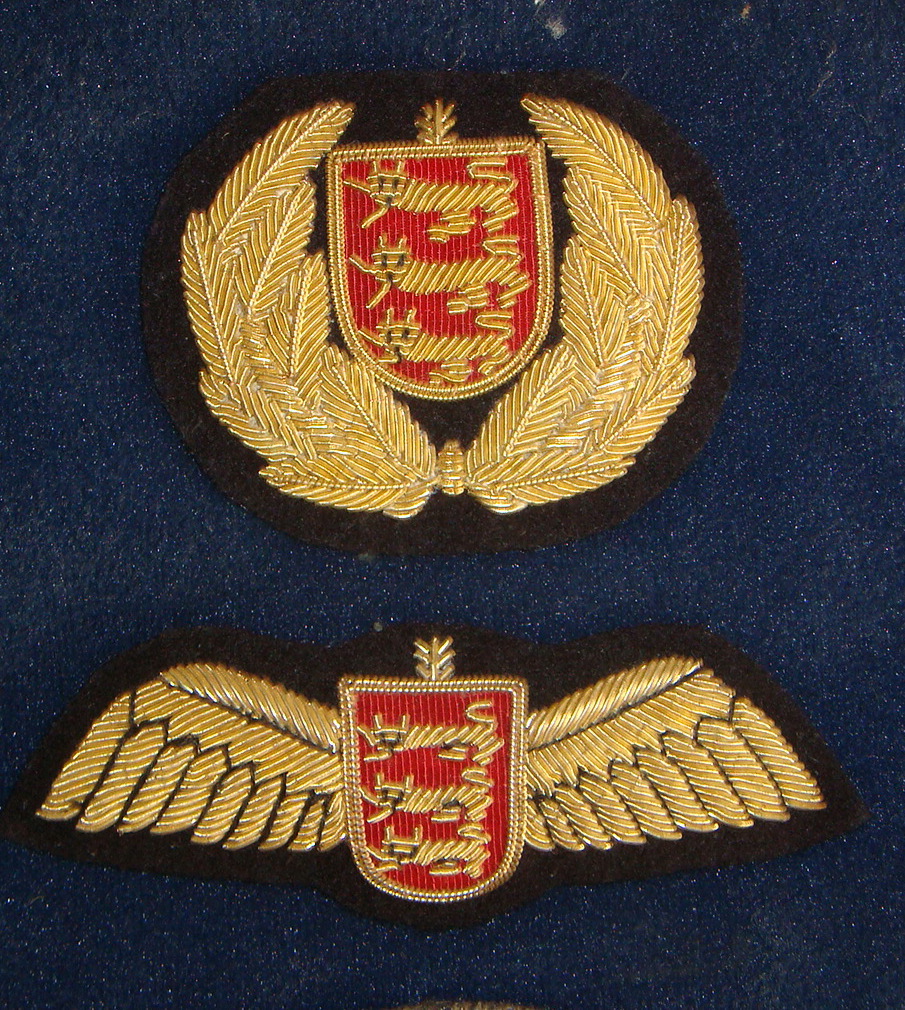
Aurigney Air Services GR AUR 1968–present

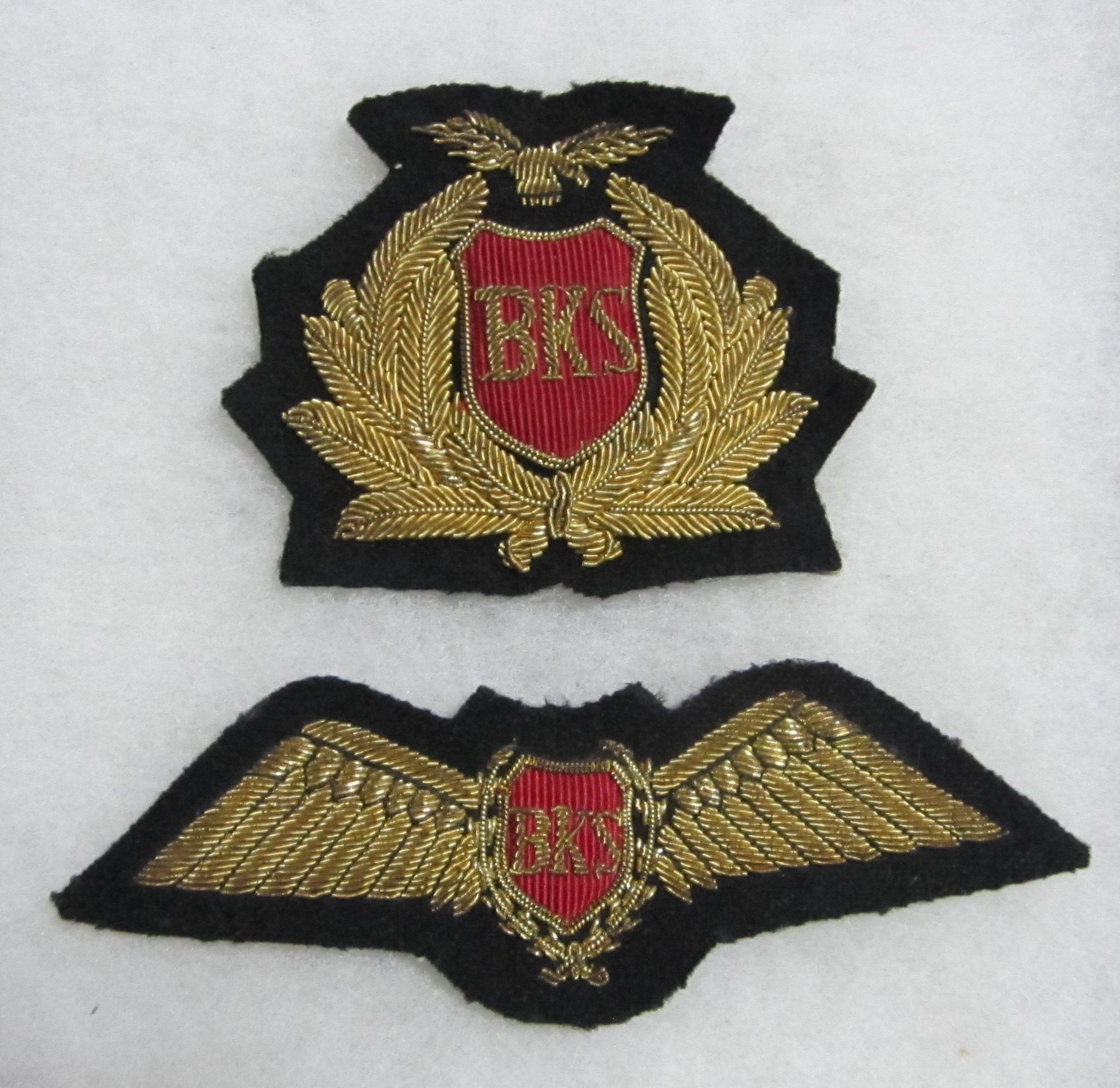
B K S (named for founders: James Barnby, “Mike” Keegan and Cyril Stevens) 1952–1970 merged into Northeast

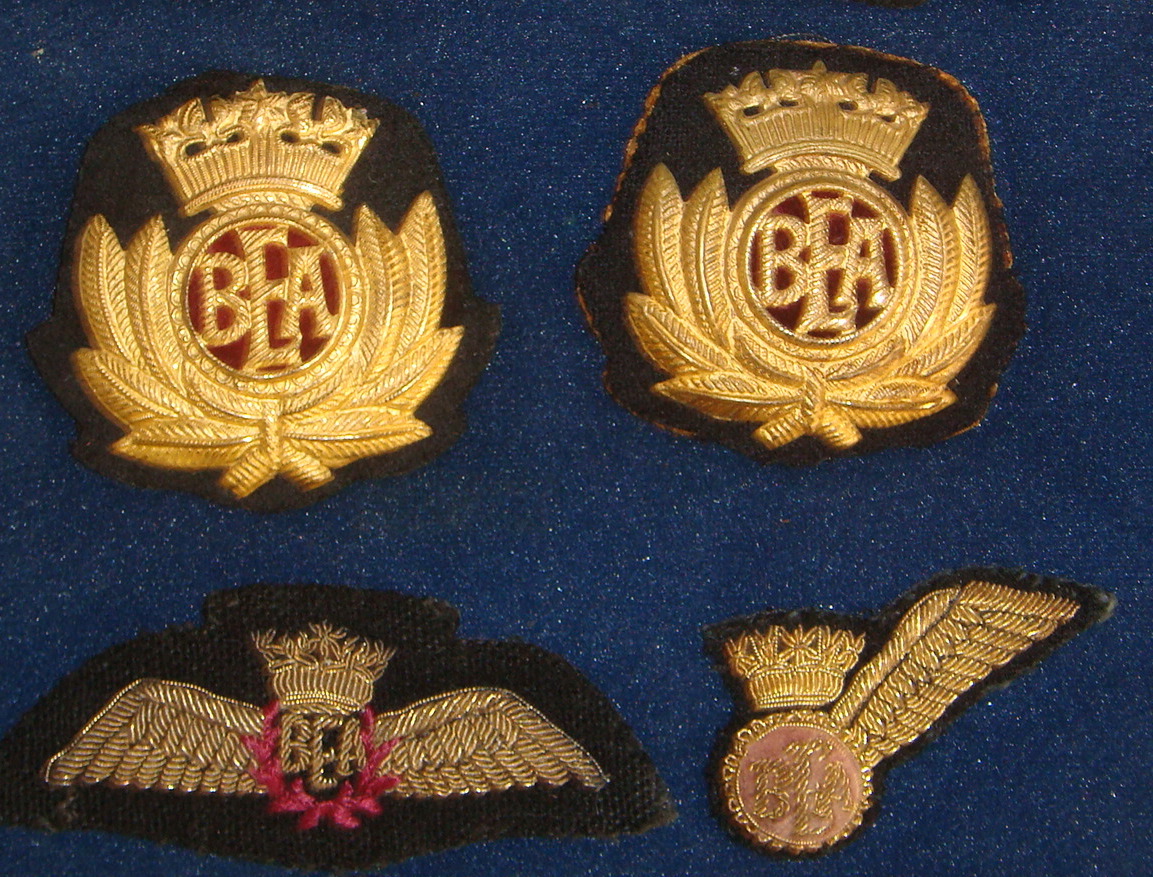
B E A British European Airways BE BEA 1946–1974 (merged into BOAC)

British Caledonian BR BCC 1970–1988

Continue Reading No Comments

The British Are Coming

Written by Charlie Dolan

Now that we’re entering a new year, I thought that I’d re-locate to another part of the world. I was born on Long Island, NY, went to high school on Manhattan Island and finished my career on the islands of Bermuda, so I thought a trip to the British Isles would be in order. I have quite a few insignia from those islands in my collection, so they might take care of most, if not all, of my 2021 contributions.

I usually try to submit images in alphabetical order, but because they pretty much were the flag carriers of Great Britain, I will begin with the insignia worn by Imperial Airways (1924 – 1940) and those of British Overseas Airways Corporation and British Airways.

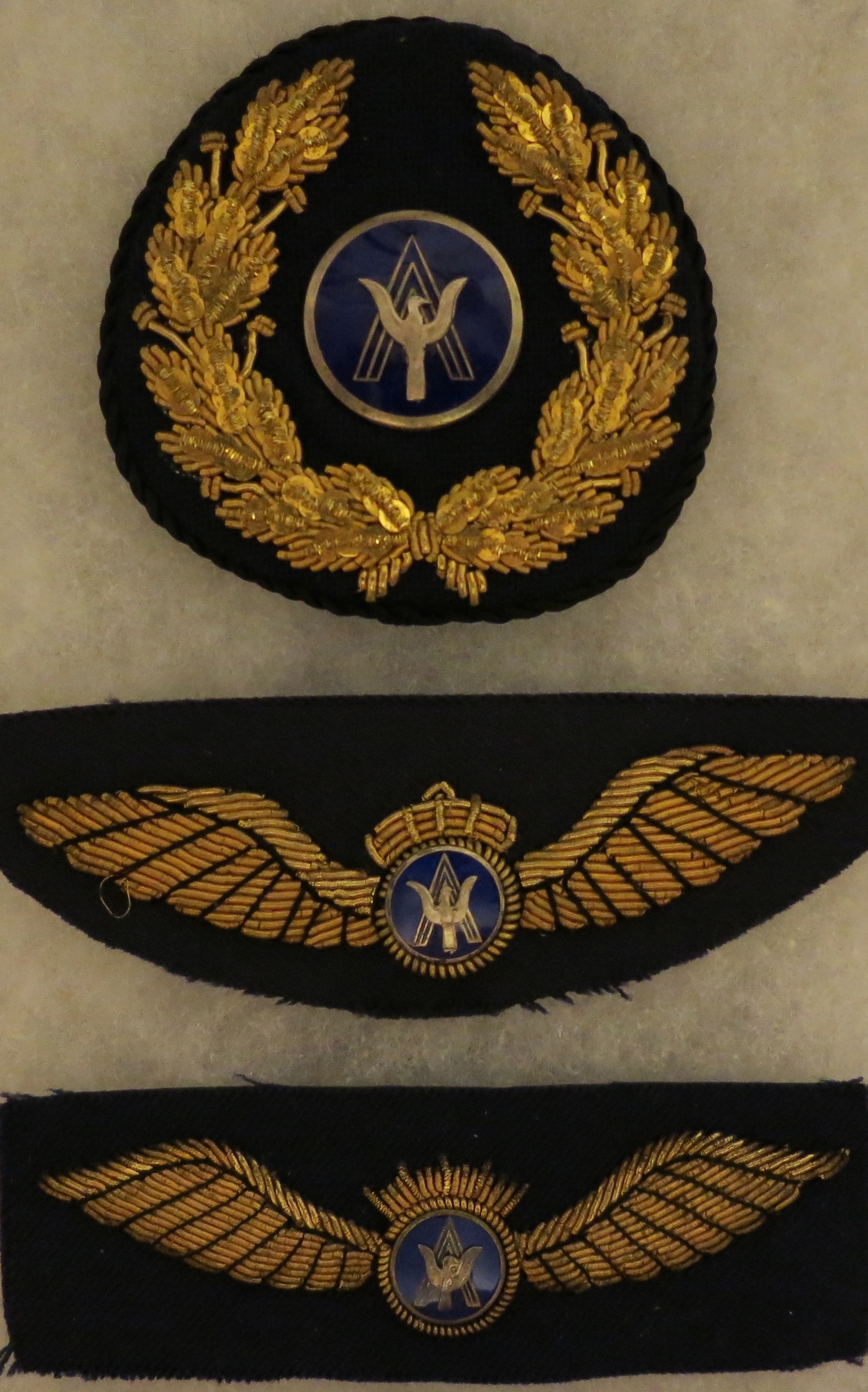
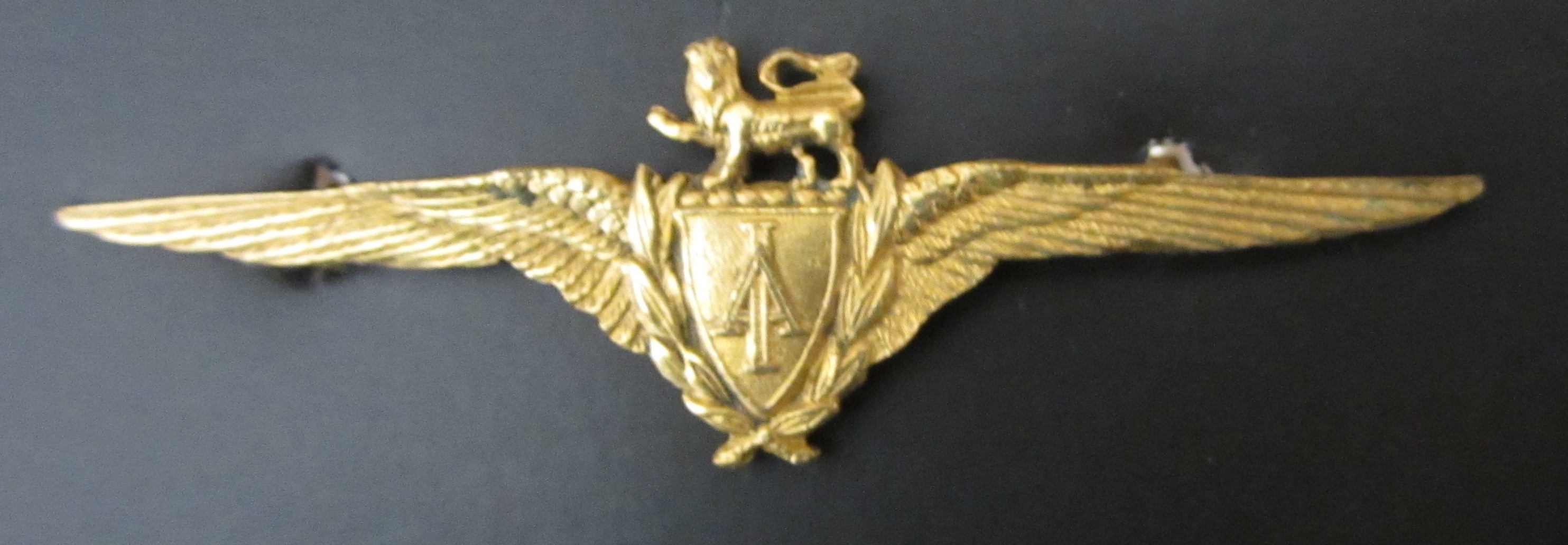
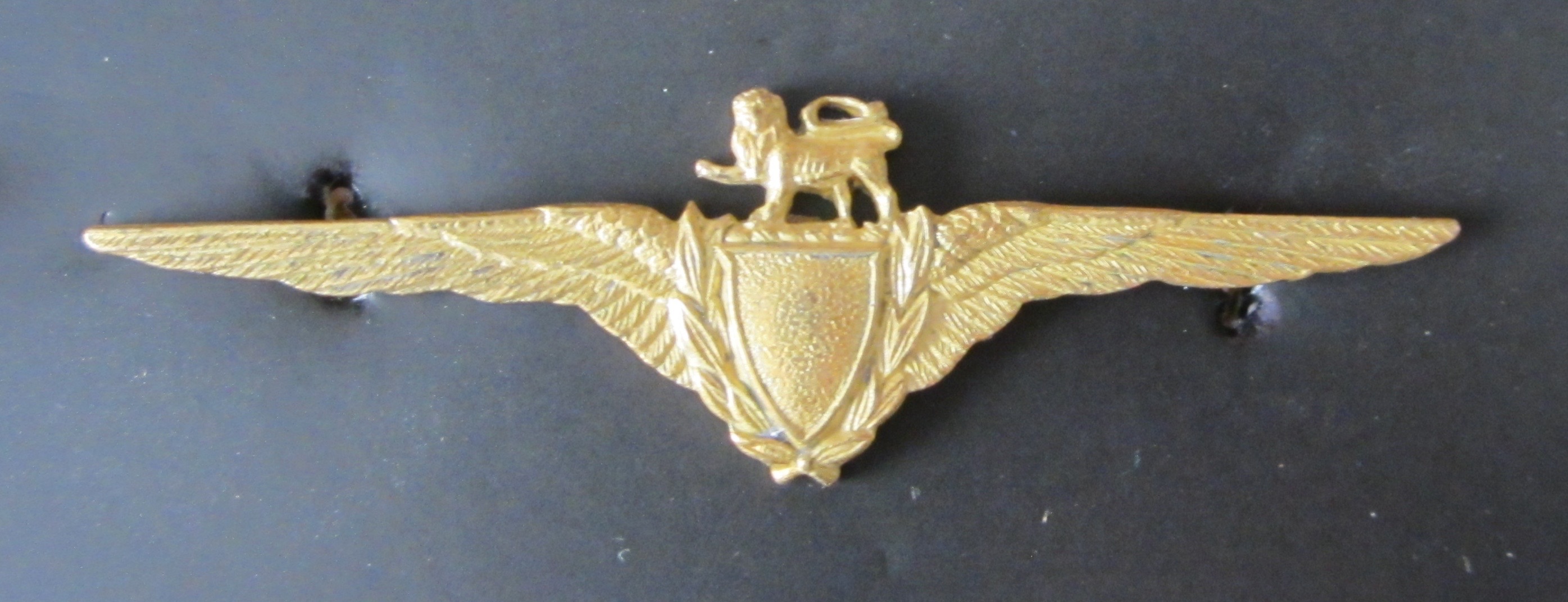
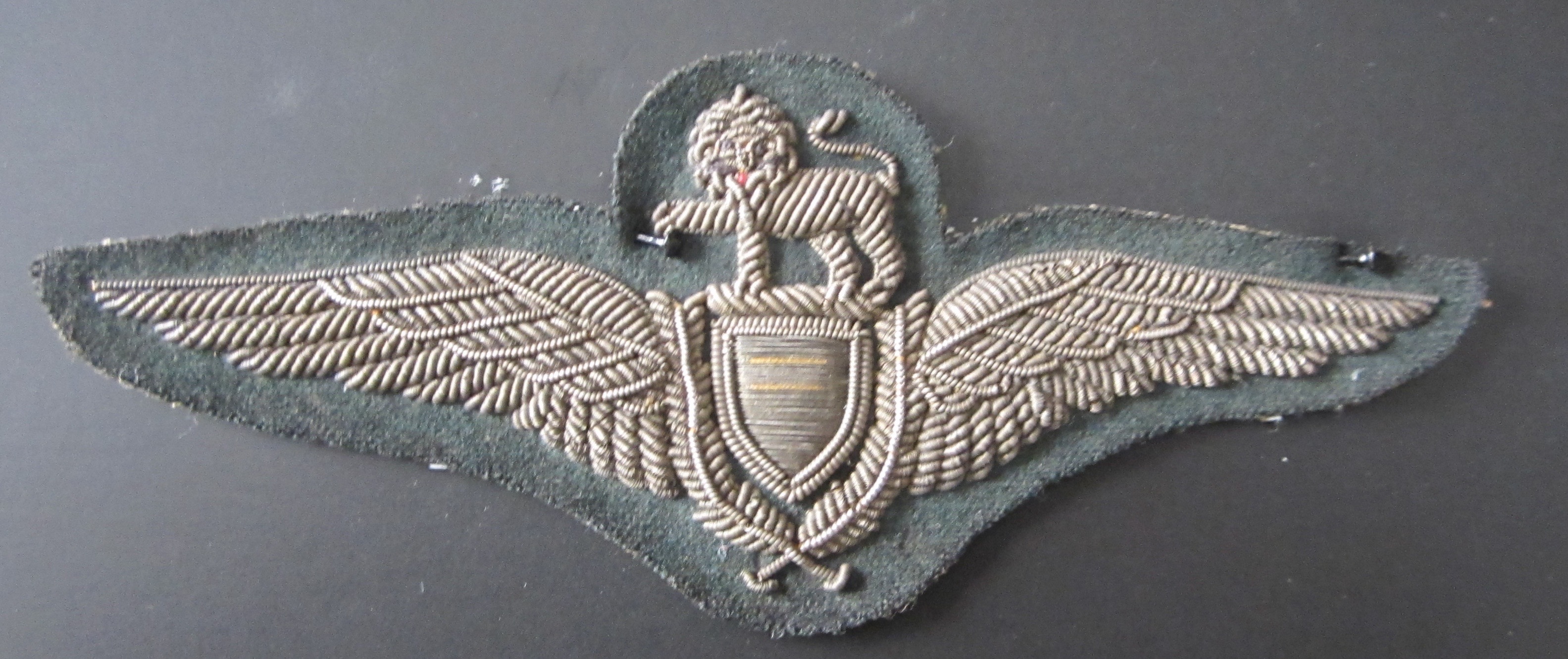
Imperial Airways operated between 1924 – 1940, greatly reducing the time it took to reach all areas of the Commonwealth. The routes were operated by land and sea planes and connected London with the empire both east and west.  With the advent of World War Two approaching, the major carriers of the U.K. were merged into British Overseas Airways Corporation. In anticipation of this merger, the insignia of Imperial Airways were modified to remove the letters “I” and  “A” from the center shield while new insignia were designed for BOAC.

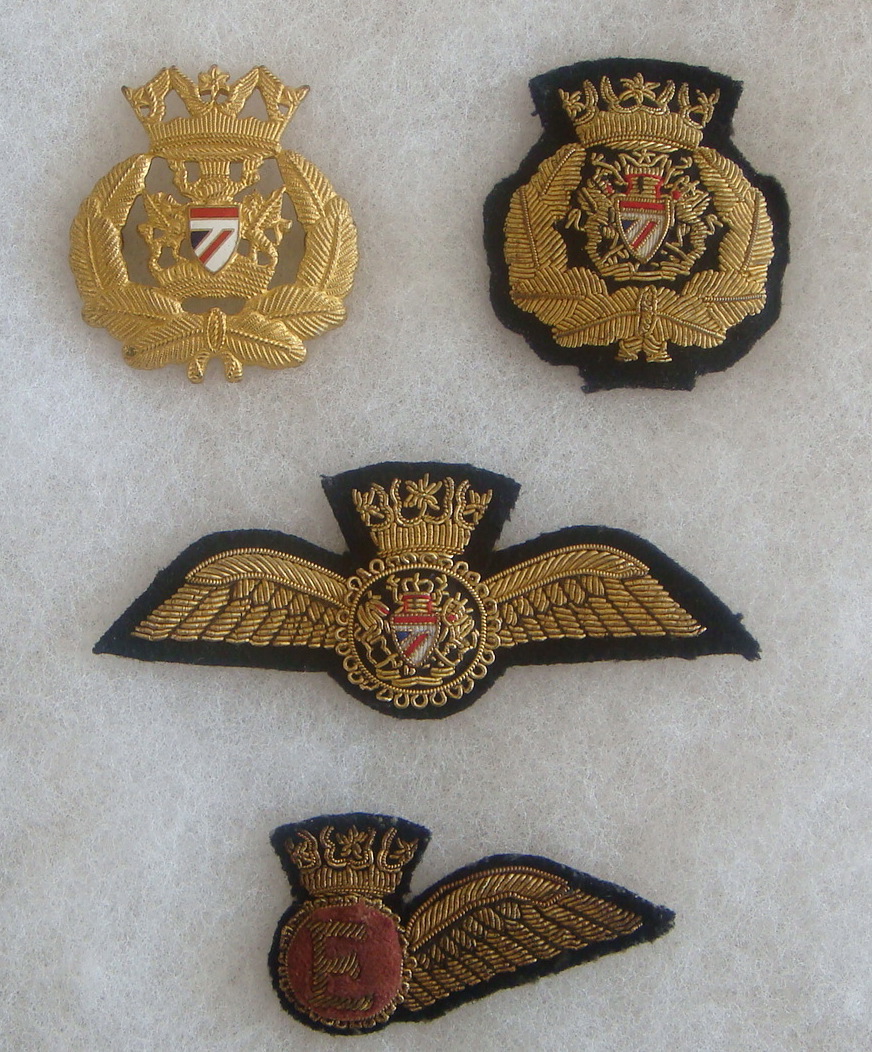
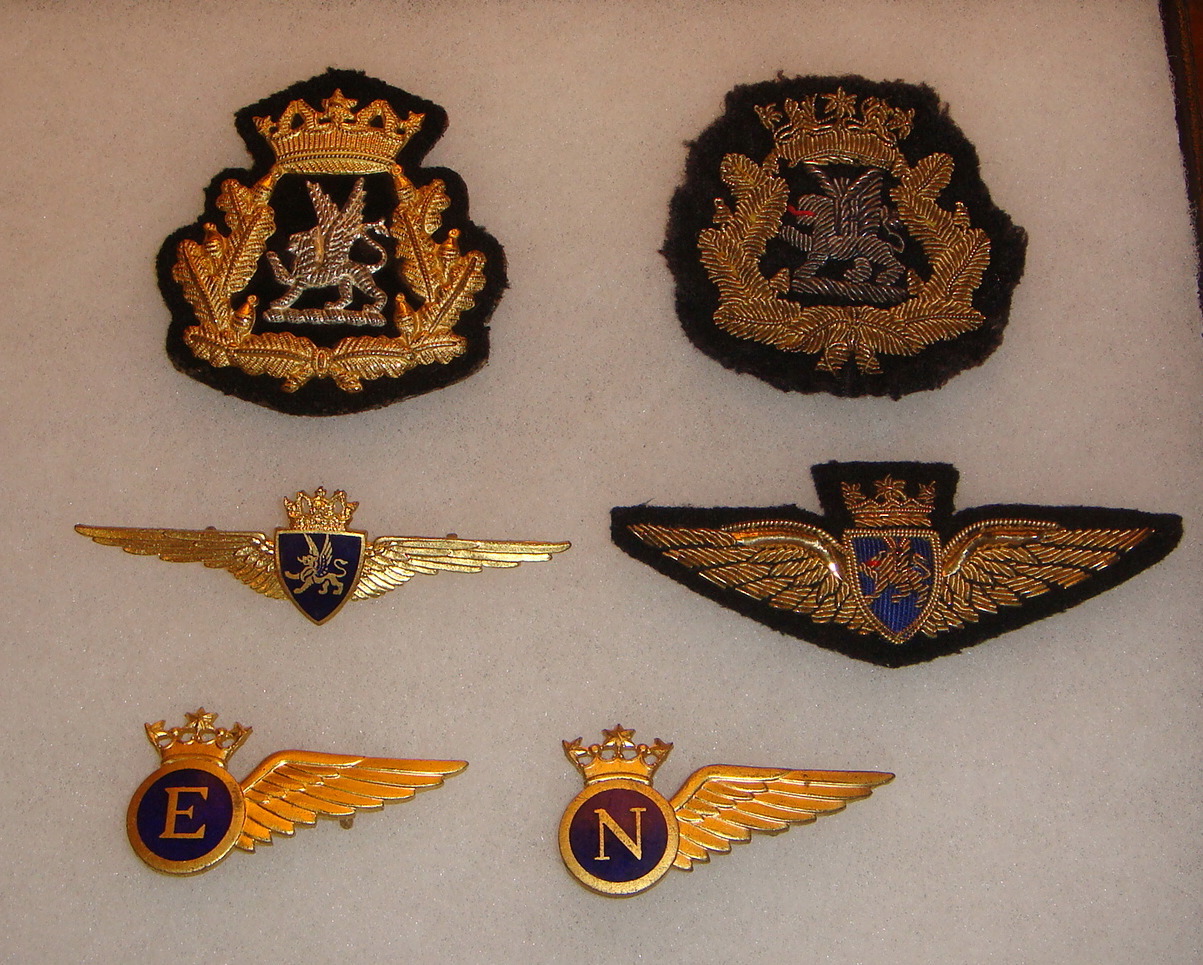
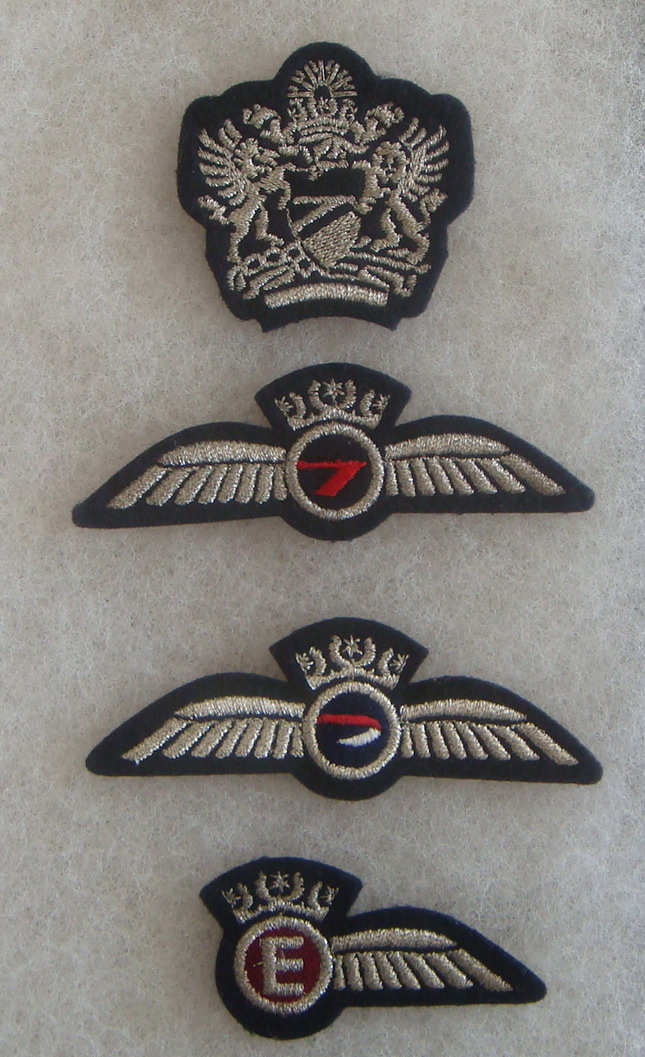
BOAC operated between 1940 – 1974 when it merged with British European Airways to become British Airways.  Over the years, the BA insignia have changed many times. The first BA insignia was very ornate with quite a bit of gold bullion thread and a three colored shield at the center of the wing and cap badge. There is also a metal version of this first BA insignia. The Next version was very plain in comparison with silver bullion thread on blue material. The center of these wings featured  a “speedmark” or “servicemark”  in red or white / red thread.

British Airways current wing is a well made silver item which looks very substantial.  I do not know if there is a metal hat badge or the silver threads badge has been retained. There have been several replica wings offered on Ebay, but I do not want one of those so I’m hoping that someday a real wing will find a place in my collection.

I was told many years ago that the insignia worn by Commonwealth engineering officers have purple fabric at the center of the wings behind the “E” and between the rank stripes on their sleeves and epaulets in tribute to those engineers who remained at their stations as the RMSS Titanic sank. I have recently read of a challenge to this theory, but I still put it forward.

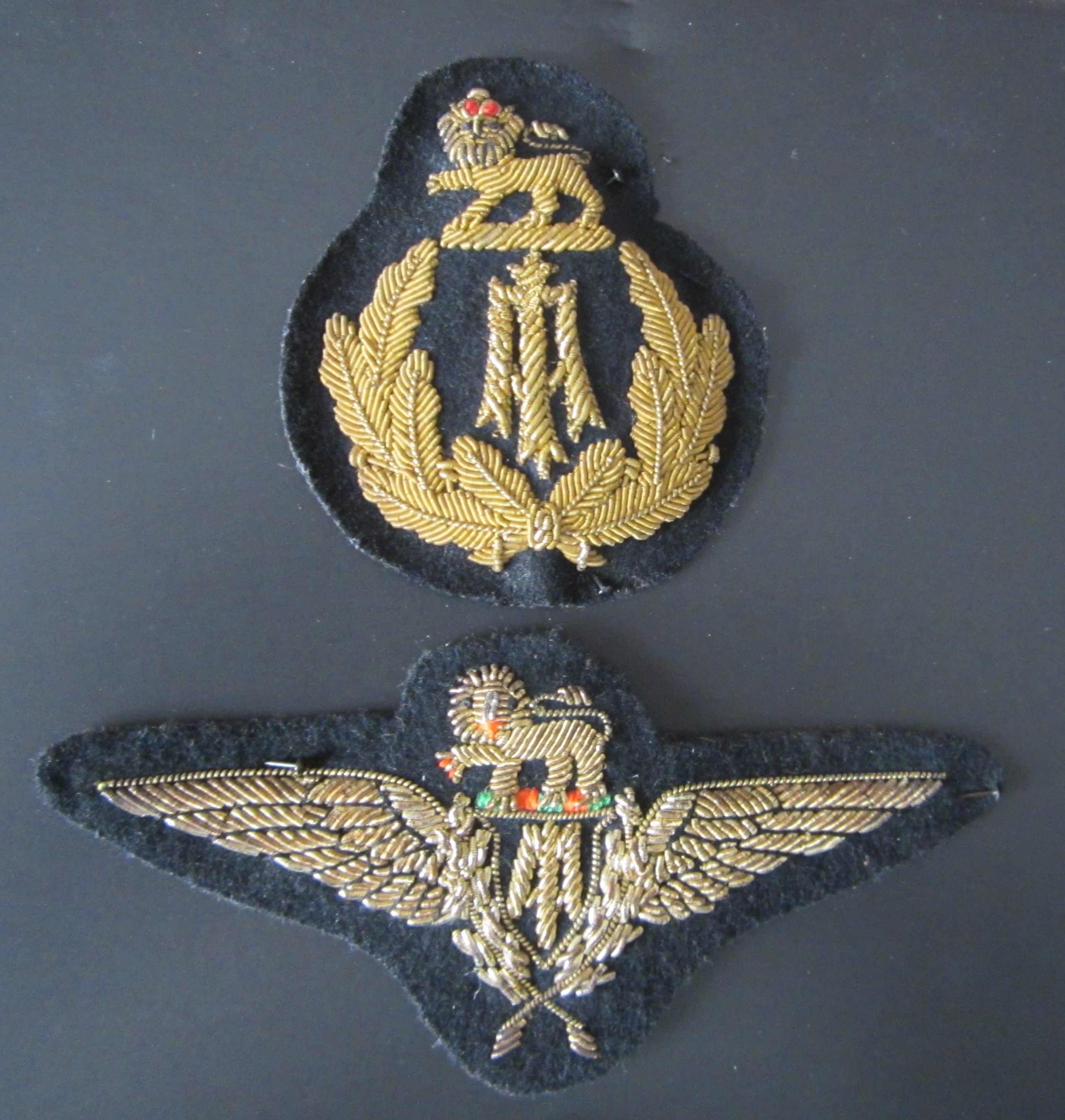
Imperial Airways cloth wing insignia and cap badge

Imperial Airways metal wing

Metal wing without “IA”

Bullion wing without “IA”


BOAC wings and cap badges in metal and fabric with bullion thread.

British Airways first issue with metal and bullion thread cap badges

British Airways recent issue insignia with silver thread on blue material and showing two different center designs

Continue Reading 1 Comment

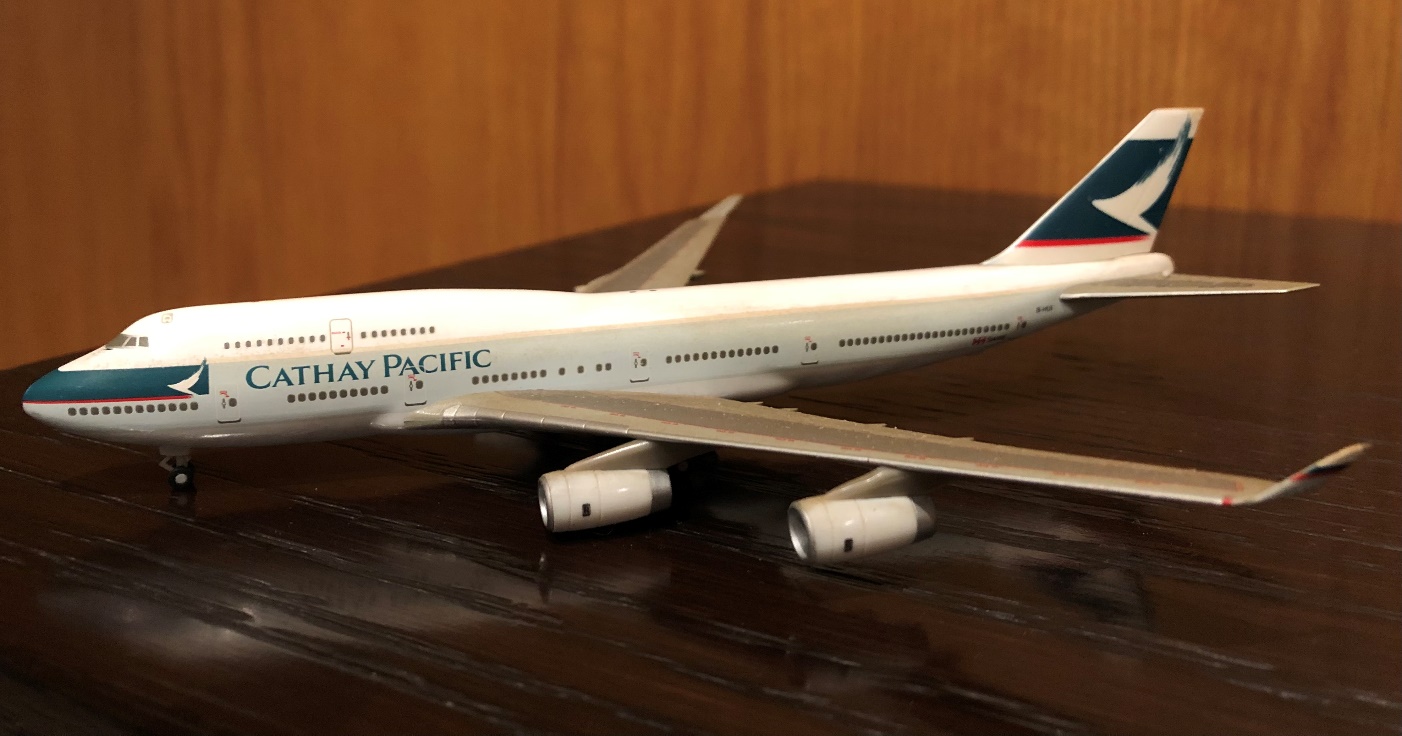
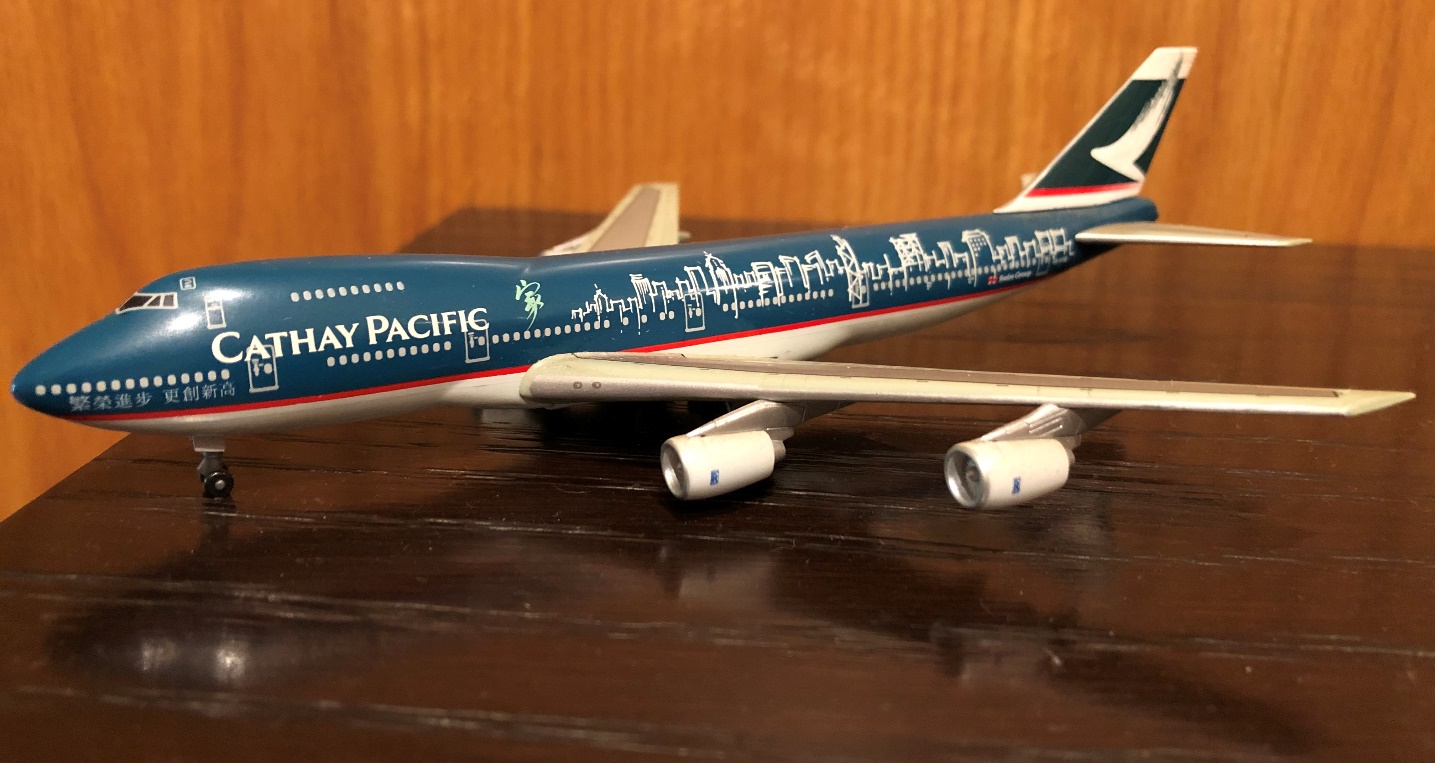
A miniature B747 retrospective on Cathay Pacific’s livery evolution (1970s-2010s)

By Fabricio Cojuc

As a teenager my adoration of the Boeing 747 ignited a lifetime passion for the aviation industry. What began as a very modest 1:600 scale diecast model collection in the early 1970s has grown exponentially in size and personal commitment.  My focus over the past two decades has been on building up an eclectic 1:400 scale commercial airplane replica fleet, with a preference for special or unique liveries involving of course the B747, with Cathay Pacific at the very top of my list.

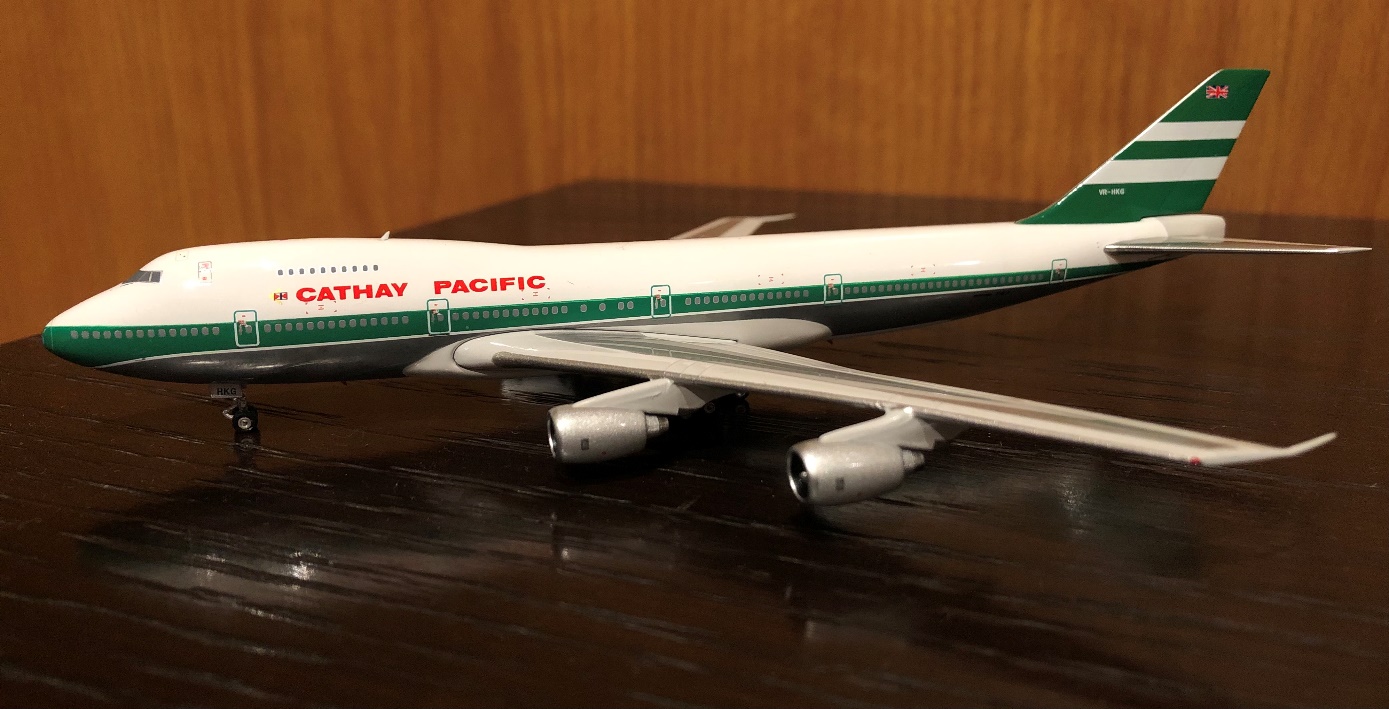
The Hong Kong based carrier operated different variants of the B747 for 37 years, beginning in June 1979 with the rollout of its first aircraft.  B747-267B, line number 385, was fittingly registered VR-HKG and wore its magnificent 1970s/80s livery, including a prominent green color, owner Swire Group’s logo in front and the British flag in the upper tail.

With the handover of Hong Kong to China in July 1997 Cathay Pacific undertook a bold image evolution and livery makeover, reflecting a modern and stylish look. Delivered in September 1997, its first -400 series, B747-467 line number 1033 was registered VR-HNI for a short time only, as all VR- registered aircraft transitioned to China’s B- registry by the end of 1997 (B-HNI is applied on this model). The Swire Group logo was redeployed to a less visible spot aft of the last lower-deck window.

To commemorate Hong Kong’s new status, B747-267B (B-HIB) was unveiled on July 1 in stunning special colors. It featured the titles “The Spirit of Hong Kong 97” on the right side and its Chinese equivalent on the left side of the aircraft, a rendering of the city’s famous skyline on both sides and a traditional Chinese brushstroke character in the middle. It was retired in 1999 as the airline continued to build up its younger –B747-400 series fleet.

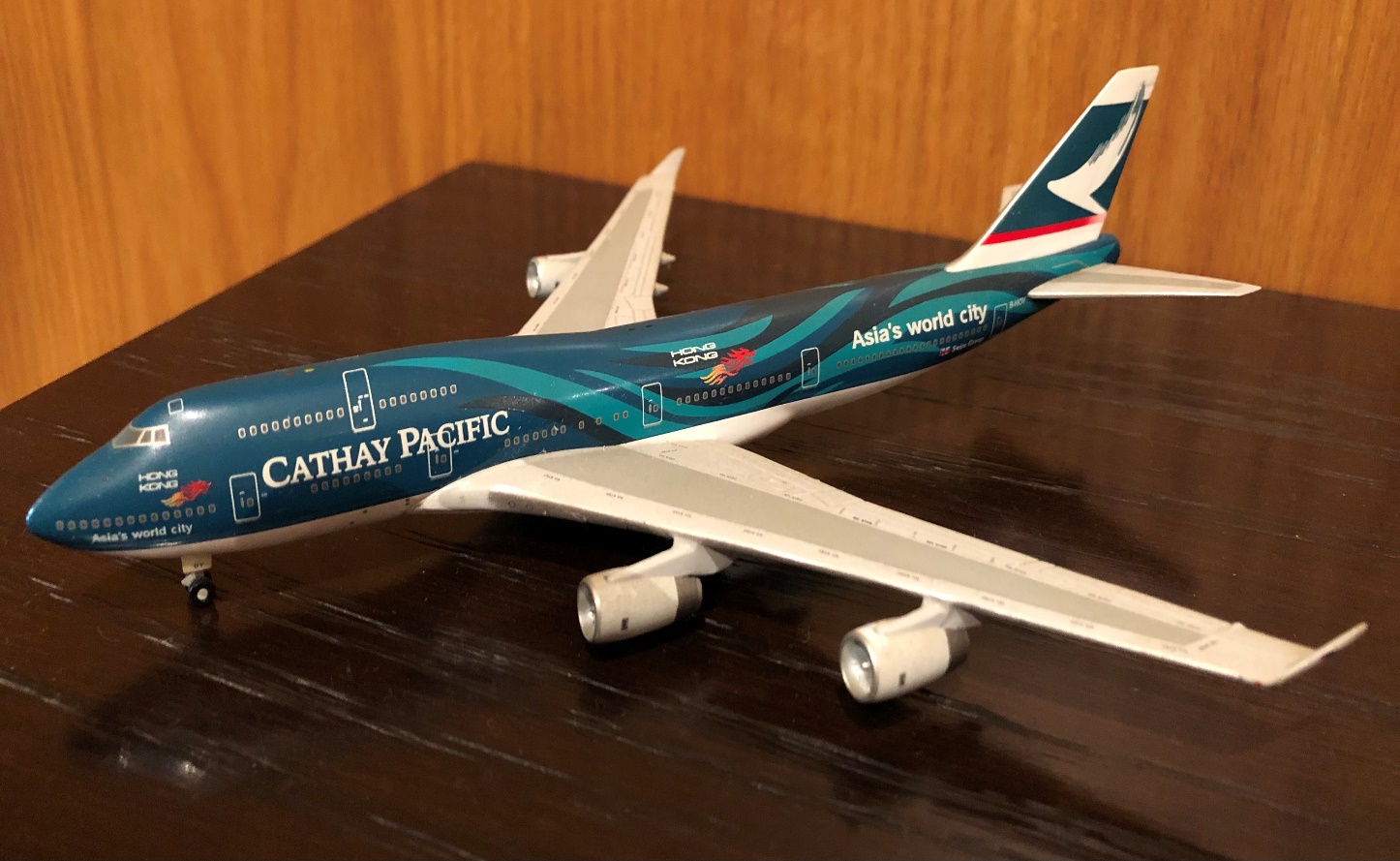
On July 5, 2002 special-liveried Boeing 747-467 (B-HOY) was rolled out, carrying “Asia world city” titles. Brand Hong Kong (its dragon logotype clearly visible) was launched as a government marketing initiative to develop Hong Kong´s image as a world class city, and what better way than to use a stunning globe-trotter flying billboard. This livery was removed in 2008 in favor of a B777-300ER.  The -400 series was phased out in October 2016, leaving Cathay with a cargo only B747 fleet since then.

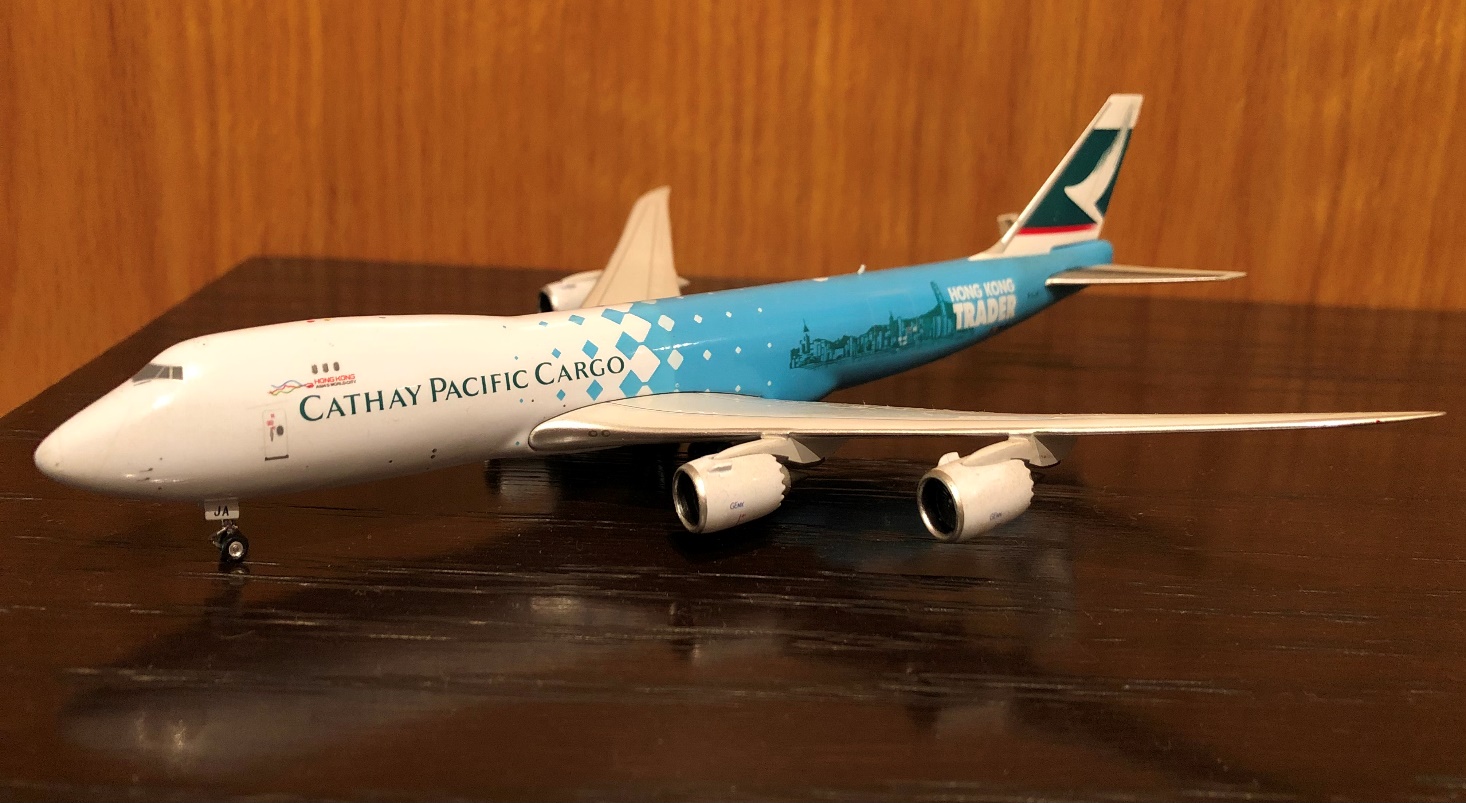
Cathay Pacific received its first of fourteen new generation 747-867F cargo aircraft in November 2011. Line number 1427 (B-LJA) was delivered in the beautiful “Hong Kong Trader” livery in celebration of the airline’s new cargo terminal completion. The name was inspired from its very first 747-267F, dating back to the early 1980s. Elements of both B-HIB (city skyline) and B-HOY (Brand Hong Kong dragon logo) are visible on the fuselage, which was repainted in August 2018 into the latest image.

The current livery was implemented in late 2015. A variation of the former color scheme, it preserves the fundamental green/grey/white color combination and incorporates brush-winged markings, as displayed by B747-867F B-LJN.

Thanks to these great miniatures Cathay Pacific’s B747 legacy can be preserved and cherished.

Continue Reading No Comments

A Few More European Carriers to Close Out the Year

Written by Charlie Dolan

Now that the holiday season is fast approaching, I decided to put together a few more images of carriers from Europe to share with the members of the society.  I spent a few hours over several days going through my records to determine which airlines I have included in past postings. My objective is to prevent duplicating images in the Log which I have done in the past. If anybody thinks I have missed or ignored a particular air carrier which they would like to have seen in he Log, let me know and I will upload it to the log, providing hat I have it to share.

Next year I plan to feature the British Isles, Scandinavia and, if I am quick enough with my writing and imaging, Mexico.

So, as Monte Python used to say, “Off we go”.

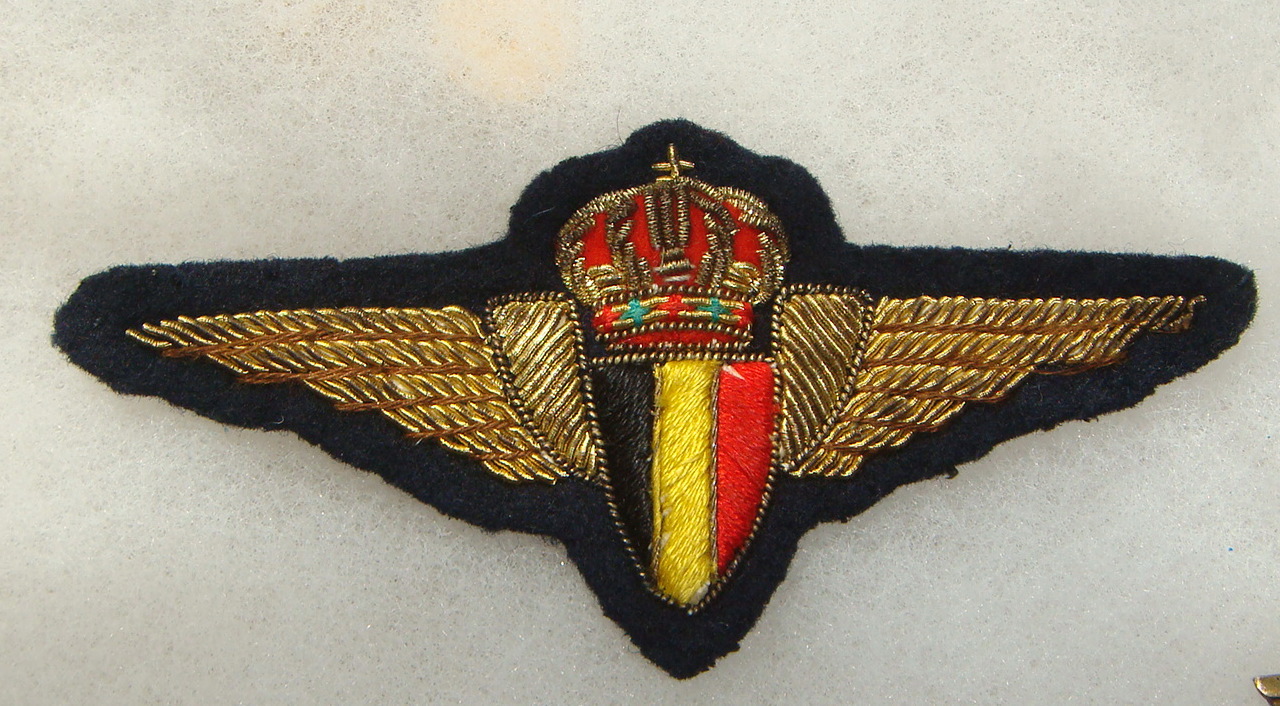
Balkan Bulgarian Airlines LZ LAZ 1947 -2002

Belavia Belarusian Airlines B2 BRU 1996 –present

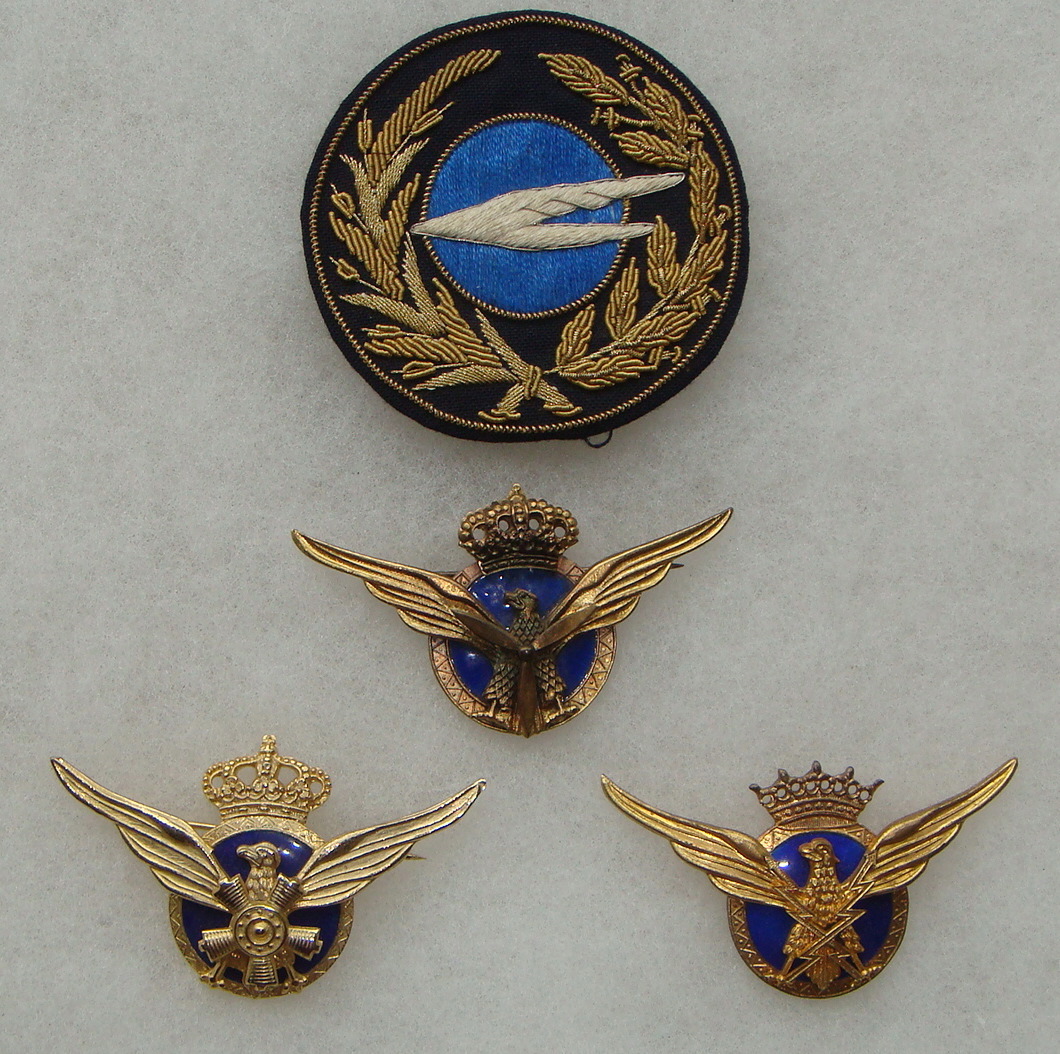
CityBird (Belgium) H2 CTB 1996 – 2001

Croatia Airlines OU CTN 1989 – present

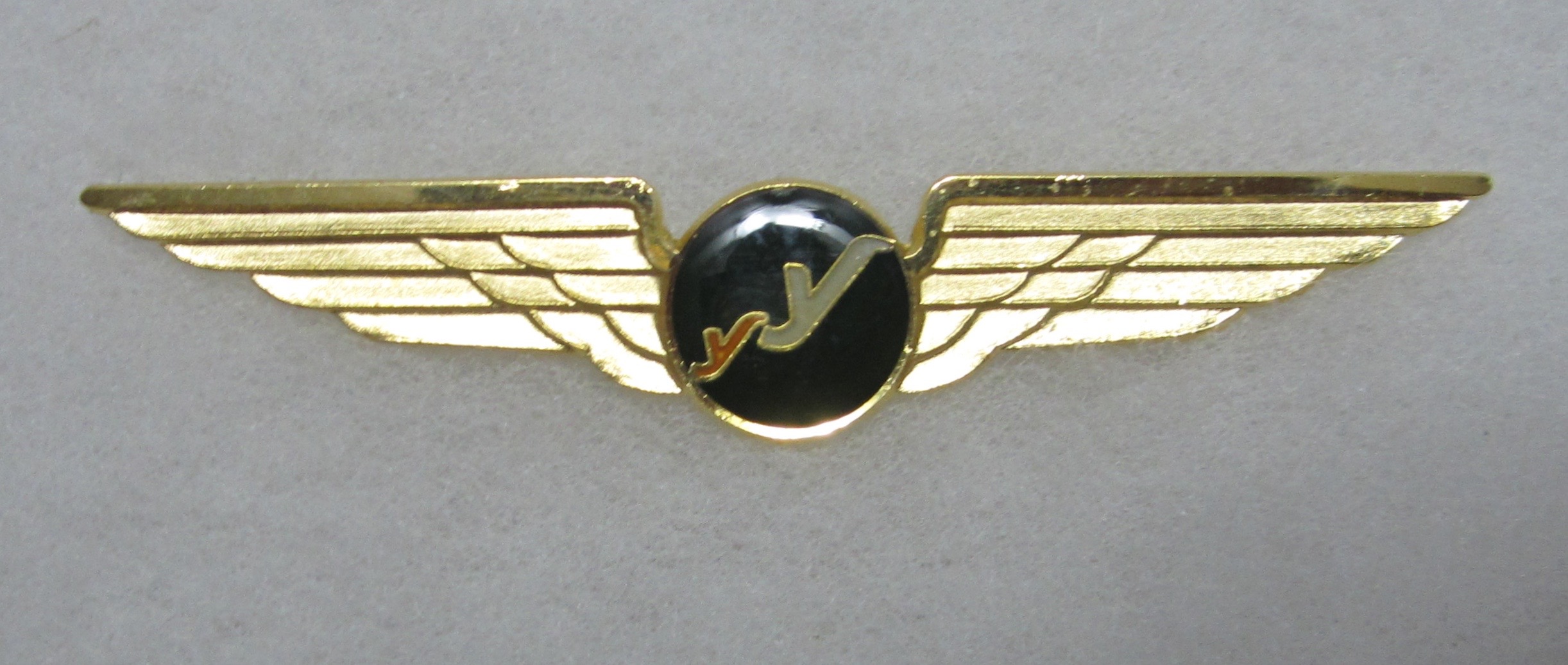
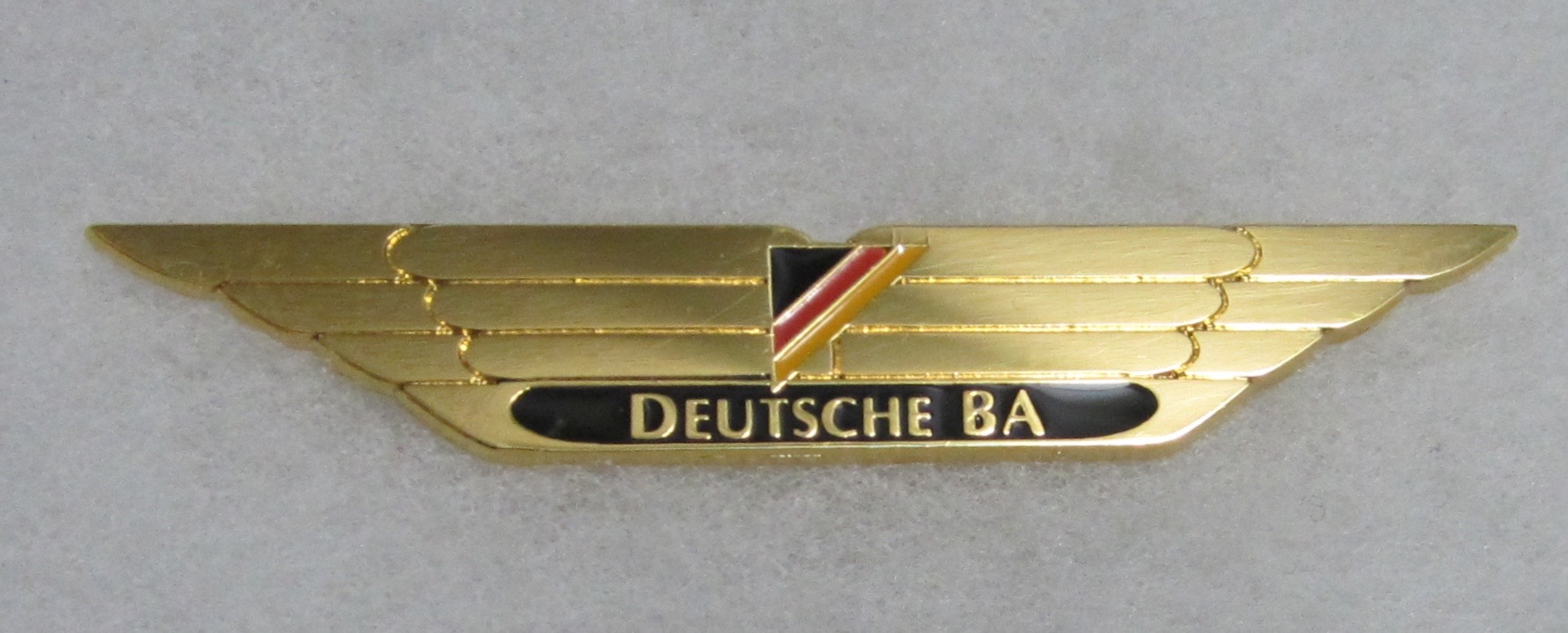
Deutsche BA DZ BAG 1992 – 2008

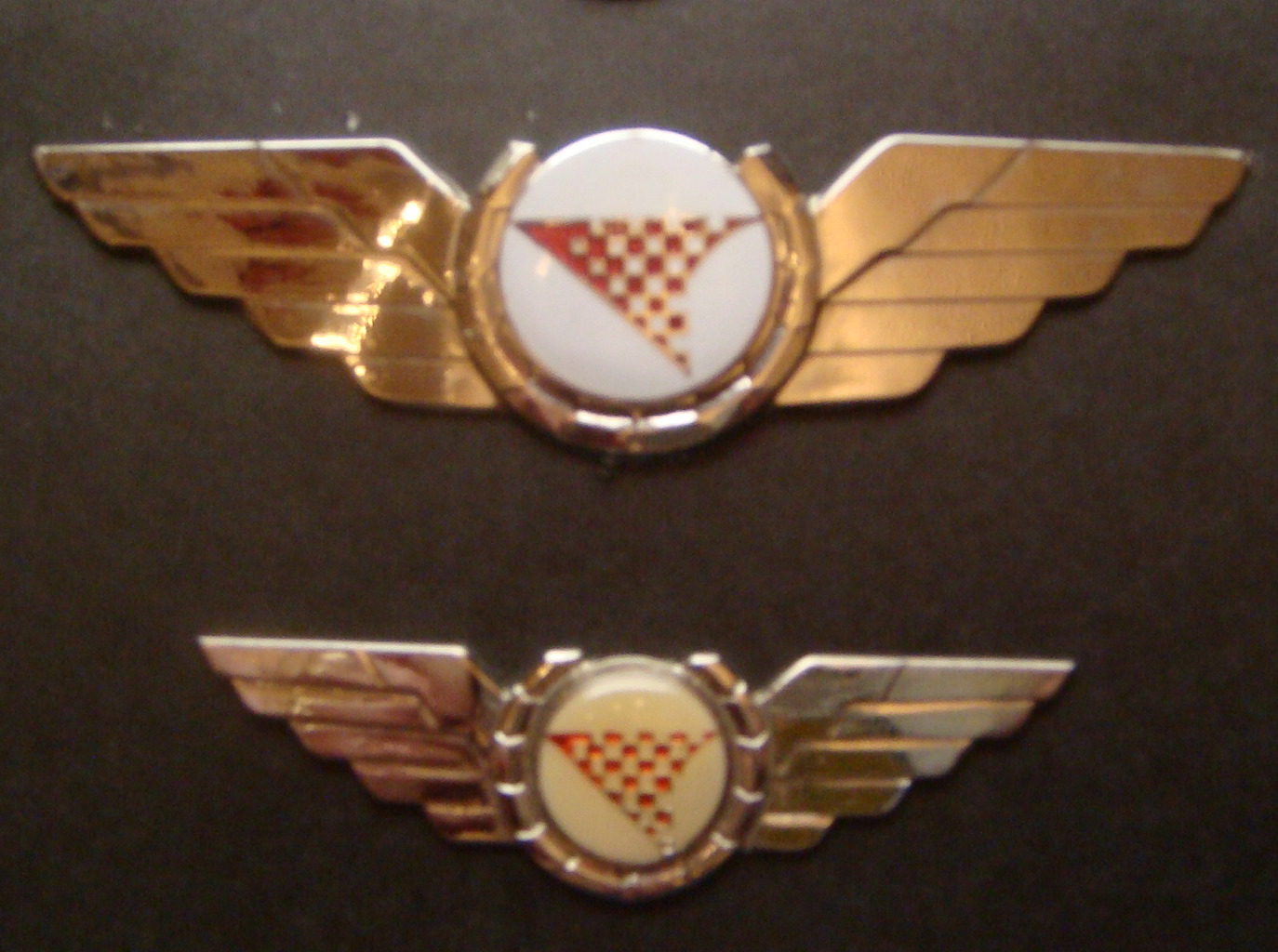
D L T CL CLH 1952 – 1998 Now Cityline of DLH

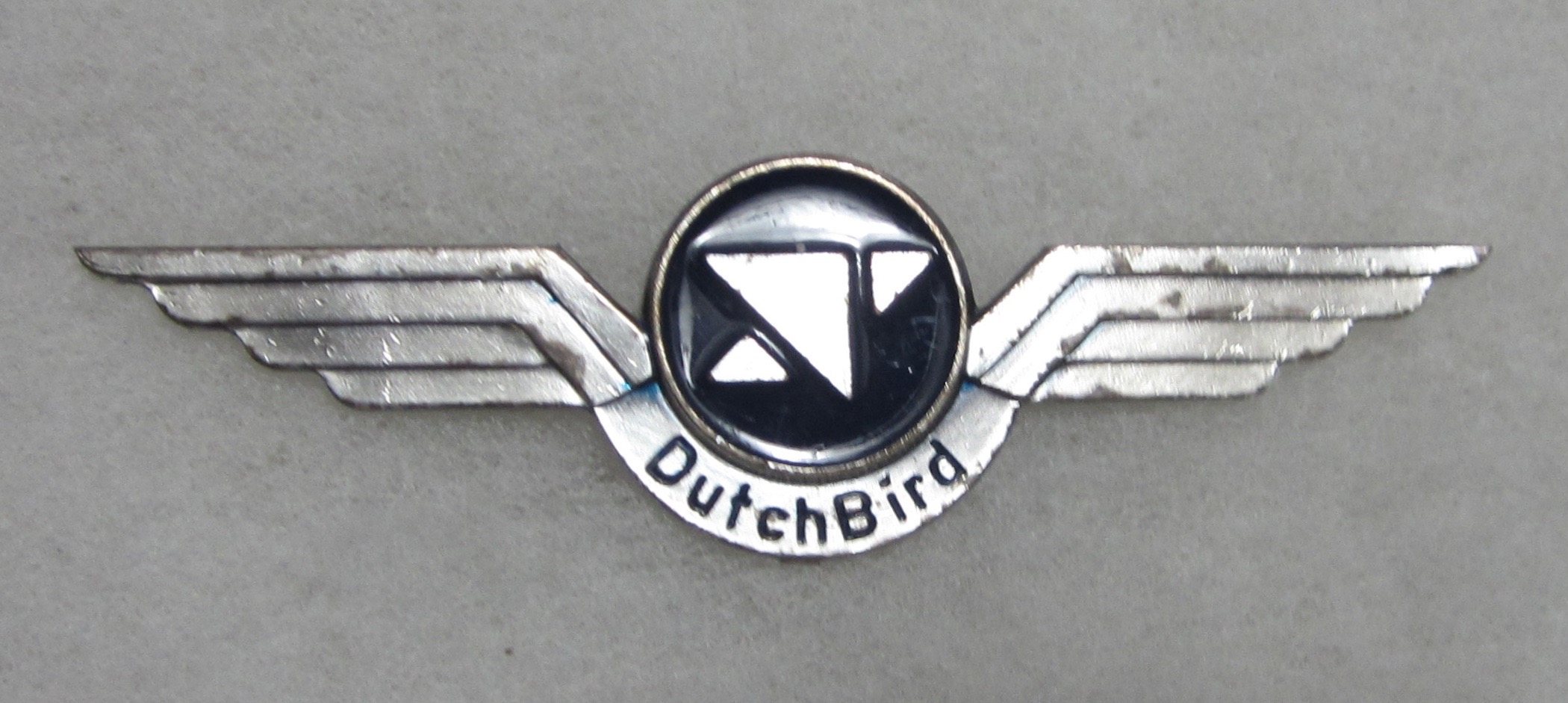
DutchBird 5D DBR 2000 – 2004

Finnair AY FIN 1923 (as Aero O/Y) – present

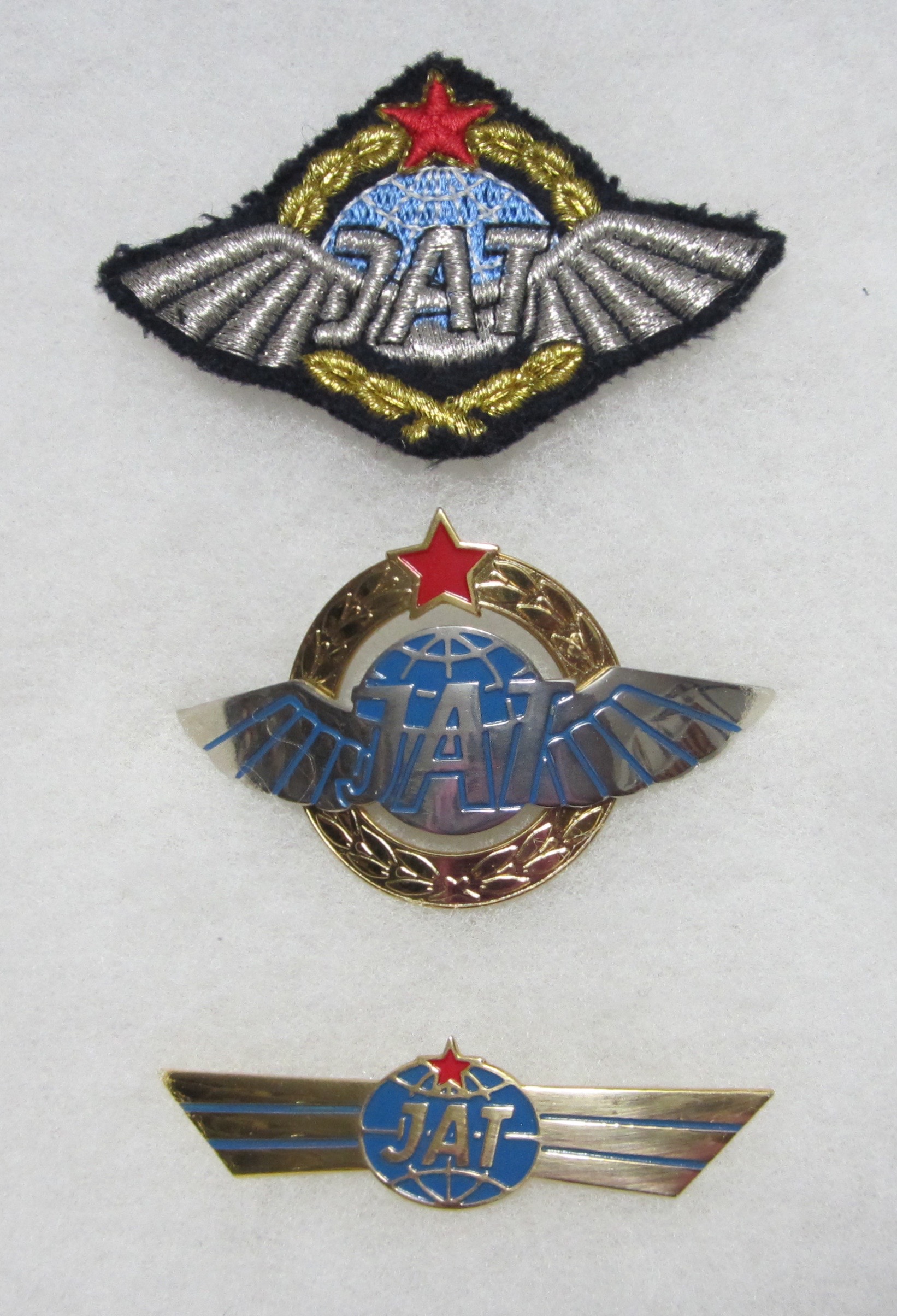
JAT Jugoslovenski Aerotransport JU JAT 1947 – 2013 Now Air Serbia

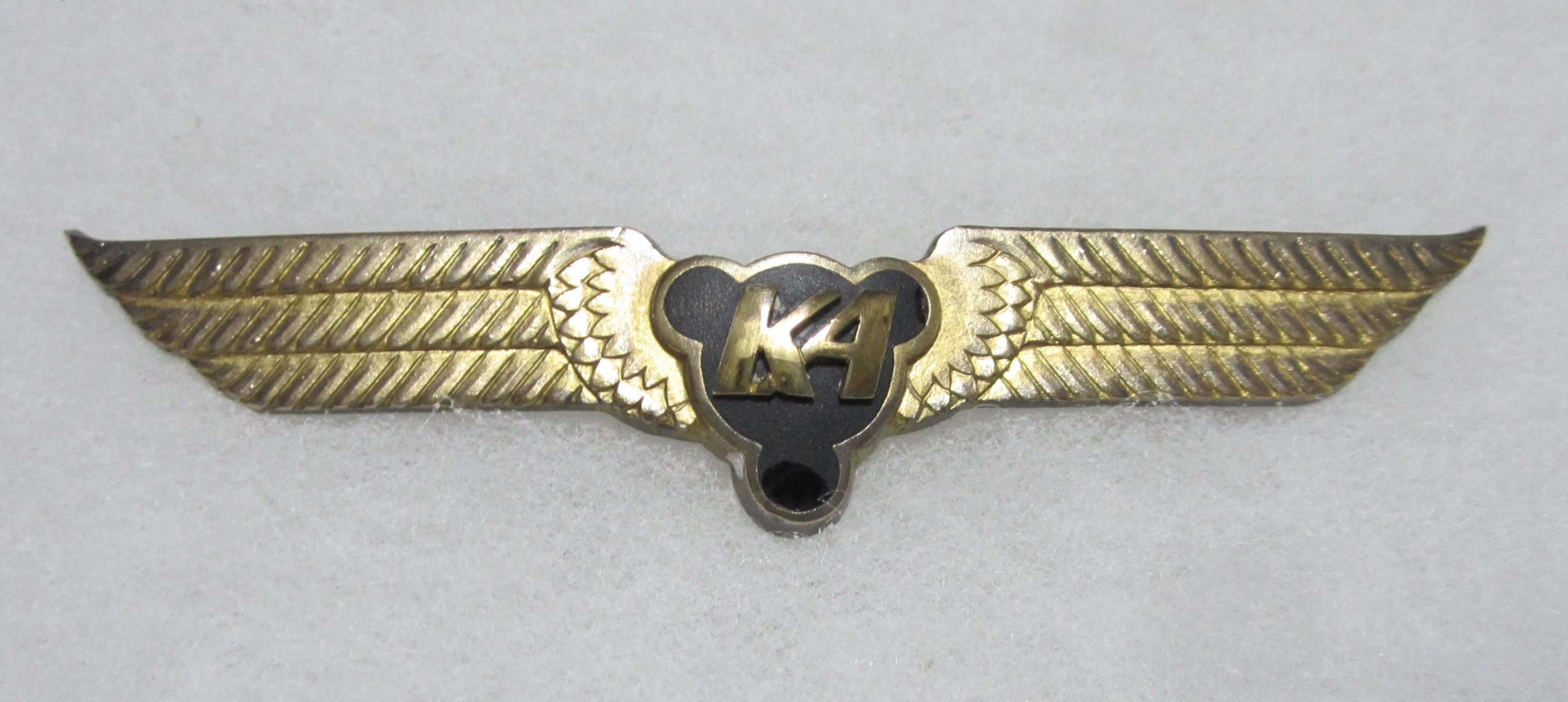
Kar Air (Finland) KR KAR 1947 – 1996 To Finnair

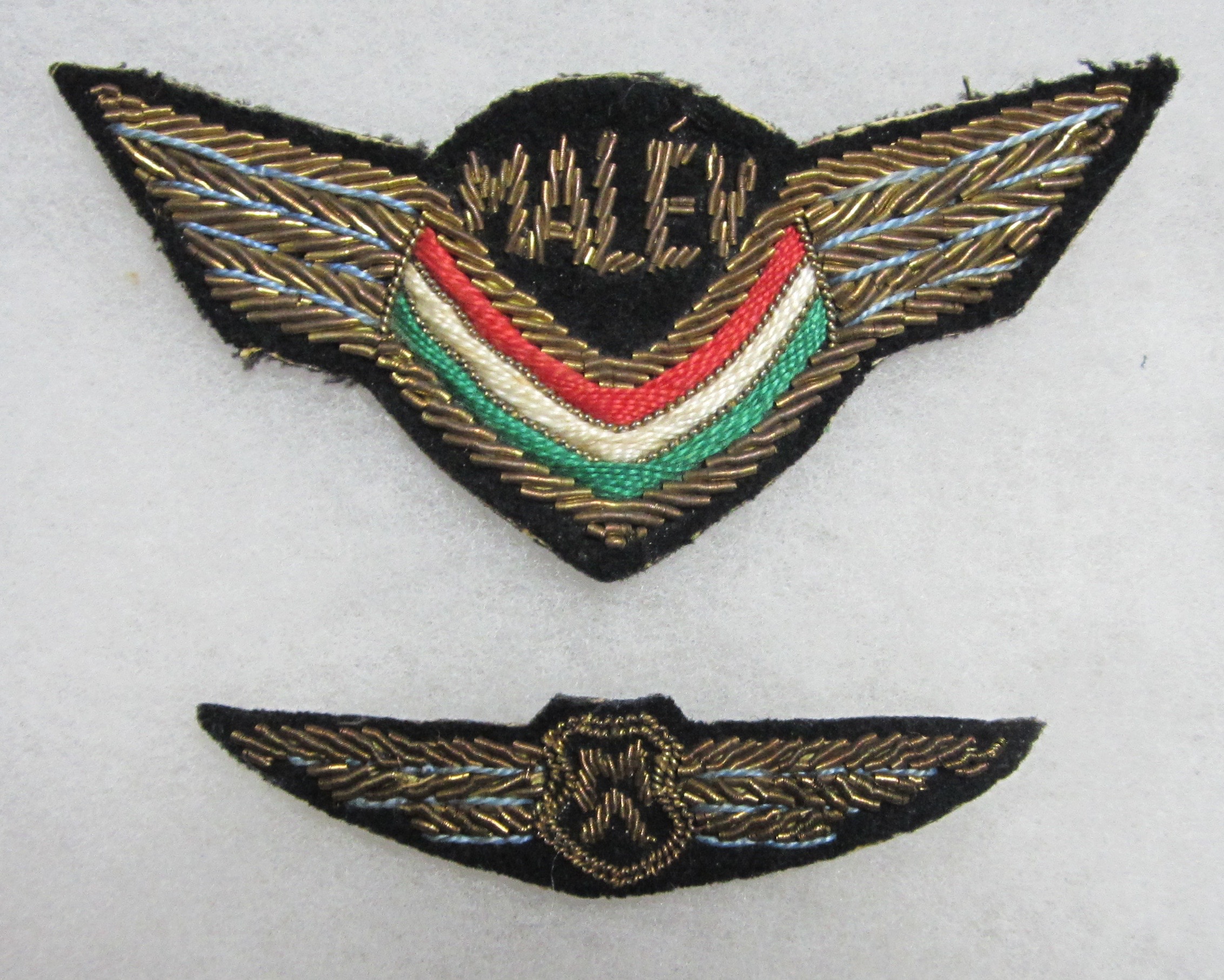
Malev Hungarian Airlines MA MAH 1954 -2012

Sobelair(Belgium) Q7 SLR 1946 – 2004

Spantax Spanish Air Taxi Lineas Aereas S.A. SZ BSX 1959 – 1988

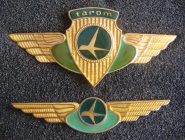
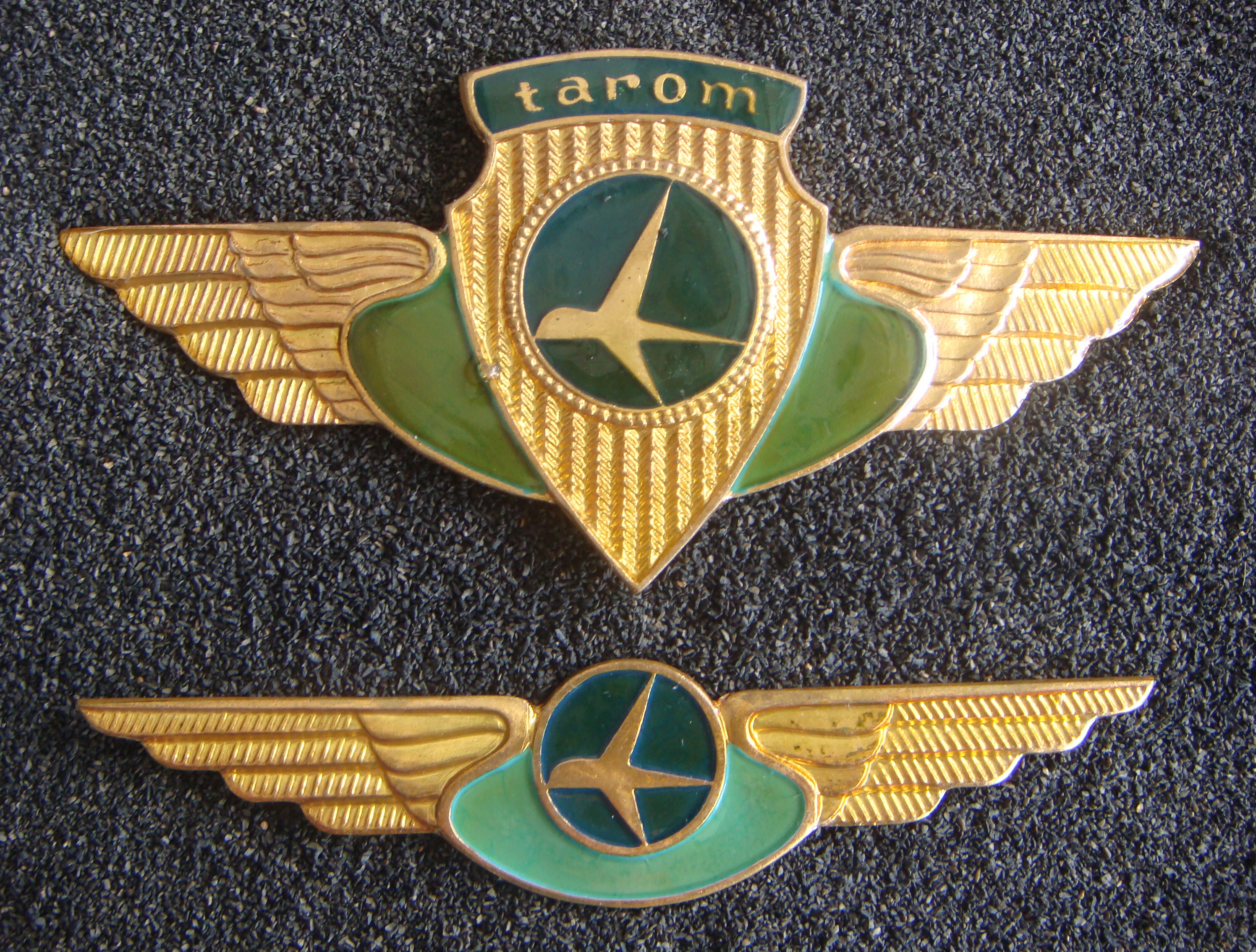
Tarom (Romania) RO ROT 1954 – present

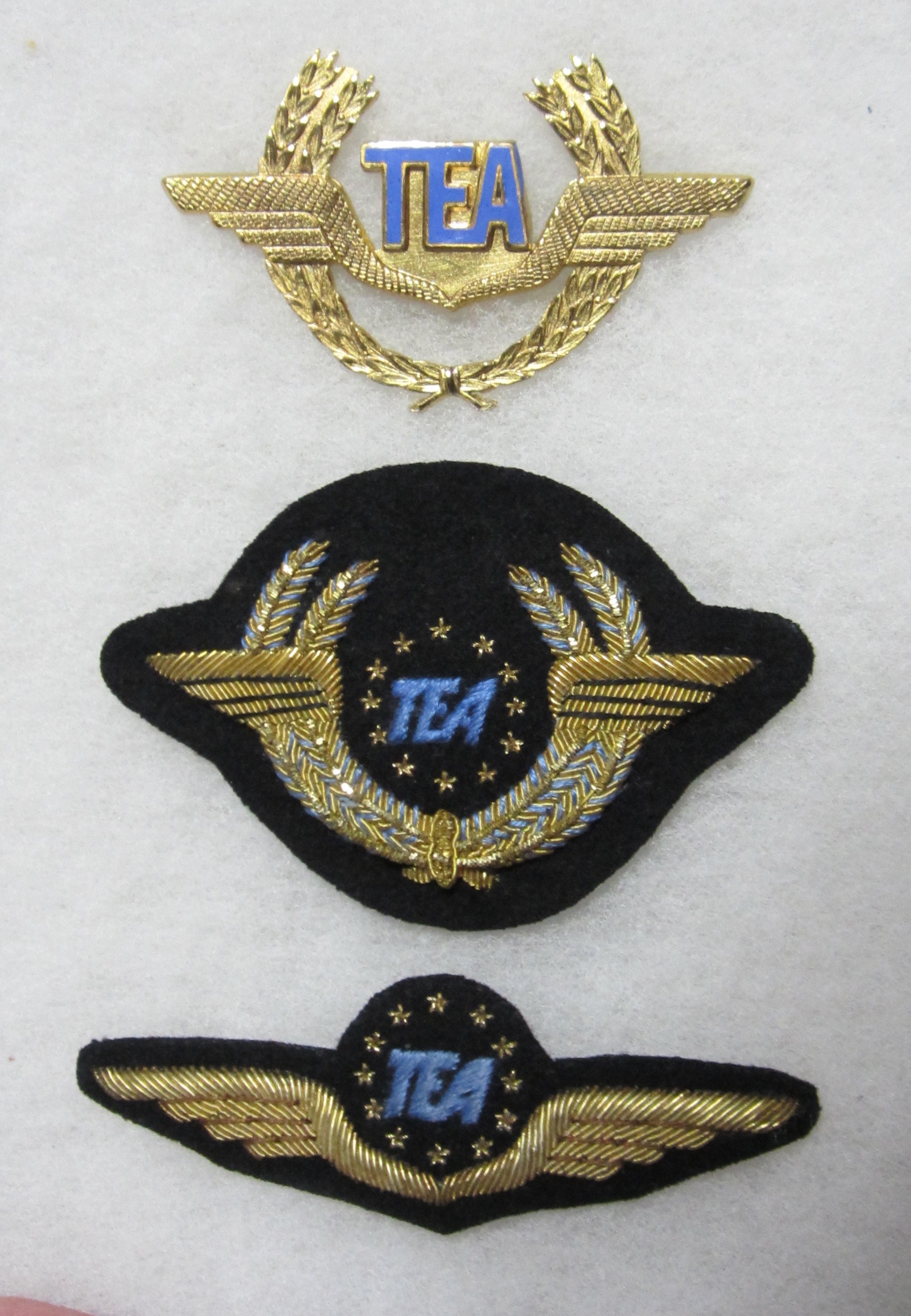
T E A Trans European Airways HE TEA 1971 – 1991

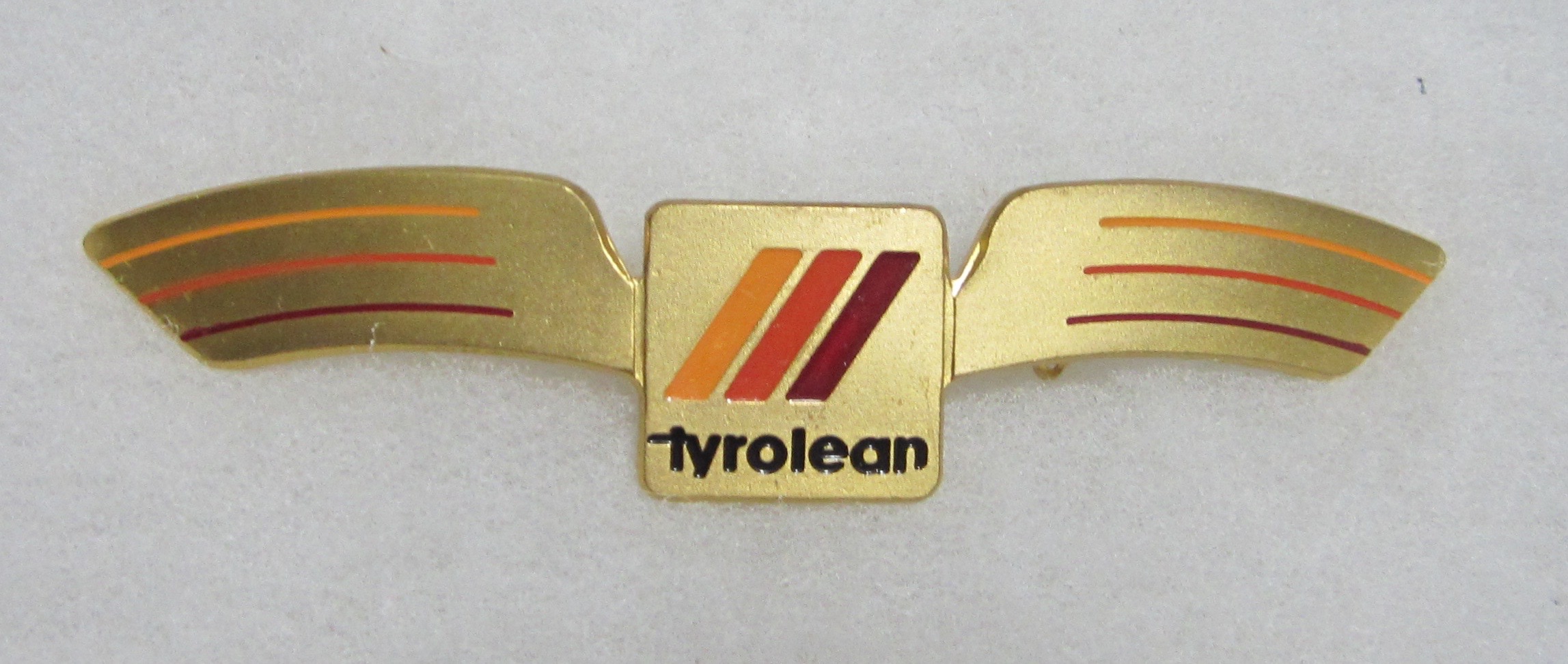
Tyrolean Airways VO TYR 1980 – 2015 To Austrian Airlines

Continue Reading No Comments

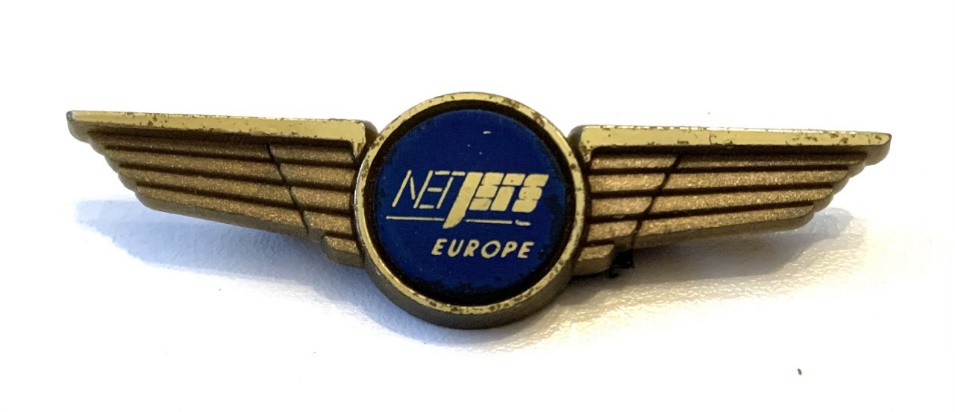
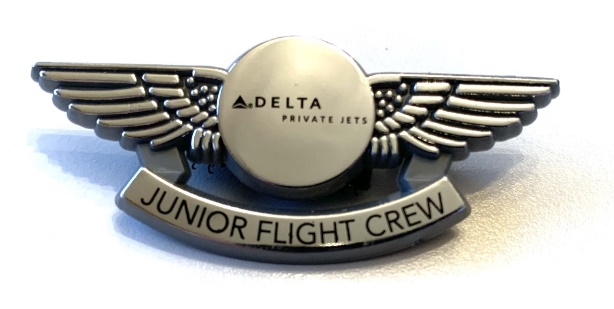
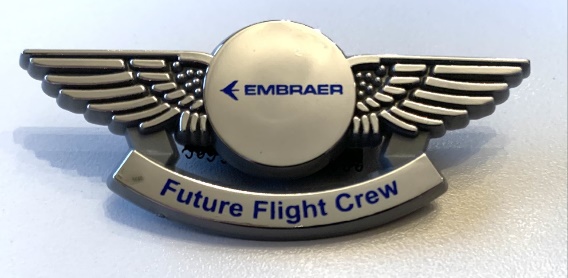
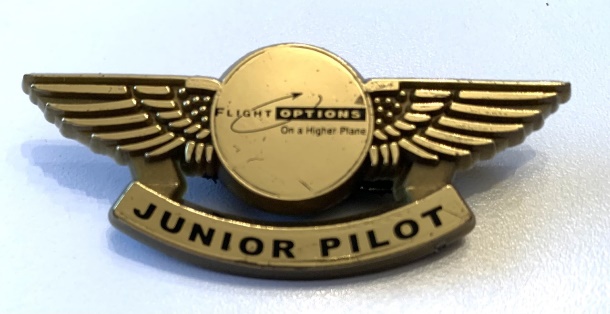
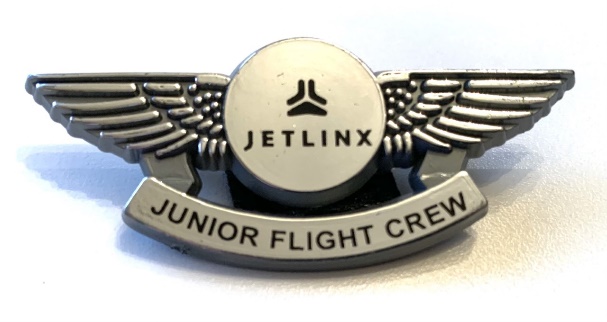
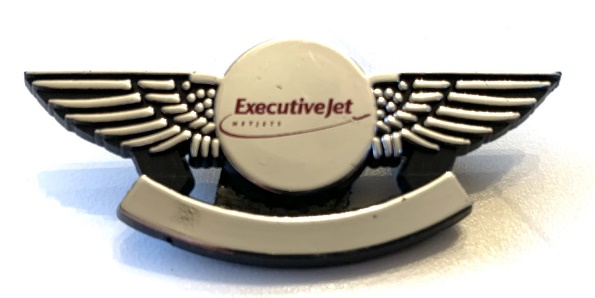
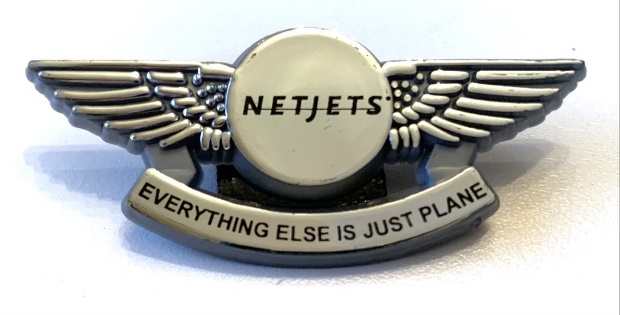
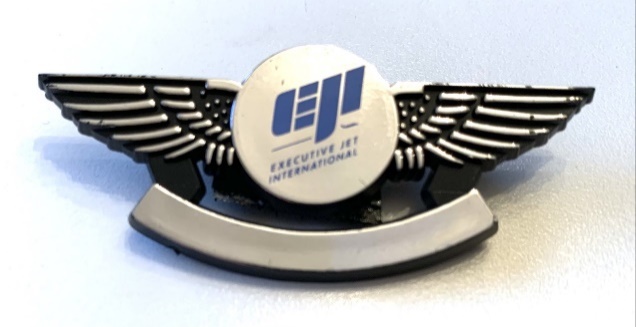
Collector Alert – Fake Junior Wings

Written by Lane Kranz

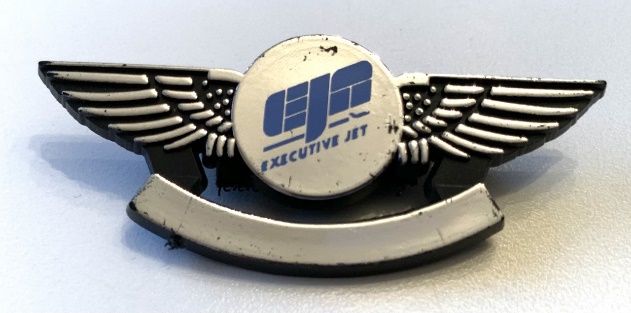
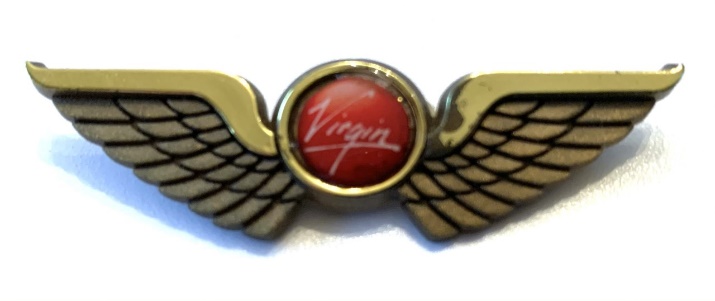
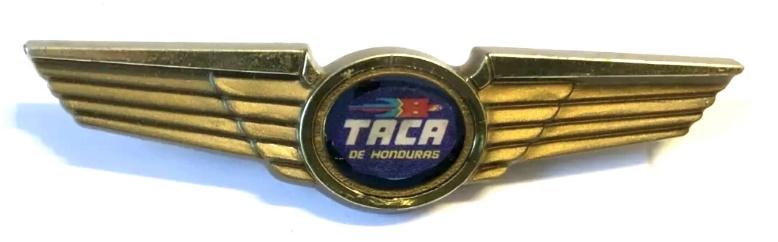
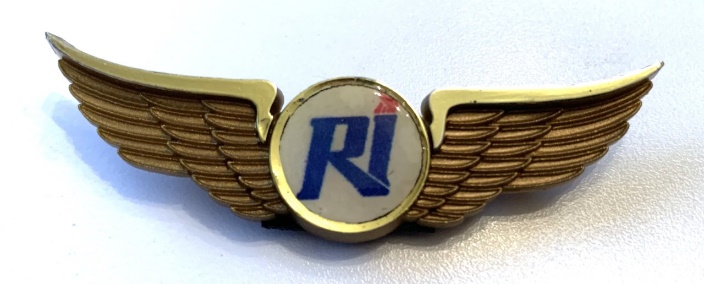
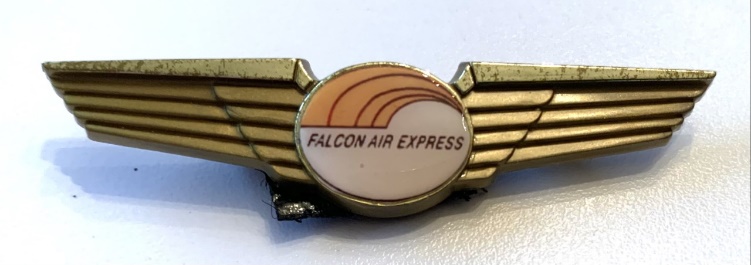
With the popularity of online shopping we have seen a rise in fake merchandise on websites such as eBay.  Unfortunately, our little collectors’ niche is not immune to this trend.  I recently saw a few of these wings sold on eBay for very high prices and was very upset.  I wanted to share the 4 known Fake Junior Wings with you in hopes of preventing these wings from ending up in your collections.

As of this writing, there are 4 known Fake Junior Wings:  Virgin Atlantic, TACA, Rich International and Falcon Air Express.  Each of these wings appears to be a junior wing from another airline that has a laser printed logo placed in the center with a clear epoxy resin applied over the top.  Buyer beware—these are fakes.   Thanks for reading and for collecting real junior wings!
Continue Reading No Comments

The Plane that Smiled Back

Written by Emma Rasmussen

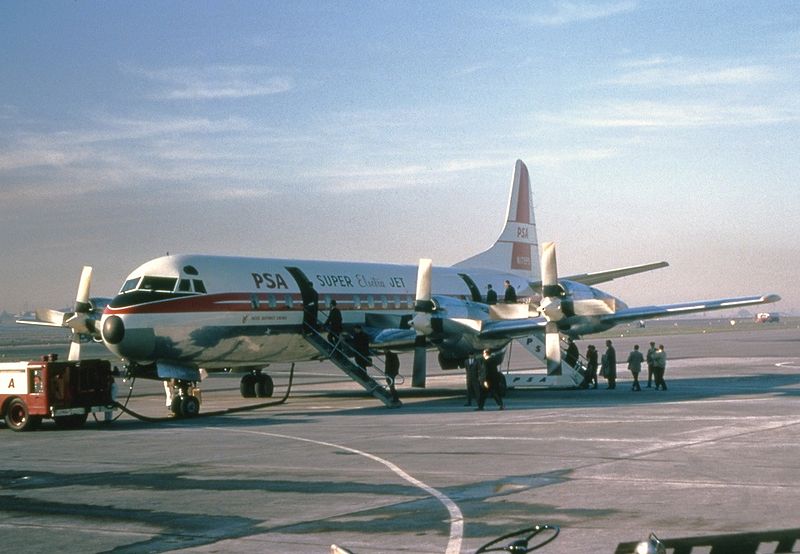
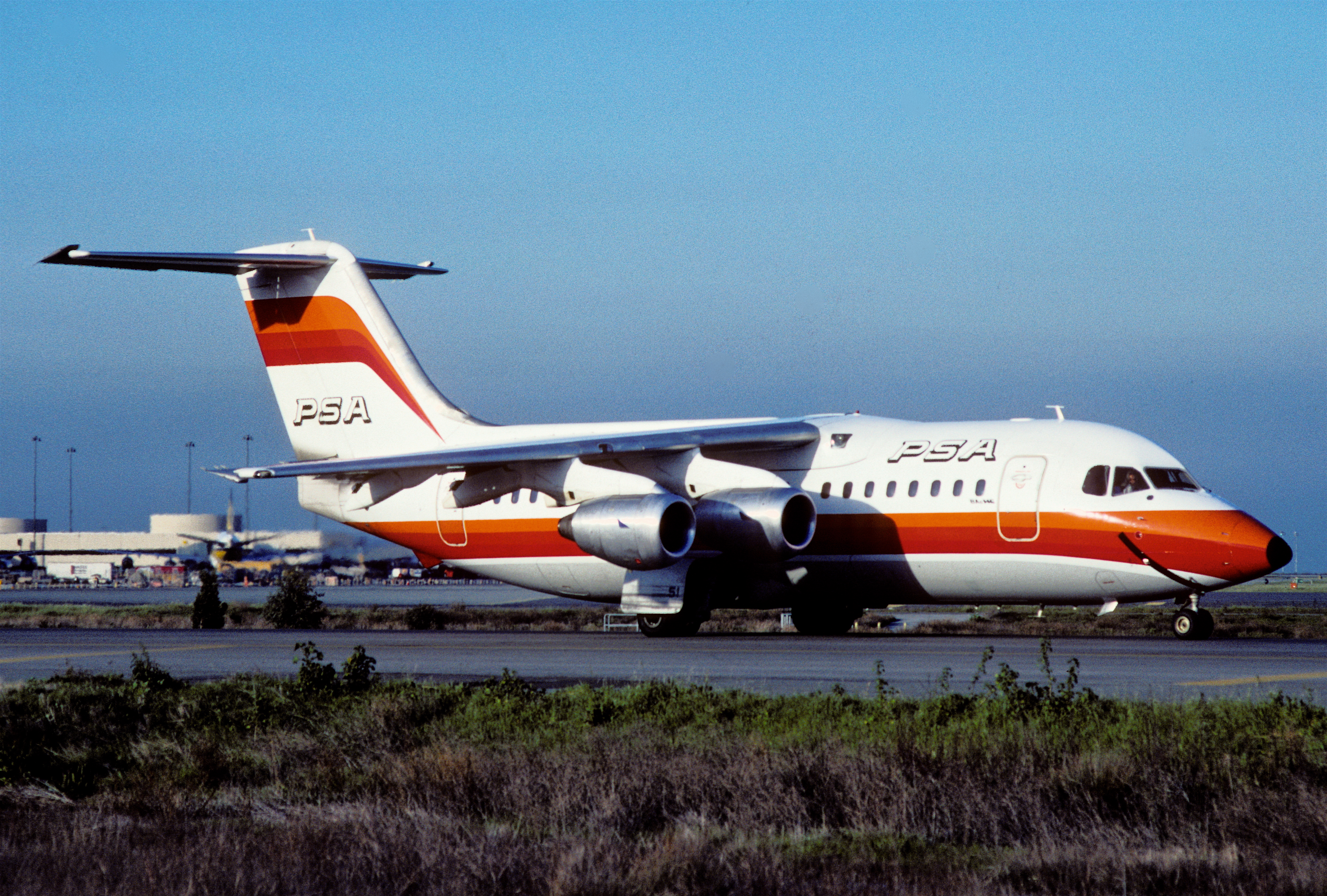
Few airlines in the twenty-first century can provide the same friendly allure that the airlines of decades past once exuded. One such example of this seemingly forgotten vibrance and zeal is Pacific Southwest Airlines (PSA). Sporting an iconic “smile” on the noses of their aircraft, it is hardly any wonder their slogan was “The World’s Friendliest Airline.” Throughout the 1970s and 1980s, their smiley airliners, adorned with colorful cheatlines, proudly served the state of California. Headquartered in San Diego, PSA became the way to fly in the Golden State.

PSA’s humble beginnings can be traced back to the years immediately following World War II. Kenny Friedkin, an American aviator, and businessman founded the airline and set the tone for its colorful culture. Friedkin had previously attempted to start an airline known as “Friedkin Airlines,” but this venture failed. PSA was his second and successful attempt. Friedkin’s new airline began offering a weekly round-trip flight from San Diego to Oakland and Burbank. A single DC-3 was leased for $1,000 USD per month.

By the 1950s, PSA’s fleet had grown and been modernized. Friedkin replaced his DC-3s with DC-4s, and painted rectangles around the windows so they more closely resembled the newer DC-6 (which had rectangular windows). At the end of the 1950s, the operation had evolved. An average of 37 flights across California were conducted, with a fare of $9.99 USD. When larger Lockheed L-188 Electra’s joined the fleet PSA instantly overtook its competitors by carrying more passengers between Los Angeles and the Bay Area than any other airline. PSA’s fleet would become even more advanced with the introduction of the Jet Age.

Between 1965 and 1970, PSA took delivery of several new Boeing and Douglas jet airliners, replacing its fleet of propeller aircraft. Between 1974 and 1975, PSA operated two Lockheed L-1011 Tristars. The operation of this twin-aisle airliner would make PSA the only intrastate airline to operate a wide-body airliner. The Tristar was particularly unique for PSA at the time, as it featured a luxurious lower deck lounge. Despite these major fleet updates, PSA was faced with stiff competition from Air California (later “AirCal”), it’s fellow Golden State intrastate airline and largest rival.

PSA and Air California operated the few remaining Lockheed Electra’s in their fleet (in PSA’s case L-188’s that were re-purchased after its original Electra’s was retired) to provide flights into Lake Tahoe Airport, which had a jet ban until the 1980s. PSA retired it’s Electras, as did Air California when the jet ban was lifted. PSA never returned to this hot destination, but AirCal recommenced flights with all new McDonnell Douglas MD-80s and Boeing 737-300s. PSA focused on expanding its business model to other neighboring states after the Airline Deregulation Act of 1978 took effect. AirCal soon followed suit.

PSA’s new pastures included Albuquerque, Phoenix, Tucson, Reno, Las Vegas, and Salt Lake City. The maturing airline installed automated ticketing and check-in machines at its various destinations. PSA had planned to expand further east through the purchase of assets from Braniff International Airways, a struggling Texan airline. Unfortunately, this transaction did not come to pass, and PSA expanded to Idaho, the Pacific North West, and small under-served airports throughout California. The introduction of the BAe-146 in the early 1980s enabled PSA to expand within California.

One can attribute PSA’s success to their affordable intrastate business model, which Southwest Airlines later pursued upon its own founding. However, it is important to note that PSA had a pleasurable company culture that made it unique. Friedkin, the airline’s founder, was known for his laid-back attire and assortment of Hawaiian shirts. Management encouraged crew members to joke with passengers and provide extravagant customer service. The airline introduced flamboyant, yet flattering uniforms for their stewardesses, which matched the airline’s branding. PSA’s corporate culture inspired Herb Kelleher, the founder of Southwest Airlines. Kelleher implemented many of PSA’s innovations in his own airline after ample studying.

Today, PSA’s legacy lives on as a nostalgia livery for American Airlines and the inspiration for Southwest Airlines. In 1988, PSA completed its merger with USAir, which eventually became US Airways. By the mid-1990s, PSA’s original route network had completely ceased to exist within USAir. After several more airline mergers, PSA eventually found a place in American Airlines’ heritage. PSA may no longer exist, but it remains a colorful part of aviation’s extensive and storied history.

Originally published in Horizons – Embry Riddle Aeronautical University

Photos  from the Jon Proctor collection & WikiMediaCommons

Continue Reading 2 Comments

Book Review: Aircraft Display Model Collector Investor and Appraisal Guide

Aircraft Display Model Collector Investor and Appraisal Guide

By Henry Tenby
Self-published
ISBN 9781926714011
163 Pages

Review by Shea Oakley

I have been collecting airliner models since I was old enough to point up at the sky and say “plane.” That is about 50 years. During this time a precious few of them have been what I always called “airline ticket office” or “travel agency” models. These were the kind of big replicas I remembered from the 1970’s. In those early childhood days, my dad and I would walk down Fifth Avenue in New York City once a year so I could collect ticket folders from the often beautifully appointed ticket offices which, for a long time, lined that street representing every major world airline. I also remember seeing these models in other places, as in the case of an unbelievably huge National Airlines 747 “cutaway” example that sat in the ticketing lobby of their JFK “Sundrome” terminal during that same decade.
While I have collected everything from 1/600th to 1/24th scale airliners in my time, I always knew that these special models were truly in a class by themselves.

Now a physically impressive new paperback book from Henry Tenby, a major collector and true expert on these types of replicas, for the first time gives us not only a comprehensive history of all the makers of “professional aircraft display models” but also a very useful price guide and great general overview of this important segment of the airline enthusiast hobby. His self-published work does so with 162 pages of images that are virtually all color-printed on excellent heavy-stock glossy paper. Photographically this volume is a beauty to behold, in terms of content it is a pleasure to read.

The Vancouver, Canada-based Tenby started collecting in 1988 after visiting Brazil to chronicle the late, great Varig’s legendary “Ponte Area” Lockheed Electra shuttle operation as a reporter for the former “Airliners Magazine.” At the end of his interviews with the Brazilian flag carrier’s executives he was presented with a new 1/100th model of an Electra produced by one of the major players in the field of display models built for airline promotional use, Vogelaar. In his own words “from this point forward the author was perpetually hooked.”
Today Tenby, along with some other familiar, long-known names in the hobby, including Anthony Lawler, David Marx and Dr. Charles Quarles, is one of a small group of collectors who have large collections of these often extremely valuable models. I had the pleasure and rare privilege of visiting one of these collections at the home of its owner last January. In fact that is where I first encountered a copy of this book.

Since the rarest of these pieces can fetch as much as five figures for a single example; this segment is among the most “upscale” in the world of airline collecting and most of us cannot afford more than a few of them (at least without taking out a second mortgage!)  For instance, your reviewer currently has just six models that would qualify as professional aircraft display models by the author’s well-thought out standards.
While not inexpensive (no high-quality illustrated book this size is these days) I highly recommend Tenby’s work for anyone who has had more than a passing interest on this subject. It is rare to find a book that is both chockful of useful and engaging content yet could be proudly displayed on any true airline enthusiast’s coffee table. In my opinion this one definitely qualifies!

There is very little to criticize in Aircraft Display Model Collector Investor and Appraisal Guide. There are a fair number of minor typos that slightly detract from the reading experience. The book ends with some mouth-watering selected photos from some of the largest collections of these replicas in the world. I might have enjoyed a few more photos from them, but the book is self-published and paying for the reproduction of color photos in a book of this quality cannot be cheap! We can certainly be grateful that these collectors were willing to work with Tenby to the degree they did, as I have seen very few glimpses of such collections in my over 25 years in the “official” airline collecting hobby.
So, to sum up, this one is truly a keeper. I can tell you that my personal copy will be treasured for many years to come. Even if you cannot afford a single professional aircraft display model for your own “fleet” this book provides a way to vicariously enjoy hundreds of them!

Availability: Copies of this book can be ordered directly from the author’s website, www.aircraftdisplaymodels.com, for US $36.95 each (plus postage from Canada).

Continue Reading 1 Comment

New Junior Wings in 2020

Written by Lane Kranz

Despite the ongoing pandemic and resulting crisis on the travel industry, several new Junior Wings have appeared in 2020.  Each of these are airline issued and will make beautiful additions to your collections.
This is the current issue American Airlines junior wing. 

This is believed to be a prototype wing in full color made for American, frequently seen on eBay.
Top – This is the new Delta Air Lines Flight Attendant junior wing. This wing is gold and replaces the silver junior wing.
Bottom – This is the current Delta Airlines Pilot junior wing (not new) shown due to similarity to the new Flight Attendant junior wing.
Alaska Airlines has issued a new Junior Wing. This wing is nearly identical to the previous issue, except for the unique back. It uses a magnet instead of a pin to attach to clothing. Many thanks to fellow collector Bryan Mellon for identifying this new wing!

Continue Reading 1 Comment

World Airline Historical Society, Inc.
PO Box 13693, Tampa, FL 33681-3693 USA
Contact Us

Archives

Copyright © 1975-2025 World Airline Historical Society, Inc.

Read our Privacy Policy