Posts Tagged ‘Fokker’

Air Cortez,airline pilot,F.27,F27,Fokker,Furlough,Pilgrim Airlines,Rolls-Royce
Turboprops, Round Six: Rolls-Royce

By Ellis M. Chernoff

It turns out 1984 still had more in store for me. Following the sudden shutdown of ConnectAir, I needed to find employment quickly.

Pilgrim Airlines in New Groton, CT, was looking to hire a captain, and I held a type rating in the F.27. I got an airline ticket to New York La Guardia Airport, where a pass was waiting for me at the Pilgrim Airlines ticket counter for a ride to Groton-New London, CT. This was my first flight on a Twin Otter.

In addition to the de Havilland DHC-6-100 fleet, Pilgrim also operated several early production Fokker F27-100 aircraft. The cockpits of these were different than the Fairchilds I had been flying, but that was of little concern. Also, the Rolls-Royce RDa-6 Darts were lower power than the RDa-7 versions I had been operating. Neither was an immediate issue since my type rating covered all versions.

When I arrived, the chief pilot was out flying the line. I was invited to self-tour the maintenance hangar and anything else I wanted to see while I waited for the evening flights to arrive, when I would be able to meet the chief pilot. I was impressed with the maintenance department; everything looked well-maintained and professionally run. However, as each flight arrived at the end of the day, each crew removed their insignia and proceeded to the airport terminal bar. Chart bags were lined up at the entrance, and all of the pilots gathered for drinks and hangar talk. This included the chief pilot. Clearly, this was a daily ritual. It struck me as less than professional for a whole bunch of pilots to hang out in the airport terminal bar drinking in uniform, albeit sans rank insignia.
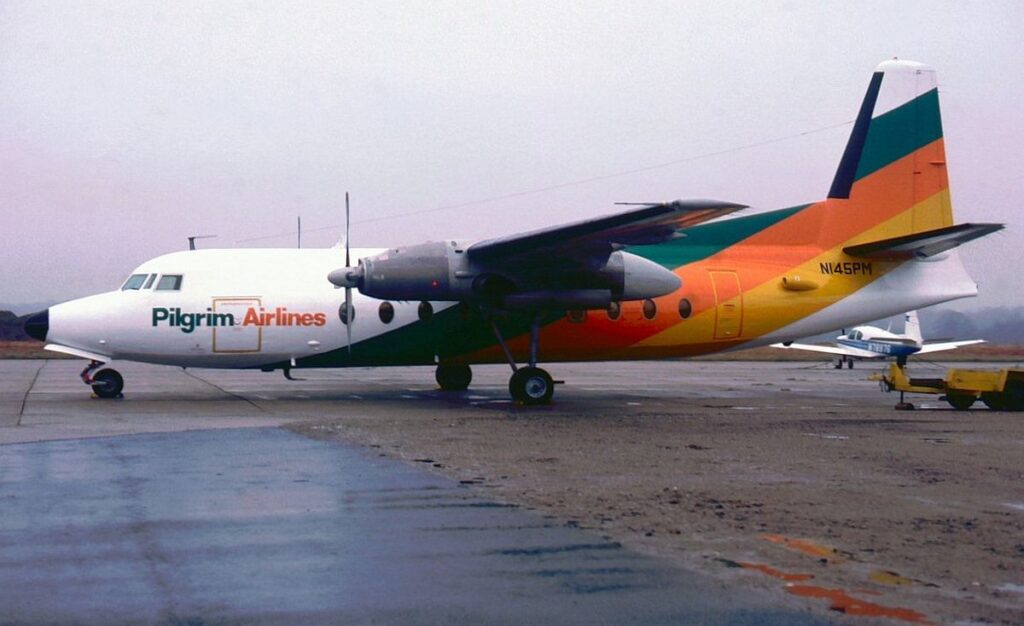
Pilgrim Fokker F27-100, N145PM, seen at Groton-New London Airport, CT, in November 1984. Pilgrim used these vintage but well-maintained Fokker F27-100 series in scheduled service on the East Coast. Pilgrim operated the only Mk100 series in the USA. Engines were Rolls-Royce RDa6 Darts.
Ellis M Chernoff Photo.

The following morning, I had my interview with the chief pilot and rode jumpseat on a round-trip flight to Washington National Airport. The flight operation was professional enough, but the overall impression I got was that this was a loose operation that I didn’t care to move all the way across the country to join. I respectfully declined the employment offer and got a pass to return to California.

Soon after I arrived home, another F.27 position presented itself. This was with Air Cortez International. I had been familiar with this firm when they were operating Beech 18s and other light twins out of Ontario Airport. However, now they were operating from Las Vegas. When I went to interview with the Director of Operations, I was surprised that they were looking to hire a captain off the street. They had planes and first officers, but most of their captains were gone. The other thing that had changed was that while they set up operations in Las Vegas to fly tourists over the Grand Canyon, that business had dried up. The planes were stripped of their passenger accommodations and were now flying cargo on behalf of UPS.

I had many questions about their operations specifications, procedures, and manuals, but those were deflected and deferred until I met with the chief pilot who was flying the line out of Dallas. I was given a ticket to go there, and the following morning, I met the guy who would accompany me on a scheduled run to San Antonio while he gave me my line check-ride. I was shocked to find that there were at least four different printed checklists in the cockpit. All different.

In preparation for the walk-around inspection of the plane and preparation of the takeoff performance, I asked about the quantity of water-methanol on board. The chief pilot didn’t have an answer to that question. In all of my prior F-27 flying, water-methanol was used for nearly every takeoff.
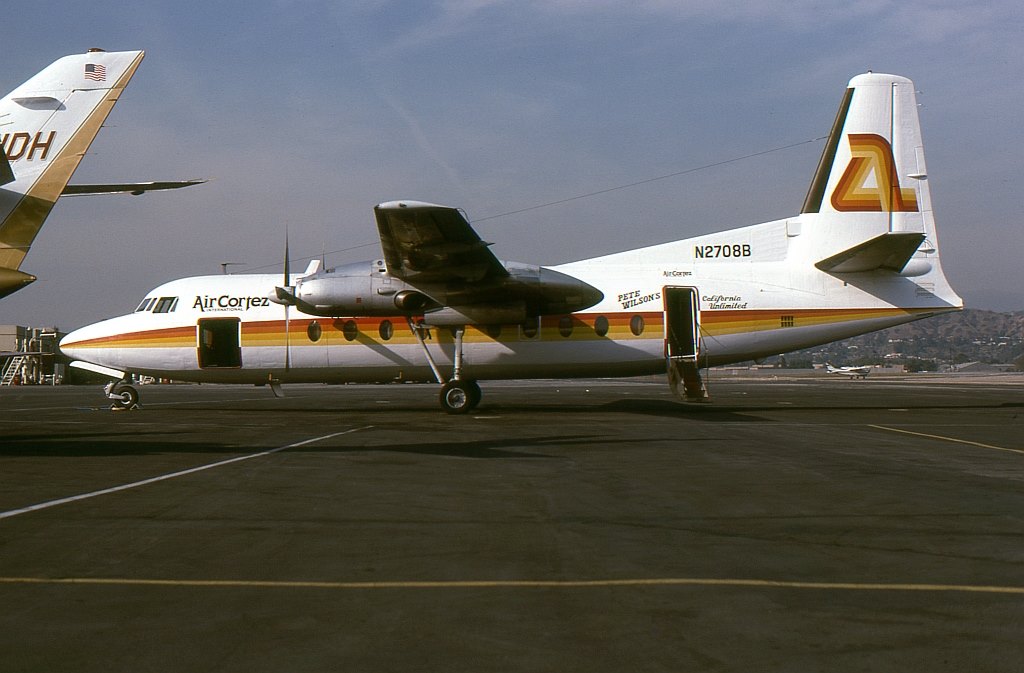
Air Cortez Fairchild F-27A, N2708B on Oct. 29, 1982, in Burbank, CA.
Photographer: J. Kauppinen. Gary C. Orlando Slide Collection.

The cargo was loaded by UPS personnel, and I was given the total weight of the cargo loaded. However, there was no information about how it was distributed, and the weight and balance document had only a single place to enter this vital information. So it was assumed that it would be evenly distributed. But this is contrary to acceptable preflight preparation. As expected, the acceleration down the runway was sluggish, but even more than I anticipated with the un-augmented power. The climb performance was equally poor. Arriving in San Antonio, I requested that UPS weigh the offloaded cargo as I suspected that it weighed more than they had documented out of Dallas. UPS refused to do the offload scaled weighing.

The return flight in the evening was similar to what was experienced in the morning, although I paid closer attention to the cargo weighing and loading. At the end of the day, I was signed off and good to assume regular scheduled flights for the remainder of the week. The next morning, I was met by a first officer who also didn’t seem to know anything about water-methanol injection. He conducted the preflight inspection while I supervised the cargo loading. The flight to San Antonio was routine. However, upon arriving at the ramp, there were several men in suits to meet this flight.

Even before the props had come to a stop, they had opened the cargo door and came into the cockpit, making demands. I told them they could exit the plane, and I would meet with them as soon as I had completed the post-flight checklists and briefed my first officer. These men were an FAA SWAT team of inspectors who demanded the flight manifest, maintenance documents, checklists, and, of course, my certificates. Evidently, this sting operation was weeks in the planning, and I was unlucky enough to be the Pilot In Command today. They claimed the Air Cortez checklists, weight and balance procedures, cargo tie-down hardware, and more were not approved, and the intention was to execute an emergency revocation of the company’s operating certificate. No wonder Air Cortez was in such a hurry to hire me and send me out on the line. Even I could see that the operation was barely adequate as a FAR-135 operation with light twins but totally inadequate as a FAR-121 carrier.

My first officer and I went to the hotel dayroom, and I started my round of phone calls. Thankfully, I had a lot of prior experience with the FAA and compliance. My honesty and credibility saved my pilot’s license. Usually, the FAA cannot take action against a company without also taking legal action against a pilot. But today, I obtained a compromise. The FAA would issue a ferry permit and allow me to return the plane empty to Dallas. It was an exhausting day, and the next day, I had an airline ticket back home.

The date was December 7; I was now on furlough. So ended 1984.
Continue Reading No Comments

airlines,F.27,Fokker,Mesaba,Northwest Airlink

The Last Mesaba Fokker F.27, Part One

By Gary C. Orlando

All photos by the author.

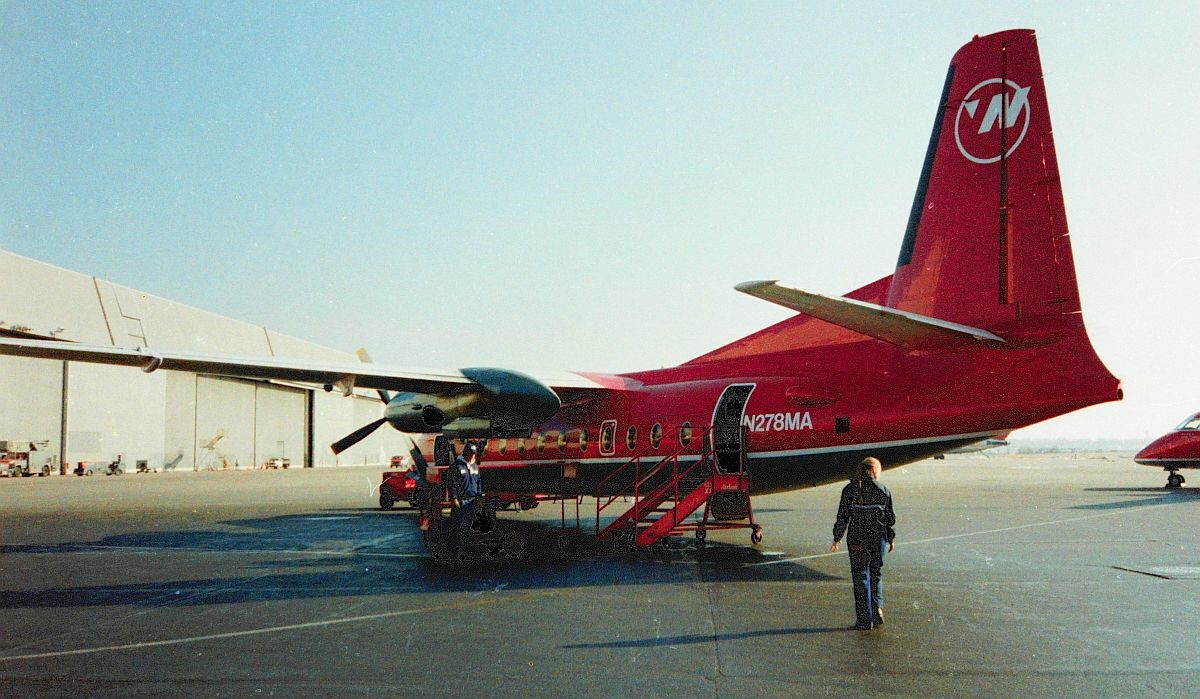
In 1994 I sadly learned Mesaba Aviation, dba Northwest Airlink, had shrunk its Fokker F.27 fleet down to just one aircraft. Their once proud fleet of 15 Fokkers had been slowly replaced with DeHaviland Dash 8-100s. Their last F.27 in the fleet was N278MA, a vintage 1965 series 200 model originally built for Ansett Australia. It flew for Ansett, Airlines of South Australia, Air Niugini, back to Ansett, and then to Luxair. Mesaba took ownership of the aircraft in November 1989. With that in mind, I aimed to fly on their last Fokker F.27.

I accomplished that feat with a flight on February 2, 1995. I flew from Rockford, IL (RFD) to Minneapolis/St. Paul (MSP) on an Express I/NW Airlink Jetstream J31. I used my travel agent pass privileges for both Express I and to fly on the Mesaba Fokker, which had a mid-afternoon flight between Minneapolis/St. Paul and Wausau/Central Wisconsin Airport (CWA).

The flight would be a quick trip over and back to “C-WAY” as the Mesaba agents called it. This would not be my last time flying ole N278MA, as later in 1995 I would be invited as a guest on its final revenue flights. I’ll share more about that trip in Part Two.

In the meantime, I hope you enjoy my photos of the roundtrip to C-WAY.

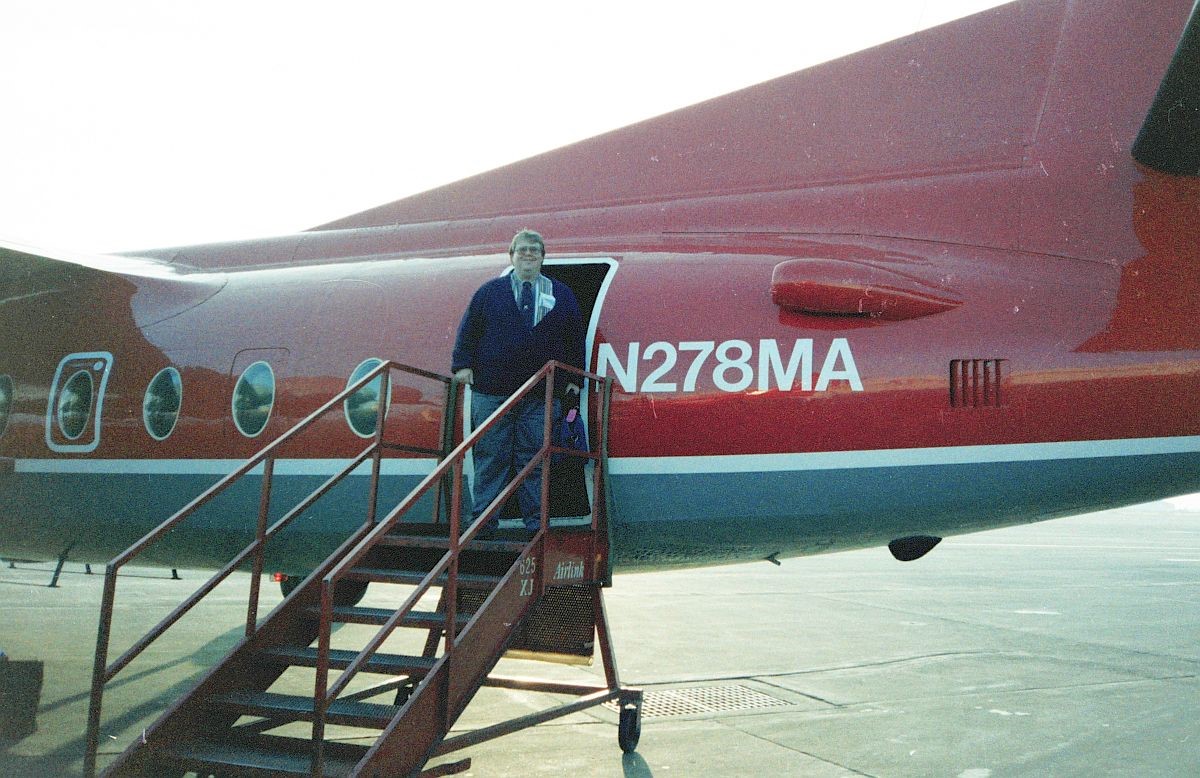
Walking out to ole N278MA for our little jaunt over to Wausau/Central Wisconsin.
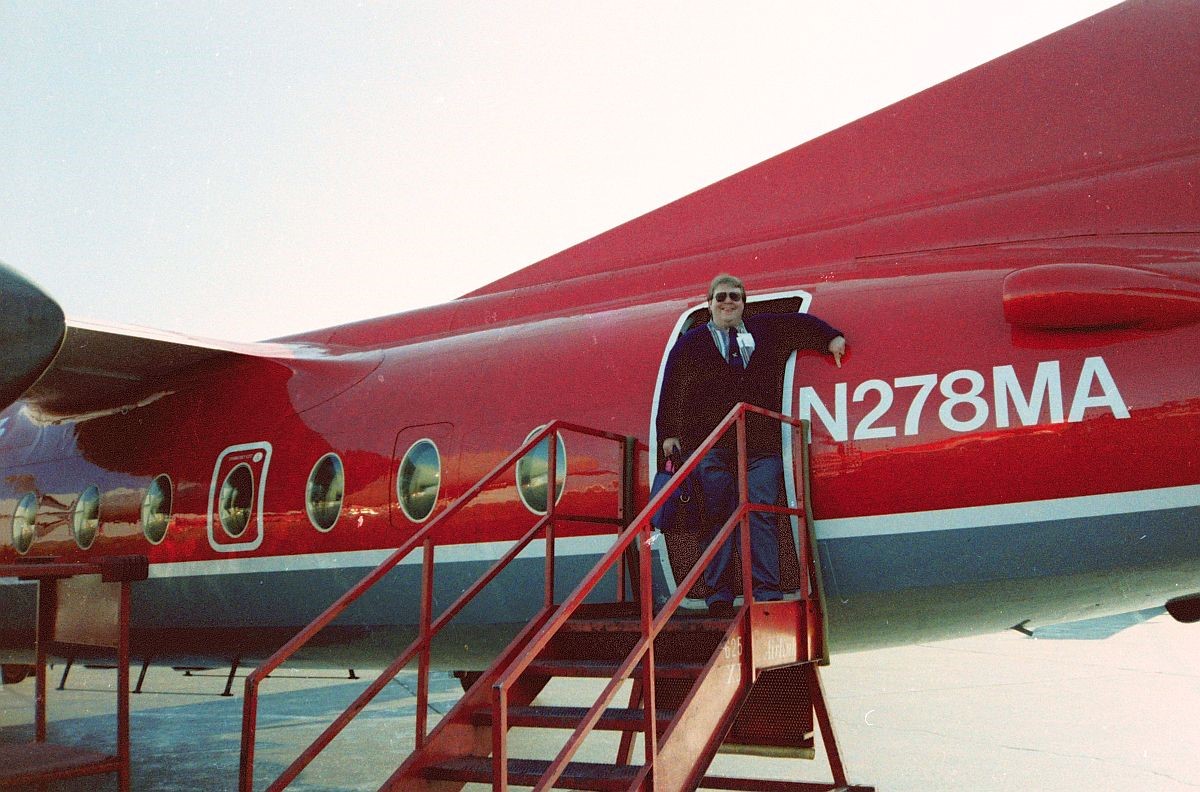
I asked one of the Mesaba Agents to take a picture of me pointing to the tail number. Such a nerd!
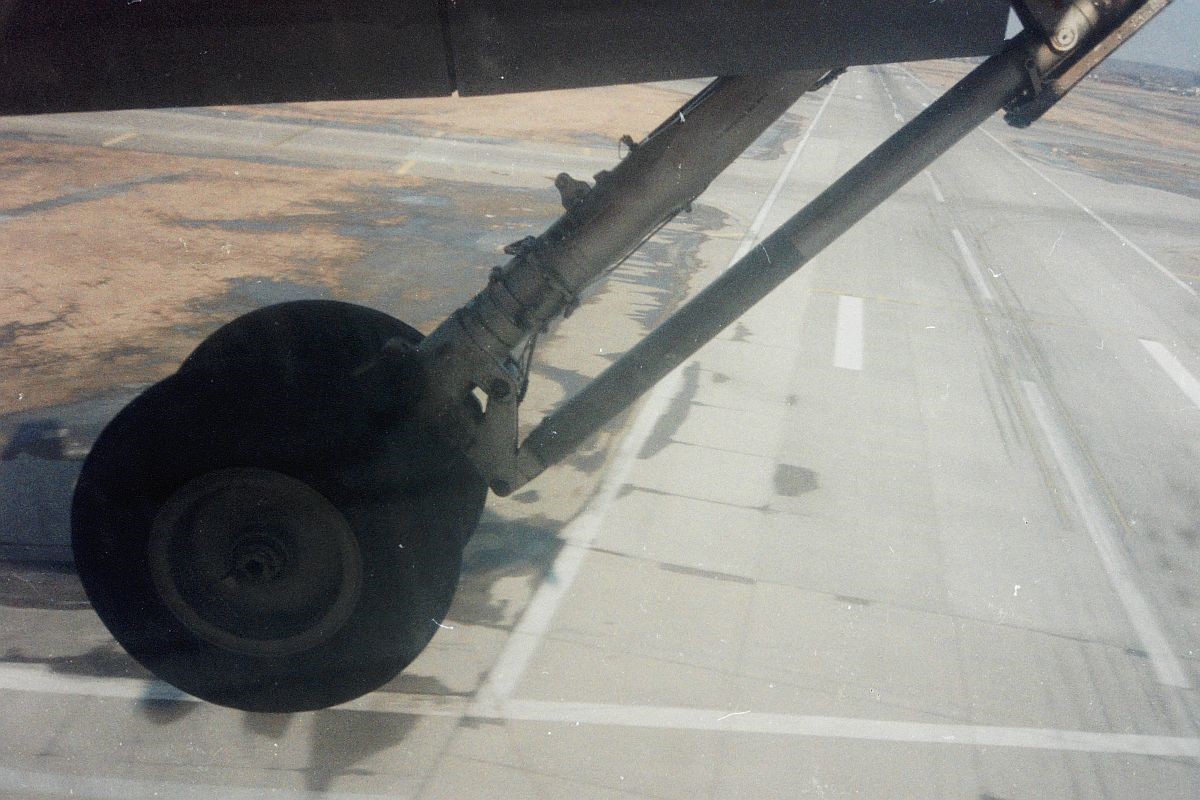
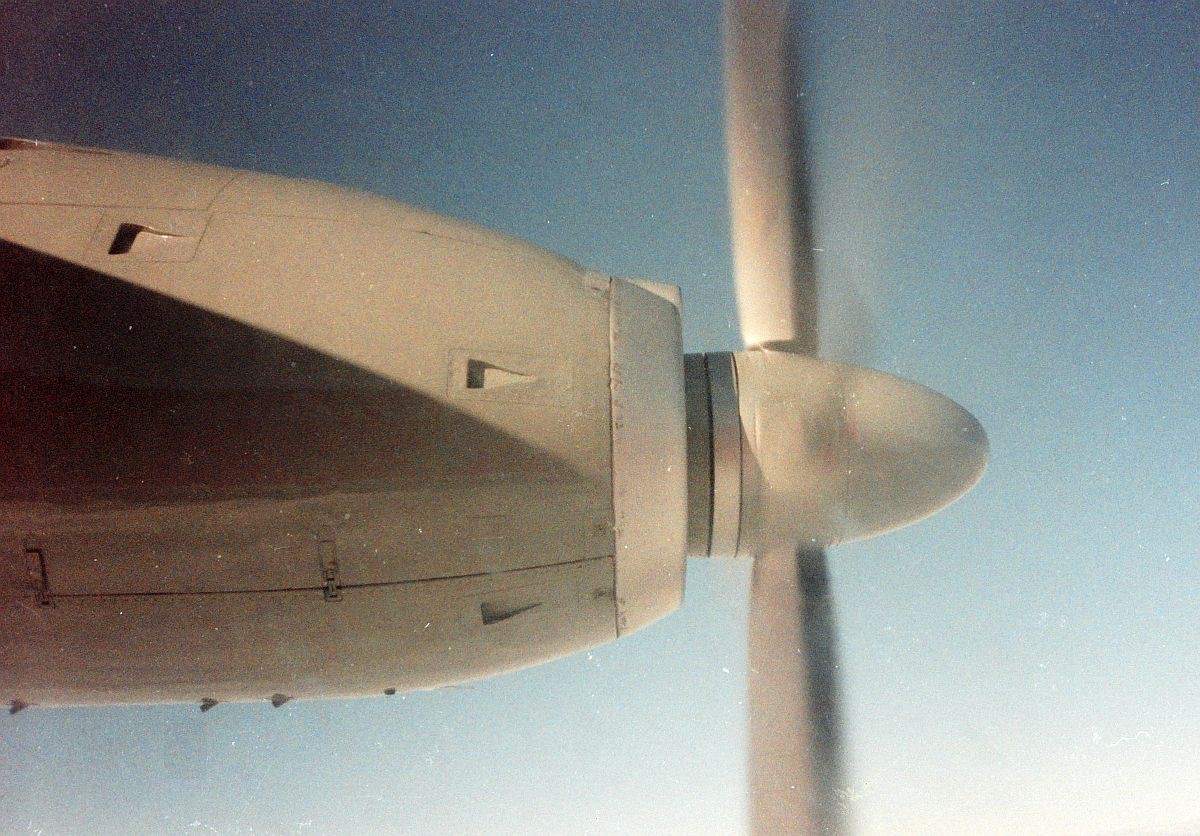
The best place to watch the landing gear retract is right next to the engine. Here we are airborne off of Runway 29R.
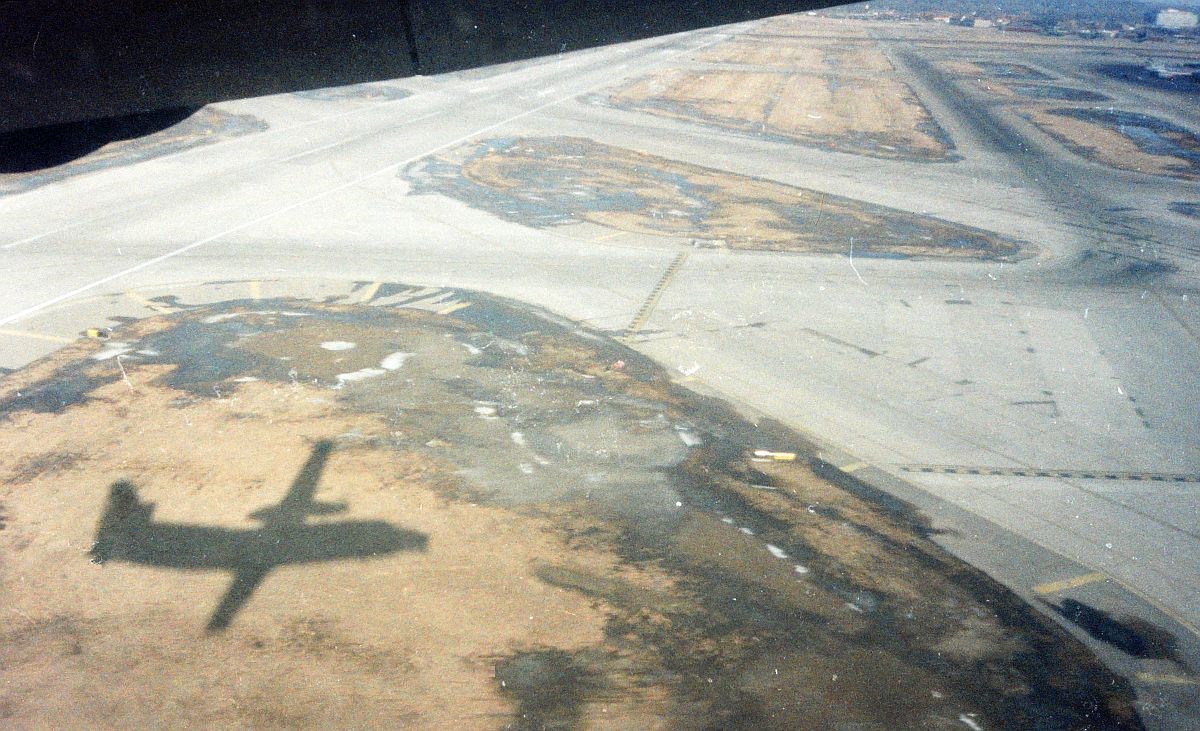
Our shadow as we climb skyward.
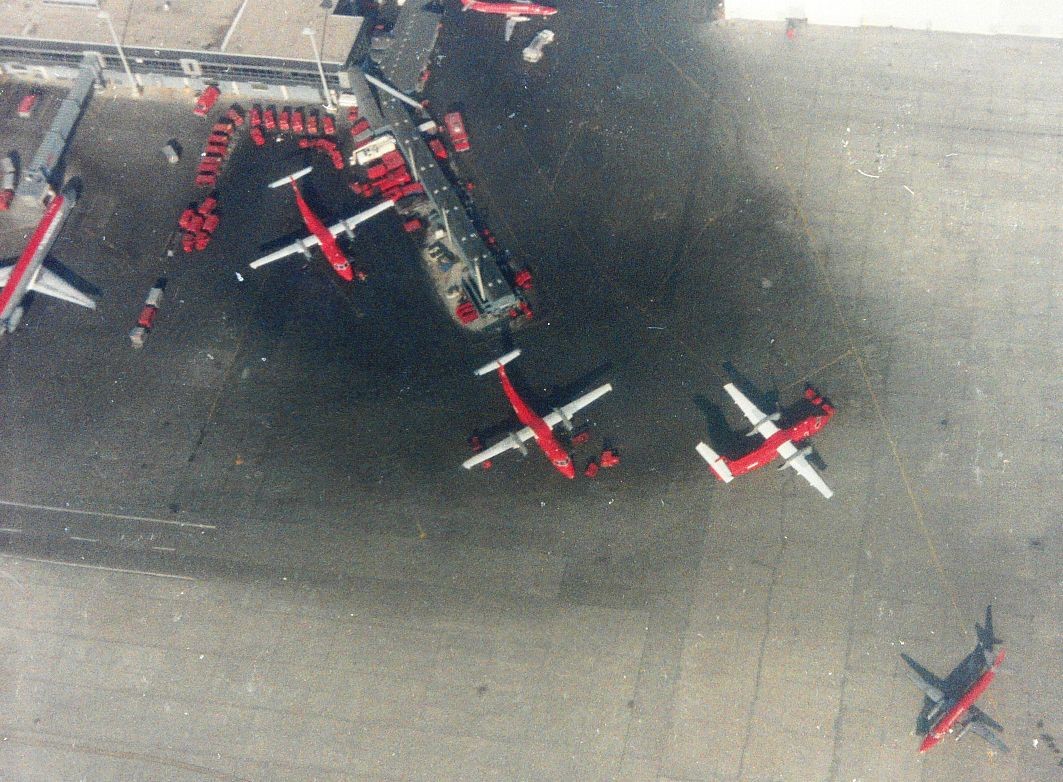
Where we were just parked. Gosh, we were climbing like crazy!
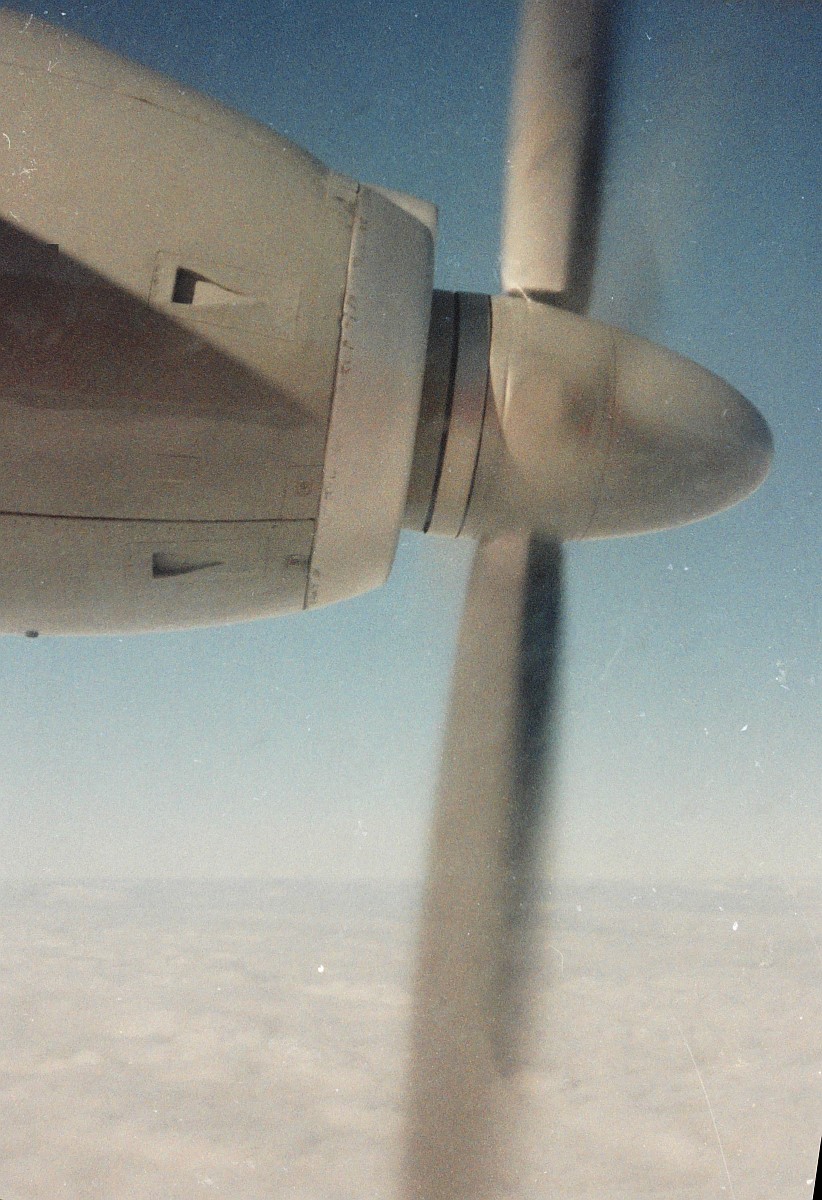
Props buzzing along in cruise pitch enroute to C-WAY.
Initiating our descent and heading back down into the clouds.
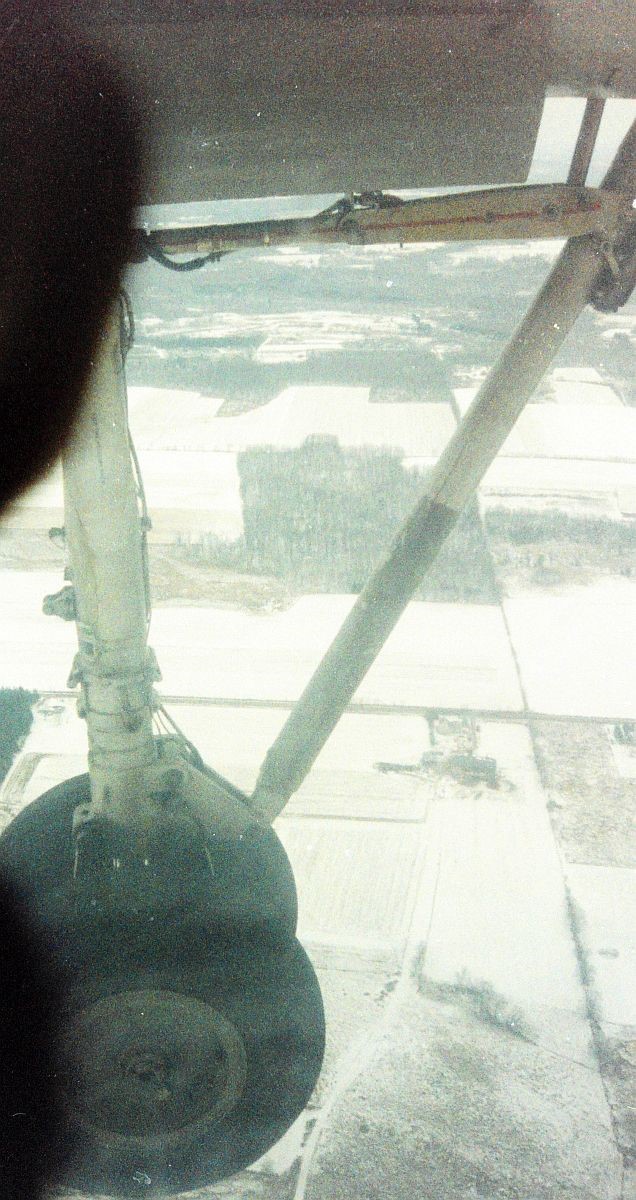
Gear down for landing in snowy Central Wisconsin. Oops, my sweater sleeve got in the way of my lens.
After a quick turn, it’s time to climb back aboard old N278MA and return to the Twin Cities.
United Feeder Service (originally Air Wisconsin) British Aerospace ATP, N856AW awaiting passengers for the trip back to Chicago O’Hare.
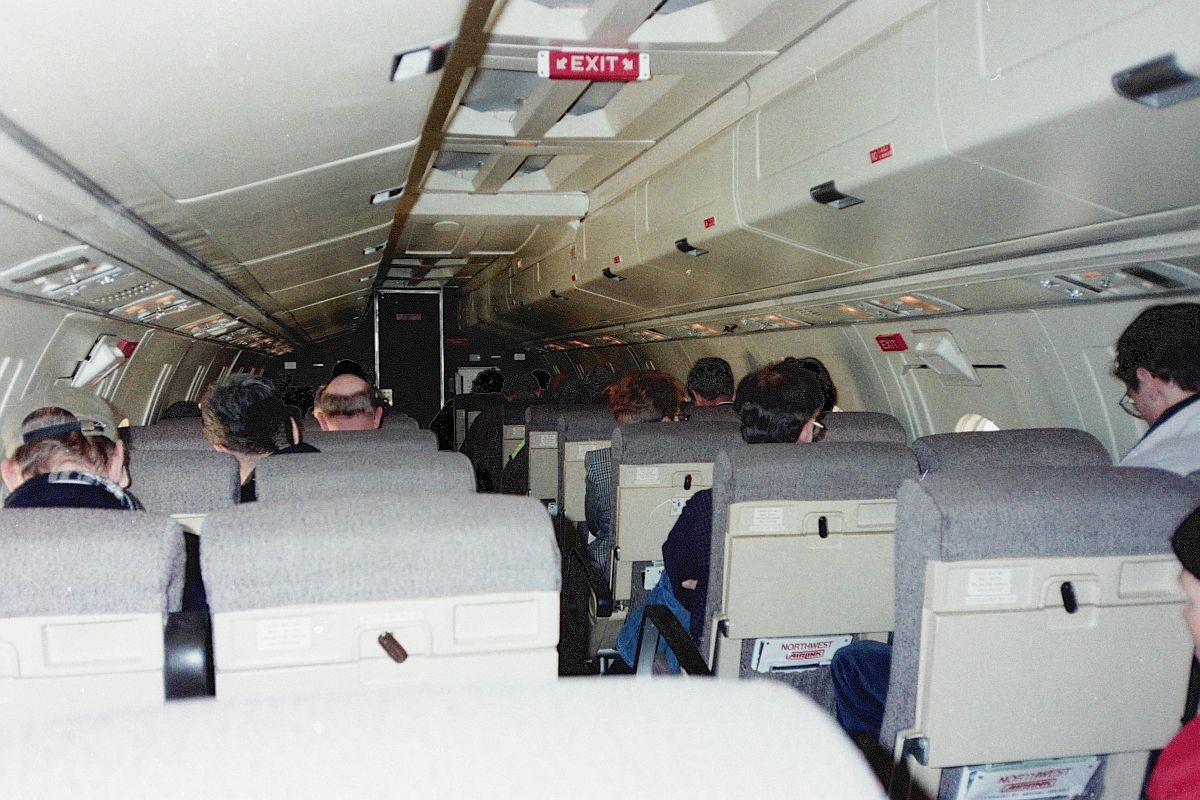
Back onboard to Minneapolis/St. Paul. Looking at this interior, it’s hard to believe this airplane is 30 years old.
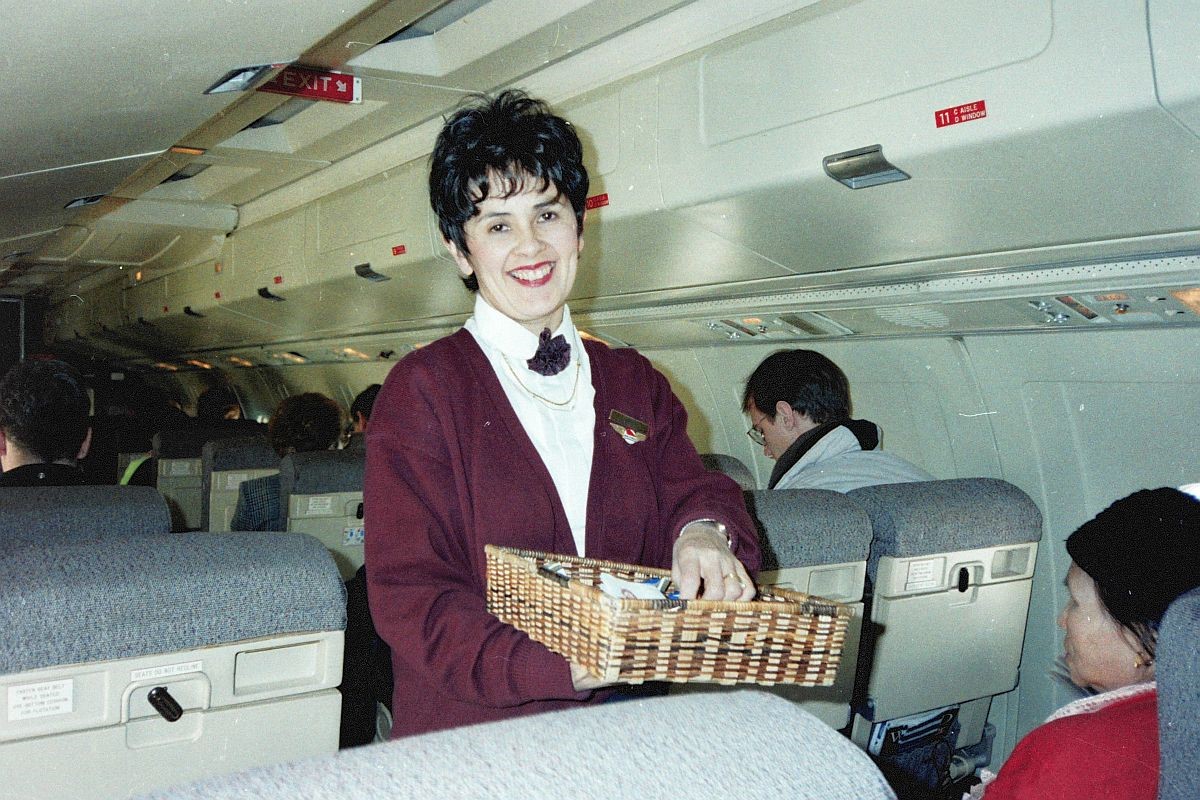
Penny Sandahl, our very attentive flight attendant. Penny said she would make sure I knew about this aircraft’s last revenue flight. She made good on her promise and I’ll write about that in Part Two of this adventure.
Back in the Twin Cities, mission accomplished! Now I had to get over to the other side of the airport for my ride back to Rockford.

Stay tuned for Part Two.

Continue Reading 5 Comments

F-27,Fokker,Friendship

The Fokker F.27 Friendship

By Robert G. Waldvogel

Fokker designed the F.27 Friendship as a high-performance and capacity, next-generation Douglas DC-3 replacement.

Having undertaken a refurbishment of that very aircraft after World War II, it converted military C-47s into civil sector-applicable airliners, whose experience enabled it to combine the high wing of its own F.VIIb/3m Tri-motor with the all-metal construction of its Ford counterpart.

The resulting F.27-200, the culmination of design features that the majority of surveyed carriers believed necessary in such an aircraft, offered a circular-section fuselage with a forward baggage and cargo compartment, oval passenger windows, and an aft, left boarding door, giving it a 77-foot, 3.5-inch overall length. The pressurized cabin had a 40-passenger capacity in a four-abreast arrangement.

The high, straight wing, with a 95.2-foot span and a 753.5-square-foot area, initially featured double-slotted trailing edge Fowler flaps, but later reverted to single ones, to provide short-field capability, enabling it to serve the small, ill-equipped airports that would, to a significant extent, comprise its operational realm.

Power, generated by two 2,020-hp Rolls Royce RDa.7Dart 528 engines, endowed it with a 45,000-pound gross weight, a 300-mph speed, and a maximum, 10,300-pound payload range of 1,285 miles.

Two static and two flight test airframes were constructed after receipt of Dutch government backing. The first prototype, powered by lower-rated, 1,540-hp RDa.6 Dart 507s and the originally intended double-slotted high-lift devices, took to the sky on November 24, 1955. It was not initially pressurized.

The three-foot longer second aircraft, accommodating 36, offered 1,720-hp RDa.6 Dart 511s.

The initial F.27-100 production version, first flying on March 23, 1958, was inaugurated into service by Aer Lingus nine months later, on December 15.

Integral to the program’s success was the April 1956 license-manufacture agreement with the Fairchild Engine and Airplane Company in the US, which later became Fairchild-Hiller. Because most of the US local service carriers operated antiquated DC-3s, the agreement was seen as an opportunity to replace a significant number of aircraft.

The resulting Fairchild F-27, which first flew from Hagerstown, Maryland, on April 12, 1958, incorporated a lengthened nose for weather radar installation, an increased fuel capacity, and seating for 40, all of which were subsequently applied to its Fokker counterpart.

After it was granted its FAA type certificate on July 16, it was placed into service by West Coast Airlines two months later, on September 27 actually beating the Fokker F.27-100 into service!

Aside from the subsequent, already described, hot-and-high F.27-200, there were several other variants, including the F.27-300 with a port-side cargo door and a strengthened cabin floor; the F-27B, the Fairchild equivalent of it; the F.27-400, a combi version; and the F.27-500, the first to feature a fuselage stretch.

The latter, sparked by Air France’s Postale de Nuit night airmail service and thus equipped with an in-cabin sorting system, retained the F.27-300’s cargo door, but introduced a 4.11-foot longer fuselage for 48 passengers and 2,230-hp RDa.7 Dart 532s. It first flew on November 15, 1967.

Fairchild-Hiller’s own version, The FH-227, with an even greater, six-foot fuselage stretch, was powered by Dart 532-7s and increased the F.27-500’s maximum passenger capacity from 56 to 60. It had a 43,500-pound gross weight. Later versions of the FH-227 had an increase in gross weight to 45,500 pounds.

Despite the difficulty foreign aircraft manufacturers usually had in making inroads into the US market, Fokker, because of its optimum payload and performance turboprop design, and its Fairchild agreement, was very successful.

US local service F.27 operators included West Coast, Piedmont, Bonanza, Pacific, and Ozark. Trans-Pacific Airlines, which was later renamed Aloha and competed with Hawaiian Airlines on virtually the same inter-island network, replaced its piston Convair 340s with Fairchild F-27 turboprops in the summer of 1959, increasing its traffic share from 30 to 43 percent in the process.

Fairchild Hiller’s Longer-fuselage FH-227 initial operators included Mohawk, Northeast, Ozark, Piedmont and Paraense-Brazil.

As the western world’s best-selling turboprop twin in its class, the aircraft achieved an impressive production run—586 Fokker F.27s, 128 Fairchild F-27s, and 78 Fairchild-Hiller FH-227s.

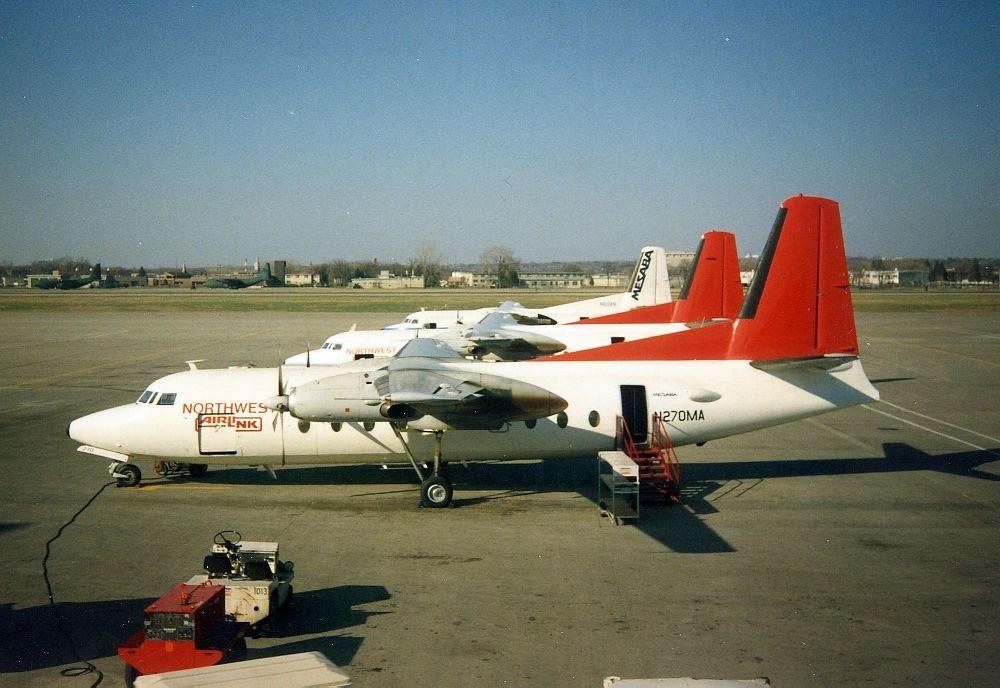
Fokker F.27-200 Friendship
Seen in the colors of Mesaba/Northwest Airlink at Minneapolis/St. Paul, MN in April 1990.
Gary C. Orlando Photo.
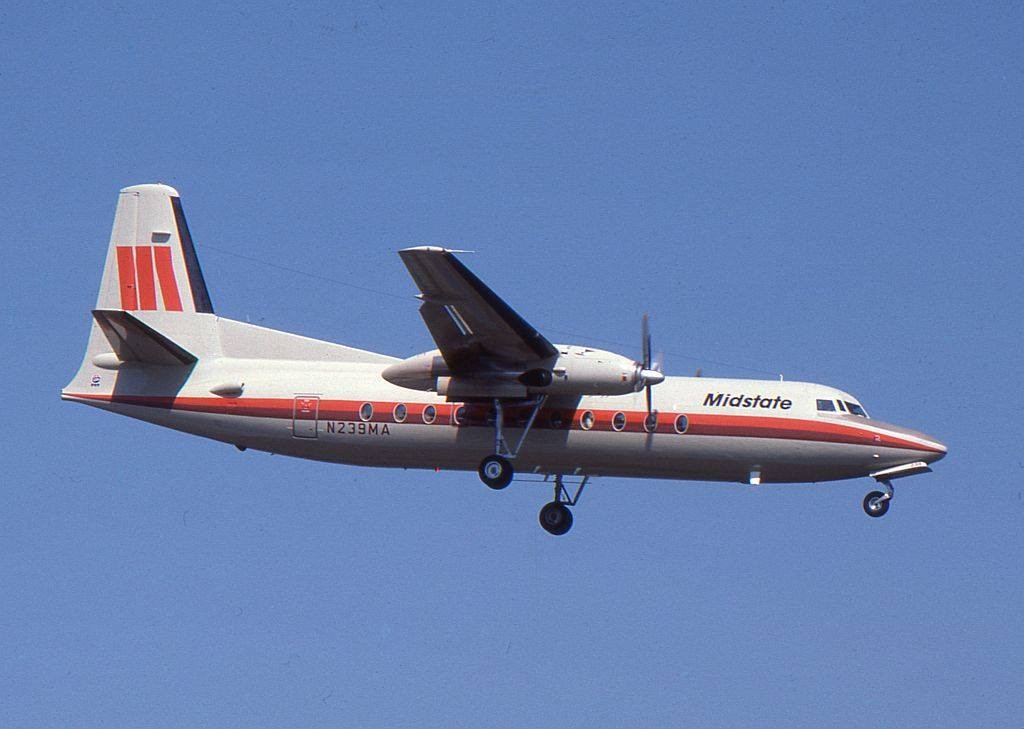
The Stretched Fokker F.27-500 series
Seen here in the colors of Midstate Airlines.
Pictured landing at Chicago O’Hare Airport, IL August of 1984.
Ronald Kluk Photo.
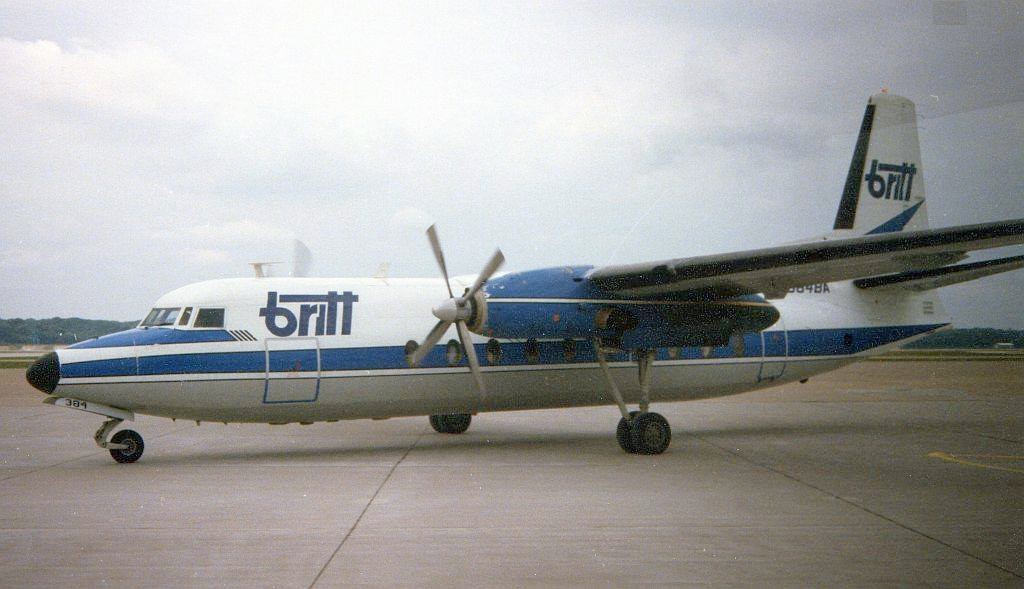
The Fairchild F-27F, N384BA.
This particular aircraft was originally delivered to Scott Paper Company as a corporate version.
Seen here in Moline, IL flown by Britt Airways but wearing the Scott Paper colors.
Gary C. Orlando Photo.
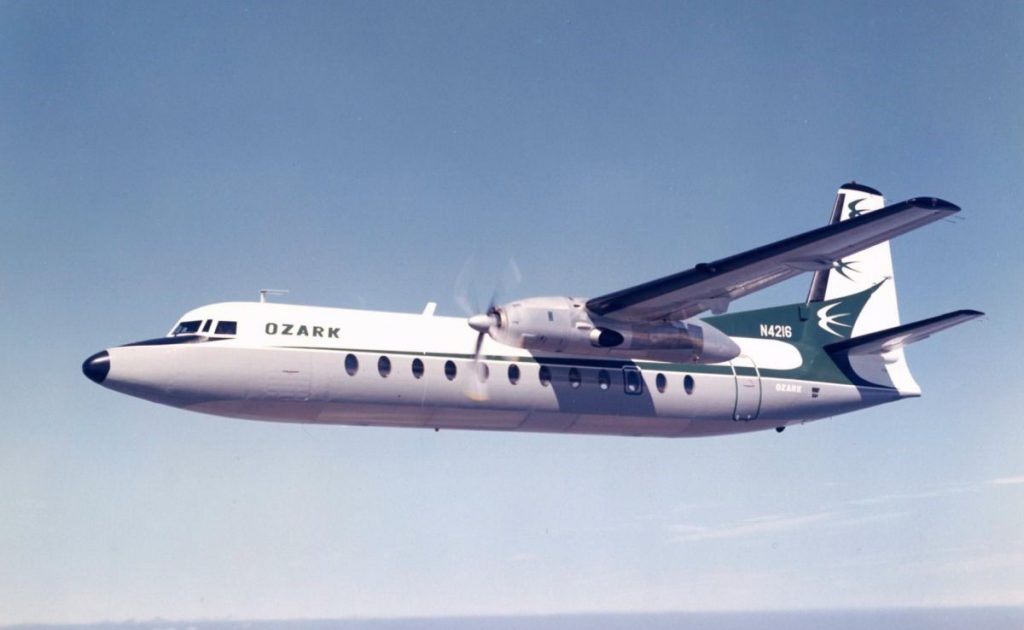
The ultimate fuselage stretch: The Fairchild-Hiller FH-227
Ozark Air Lines FH-227, N4216.
Photo Courtesy Fairchild Hiller Gary C. Orlando Collection.

Continue Reading No Comments

World Airline Historical Society, Inc.
PO Box 13693, Tampa, FL 33681-3693 USA
Contact Us

Archives

Copyright © 1975-2025 World Airline Historical Society, Inc.

Read our Privacy Policy