Air Cortez,airline pilot,F.27,F27,Fokker,Furlough,Pilgrim Airlines,Rolls-Royce
Turboprops, Round Six: Rolls-Royce
By Ellis M. Chernoff
It turns out 1984 still had more in store for me. Following the sudden shutdown of ConnectAir, I needed to find employment quickly.
Pilgrim Airlines in New Groton, CT, was looking to hire a captain, and I held a type rating in the F.27. I got an airline ticket to New York La Guardia Airport, where a pass was waiting for me at the Pilgrim Airlines ticket counter for a ride to Groton-New London, CT. This was my first flight on a Twin Otter.
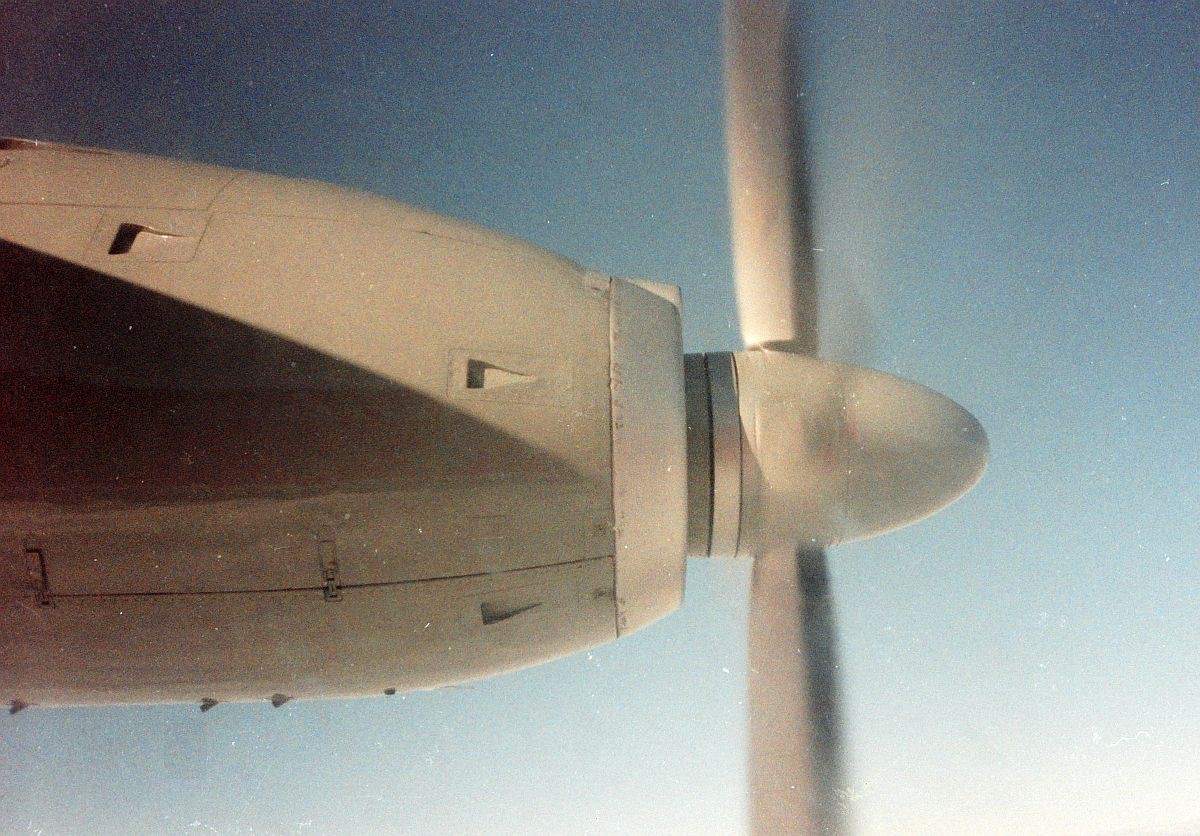
In addition to the de Havilland DHC-6-100 fleet, Pilgrim also operated several early production Fokker F27-100 aircraft. The cockpits of these were different than the Fairchilds I had been flying, but that was of little concern. Also, the Rolls-Royce RDa-6 Darts were lower power than the RDa-7 versions I had been operating. Neither was an immediate issue since my type rating covered all versions.
When I arrived, the chief pilot was out flying the line. I was invited to self-tour the maintenance hangar and anything else I wanted to see while I waited for the evening flights to arrive, when I would be able to meet the chief pilot. I was impressed with the maintenance department; everything looked well-maintained and professionally run. However, as each flight arrived at the end of the day, each crew removed their insignia and proceeded to the airport terminal bar. Chart bags were lined up at the entrance, and all of the pilots gathered for drinks and hangar talk. This included the chief pilot. Clearly, this was a daily ritual. It struck me as less than professional for a whole bunch of pilots to hang out in the airport terminal bar drinking in uniform, albeit sans rank insignia.
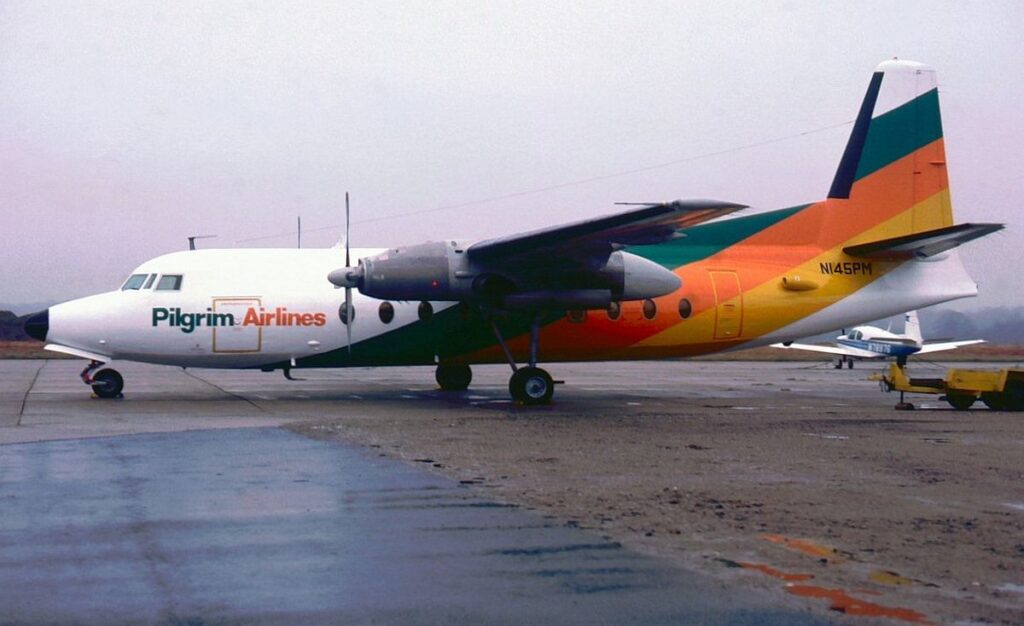
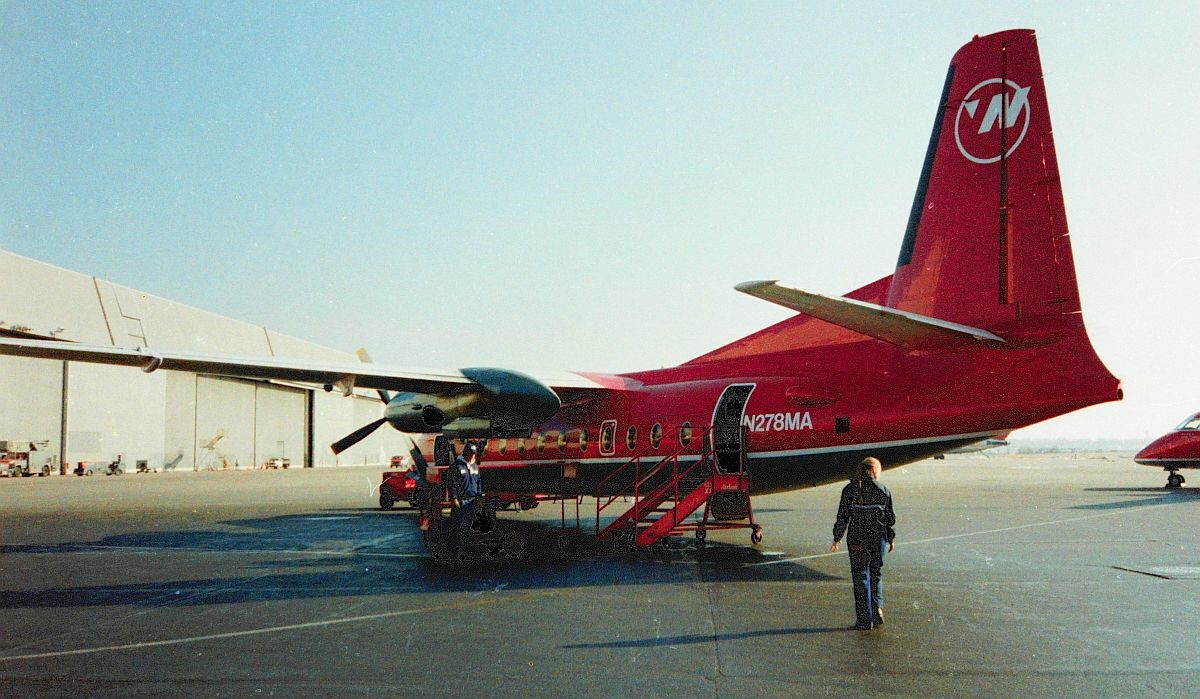
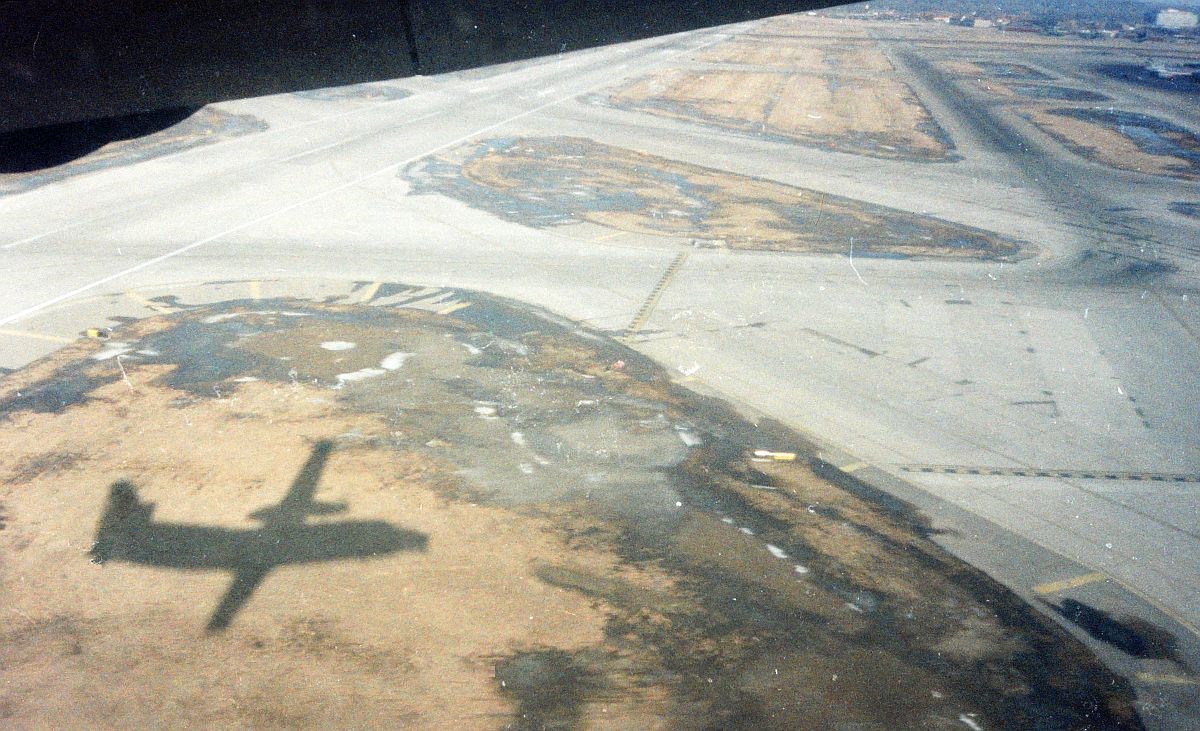
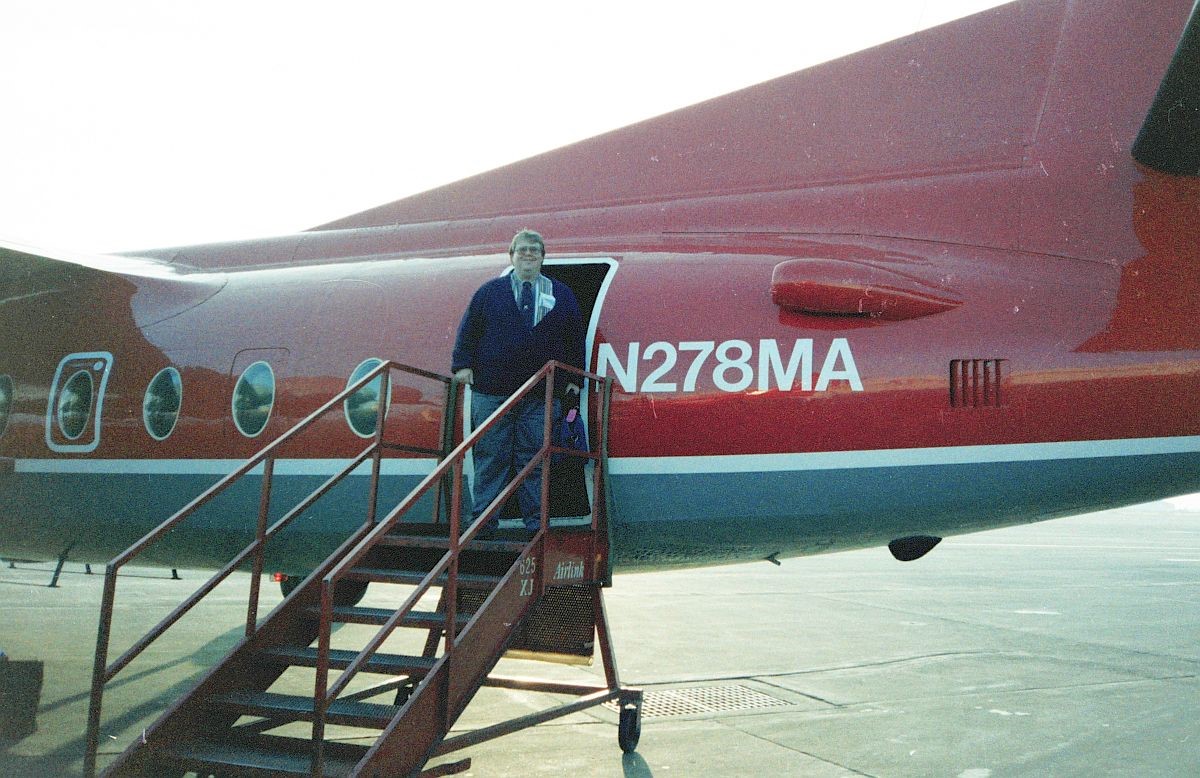
Ellis M Chernoff Photo.
The following morning, I had my interview with the chief pilot and rode jumpseat on a round-trip flight to Washington National Airport. The flight operation was professional enough, but the overall impression I got was that this was a loose operation that I didn’t care to move all the way across the country to join. I respectfully declined the employment offer and got a pass to return to California.
Soon after I arrived home, another F.27 position presented itself. This was with Air Cortez International. I had been familiar with this firm when they were operating Beech 18s and other light twins out of Ontario Airport. However, now they were operating from Las Vegas. When I went to interview with the Director of Operations, I was surprised that they were looking to hire a captain off the street. They had planes and first officers, but most of their captains were gone. The other thing that had changed was that while they set up operations in Las Vegas to fly tourists over the Grand Canyon, that business had dried up. The planes were stripped of their passenger accommodations and were now flying cargo on behalf of UPS.
I had many questions about their operations specifications, procedures, and manuals, but those were deflected and deferred until I met with the chief pilot who was flying the line out of Dallas. I was given a ticket to go there, and the following morning, I met the guy who would accompany me on a scheduled run to San Antonio while he gave me my line check-ride. I was shocked to find that there were at least four different printed checklists in the cockpit. All different.
In preparation for the walk-around inspection of the plane and preparation of the takeoff performance, I asked about the quantity of water-methanol on board. The chief pilot didn’t have an answer to that question. In all of my prior F-27 flying, water-methanol was used for nearly every takeoff.
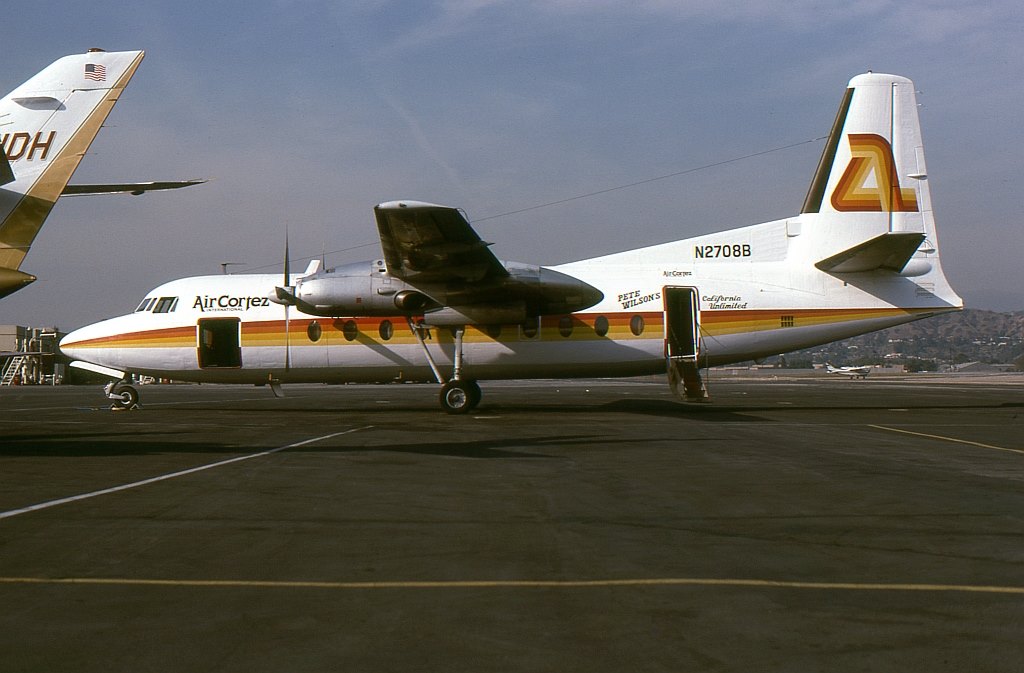
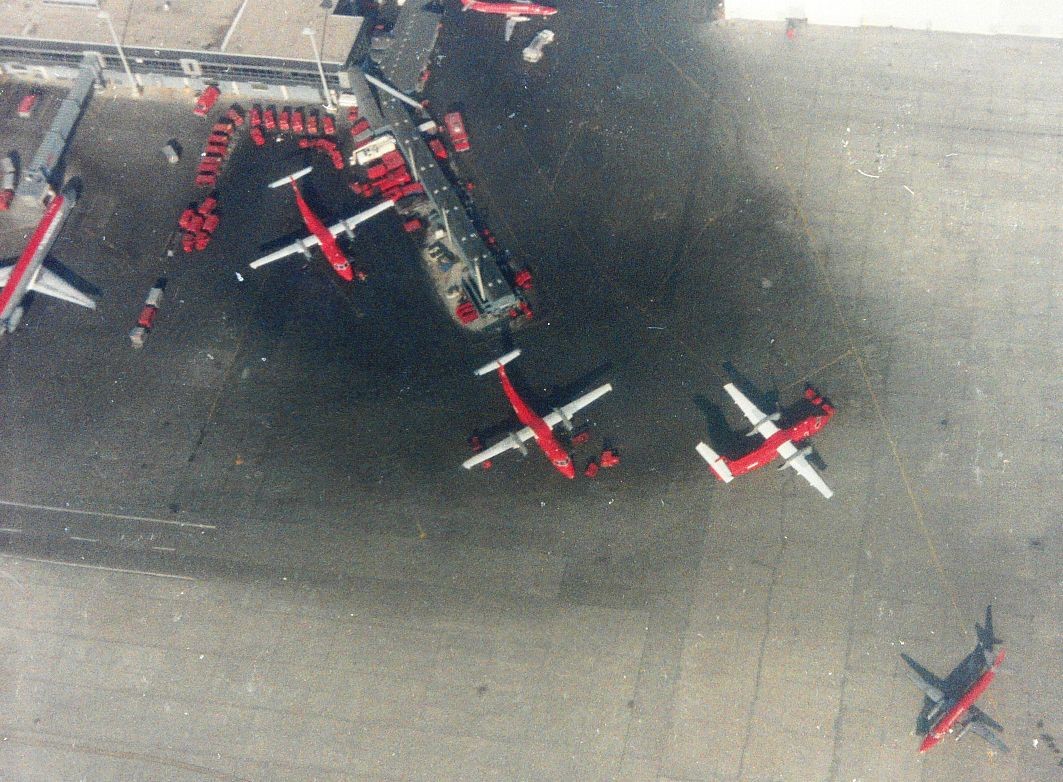
Photographer: J. Kauppinen. Gary C. Orlando Slide Collection.
The cargo was loaded by UPS personnel, and I was given the total weight of the cargo loaded. However, there was no information about how it was distributed, and the weight and balance document had only a single place to enter this vital information. So it was assumed that it would be evenly distributed. But this is contrary to acceptable preflight preparation. As expected, the acceleration down the runway was sluggish, but even more than I anticipated with the un-augmented power. The climb performance was equally poor. Arriving in San Antonio, I requested that UPS weigh the offloaded cargo as I suspected that it weighed more than they had documented out of Dallas. UPS refused to do the offload scaled weighing.
The return flight in the evening was similar to what was experienced in the morning, although I paid closer attention to the cargo weighing and loading. At the end of the day, I was signed off and good to assume regular scheduled flights for the remainder of the week. The next morning, I was met by a first officer who also didn’t seem to know anything about water-methanol injection. He conducted the preflight inspection while I supervised the cargo loading. The flight to San Antonio was routine. However, upon arriving at the ramp, there were several men in suits to meet this flight.
Even before the props had come to a stop, they had opened the cargo door and came into the cockpit, making demands. I told them they could exit the plane, and I would meet with them as soon as I had completed the post-flight checklists and briefed my first officer. These men were an FAA SWAT team of inspectors who demanded the flight manifest, maintenance documents, checklists, and, of course, my certificates. Evidently, this sting operation was weeks in the planning, and I was unlucky enough to be the Pilot In Command today. They claimed the Air Cortez checklists, weight and balance procedures, cargo tie-down hardware, and more were not approved, and the intention was to execute an emergency revocation of the company’s operating certificate. No wonder Air Cortez was in such a hurry to hire me and send me out on the line. Even I could see that the operation was barely adequate as a FAR-135 operation with light twins but totally inadequate as a FAR-121 carrier.
My first officer and I went to the hotel dayroom, and I started my round of phone calls. Thankfully, I had a lot of prior experience with the FAA and compliance. My honesty and credibility saved my pilot’s license. Usually, the FAA cannot take action against a company without also taking legal action against a pilot. But today, I obtained a compromise. The FAA would issue a ferry permit and allow me to return the plane empty to Dallas. It was an exhausting day, and the next day, I had an airline ticket back home.
The date was December 7; I was now on furlough. So ended 1984.